Walmart To Bring Digital Price Labels to All U.S. Stores by the End of 2026

Aashir Ashfaq
5 Min Read
Walmart To Bring Digital Price Labels to All U.S. Stores by the End of 2026
Credit: Walmart

Walmart is betting big on digital price labels, promising a faster, leaner, and more data driven store experience in every U.S. location by the end of 2026.

Walmart Goes All In on Digital Price Tags

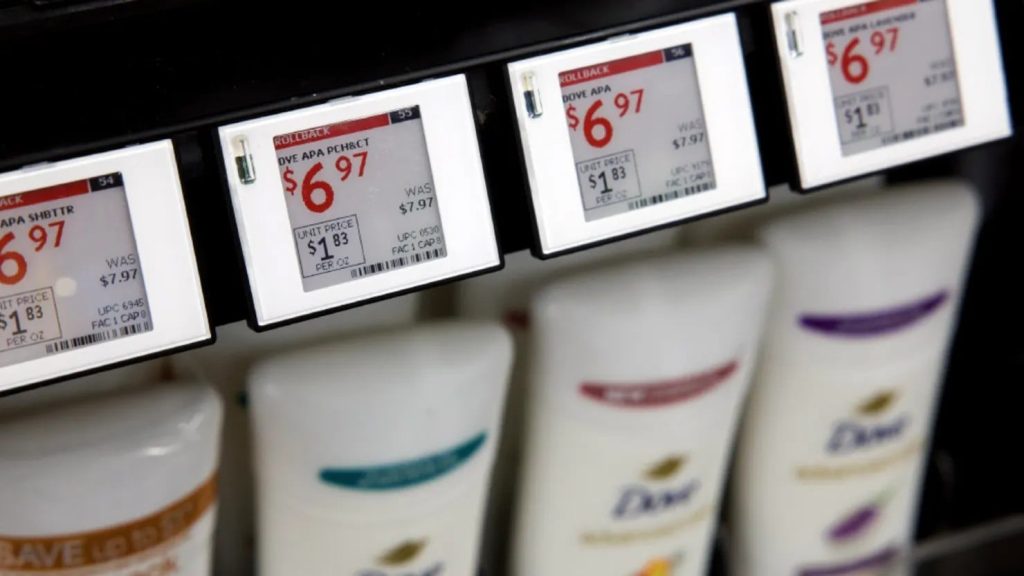
Walmart executives confirmed that digital price tags, also known as digital shelf labels (DSLs), will be installed in every U.S. store by the end of 2026, replacing most traditional paper tags. The rollout builds on a multi year deployment of electronic labels supplied by VusionGroup, whose technology is already live in roughly 2,300 Walmart stores.

The plan means that across more than 4,600 U.S. locations, millions of shelf edge prices will be updated electronically rather than by hand. For a retailer that processes tens of thousands of price changes a week per supercenter, the shift is framed internally as game changing for store level execution.

Efficiency Gains on the Store Floor

Walmart employees in early adopter stores describe dramatic time savings from DSLs. One electronics team lead in Ohio said the digital labels cut the time she spends on pricing tasks by about 75%, freeing her up to be on the sales floor helping customers instead of swapping paper tags.

Because prices now update centrally, teams avoid the rush of weekly manual markdowns and the risk of mismatched shelf and register prices. The labels also integrate with picking and fulfillment workflows: Walmart’s Spark delivery drivers can ping a product and trigger a flashing label to locate items more quickly in an aisle.

How the Tech Works Behind the Scenes

Walmart is deploying digital shelf labels from VusionGroup, which is supplying its EdgeSense and VusionCloud platforms across all 4,600 U.S. stores under a contract valued at around €1 billion. The system allows headquarters or store teams to push real time pricing and promotion changes directly to the shelf, managed centrally through the cloud.

These IoT enabled labels also support product geolocation and device to device communication, which can be used to guide workers, support inventory lookups, and synchronize in store and online offers. For Walmart, the combination of accurate prices, rapid changes, and better stock visibility is designed to reduce labor hours tied to routine tasks and cut down on pricing errors at checkout.

Lawmaker Scrutiny and Surge Pricing Concerns

As the rollout accelerates, the move has triggered scrutiny from lawmakers and consumer advocates who worry that digital labels could pave the way for surge pricing, frequent, algorithm driven price changes on everyday essentials. Some proposed state level bills would restrict or even ban DSLs in large grocery stores over concerns that shoppers could be blindsided by volatile pricing.

Walmart has pushed back on that narrative, not to introduce hidden or personalized price changes. The spokesperson said the tags are used to keep shelf prices aligned with advertised and online prices, ensure consistency across channels, and support clear promotions, with the same price available to every customer in a given store.

What it Means for Shoppers and Competitors

The primary driver here is operational efficiency, not dynamic pricing. Sean Turner, CTO of retail tech firm Swiftly, explained, “Digital shelf labels solve some very real operational headaches. They cut down on manual price changes, reduce checkout discrepancies, and make it easier to keep in-store and digital promotions aligned.”

For shoppers, the upside is clearer, more accurate pricing and, potentially, faster markdowns on perishables that might otherwise be wasted. For rivals like Kroger, which is also testing electronic shelf tags, Walmart’s nationwide rollout raises the stakes on store modernization, setting a new baseline for real time pricing infrastructure across U.S. grocery and mass retail.

TAGGED:
Share This Article