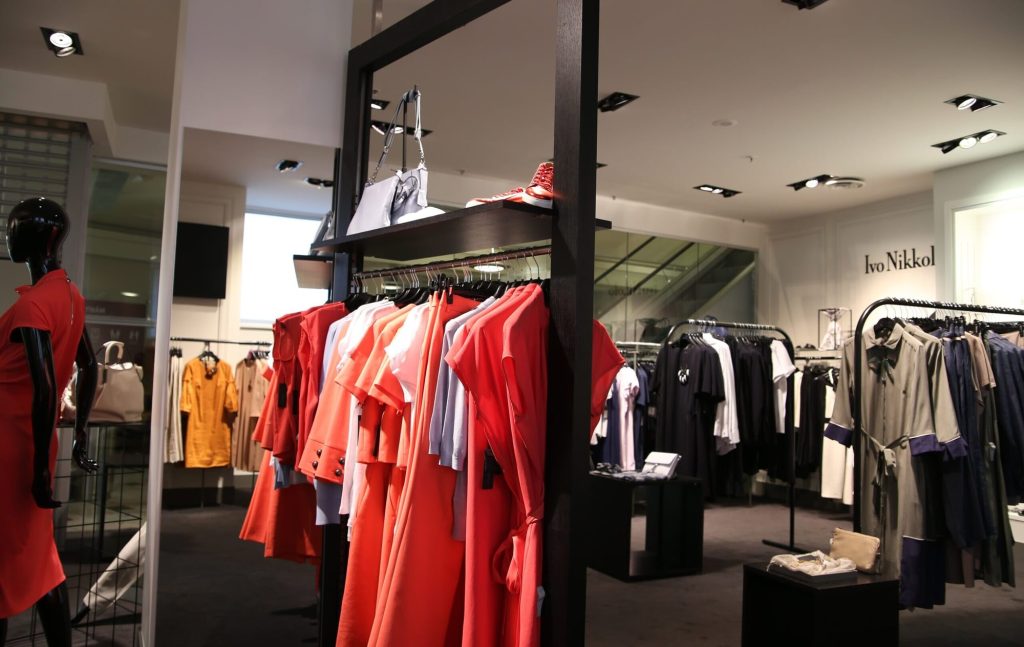
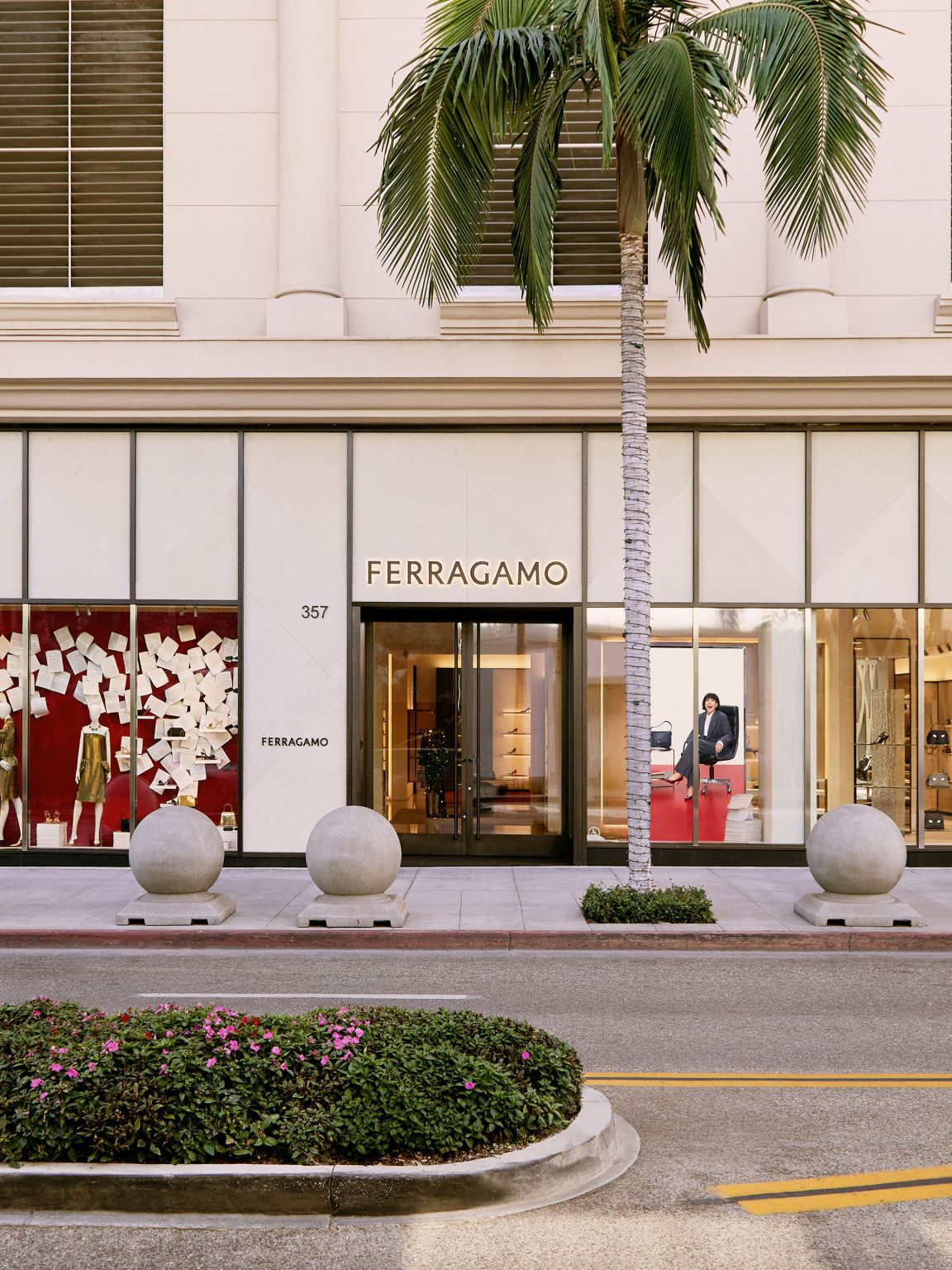
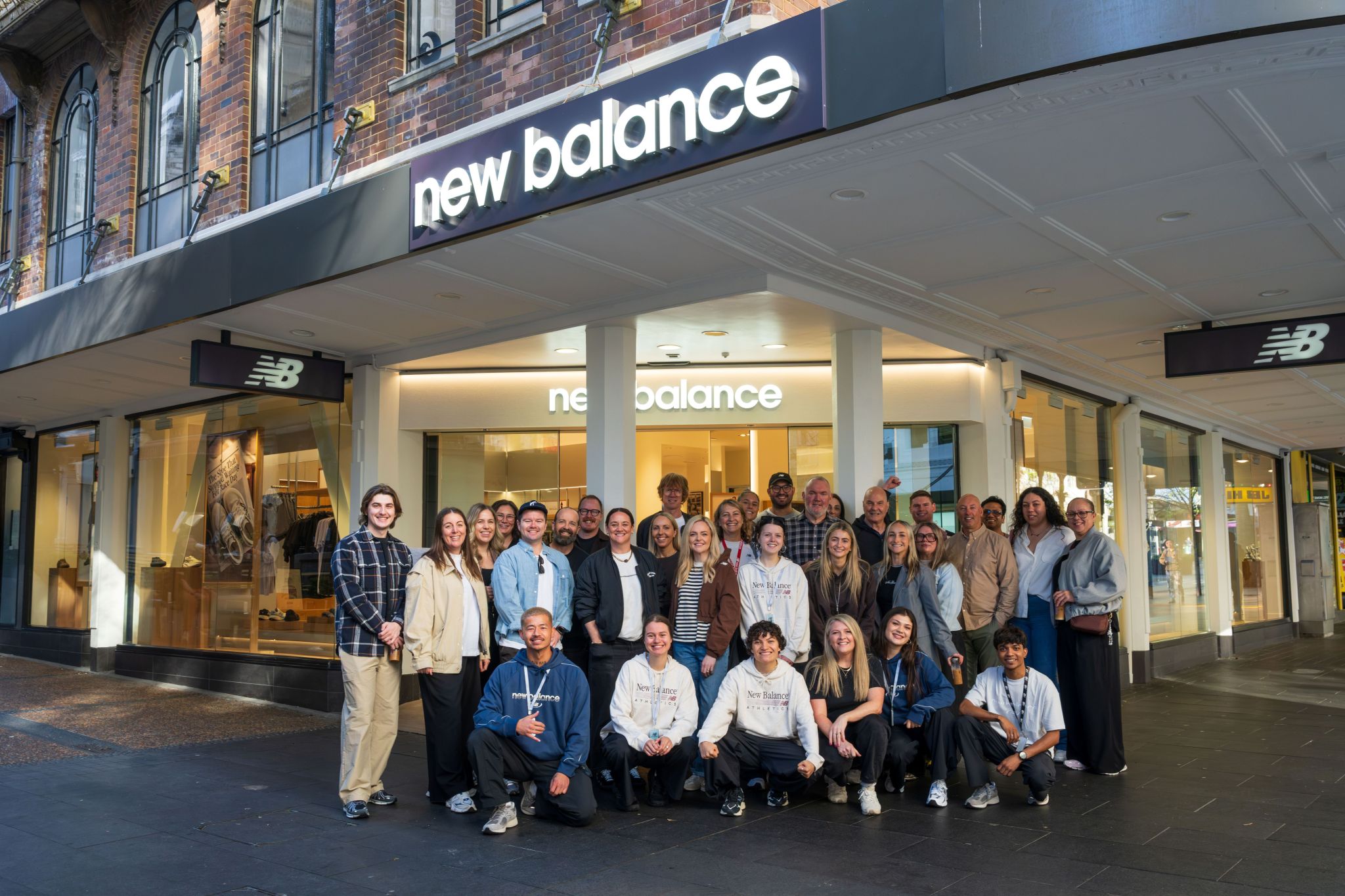
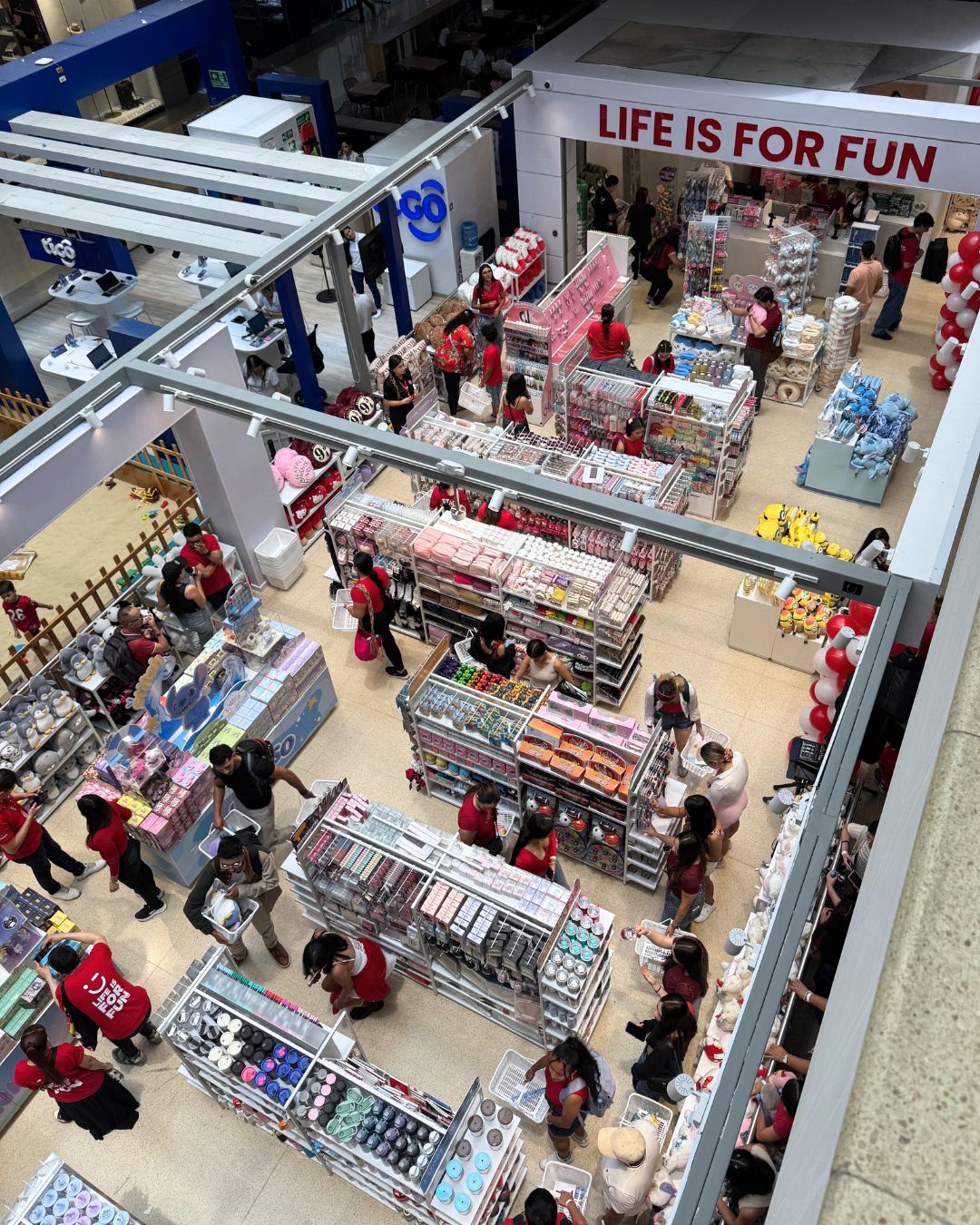
In the United States, retail theft is an increasing issue. Retail businesses lose billions of dollars annually to theft and shoplifting. Retailers, their staff, and their clients are all directly impacted by this revenue loss. From organised crime and cybercrime to staff theft and shoplifting, there are many different types of retail theft. Retail theft always hurts businesses, regardless of how it manifests.
“Retailers face a challenging environment combatting retail theft, which is plaguing the industry. The National Retail Federation reported a 26.5% increase in Organized Retail Crime (ORC) in 2022. A more disturbing trend is the increase in violence and aggression used to carry out these crimes. Executives from Walmart, CVS, and others testified before congress as well as the Senate Judiciary Committee to discuss organized retail crime, which occurs on average every three minutes. In just two minutes criminals abscond with $2,000 worth of merchandise,” said Cathal Walsh,…
Vice President, Physical Security and Chief Security Officer at Guidepost Solutions. Retail theft leads to a retailer losing profits from the potential sales that may have been generated by the stolen goods. Also, shops must allocate funds to initiatives that aim to reduce and prevent theft.
This may entail adding more security guards, setting up surveillance cameras, locking up items and putting in place sophisticated tagging systems and other anti-theft procedures. “Locking show cases are the standard “go-to” theft deterrent for retail stores, but they are a poison pill.
It is a well know secret that deploying locking show cases, to slow down theft, is shown to reduce sales of the products contained inside it, by over 25%,” Keith Carpentier, President & CEO, Qbuster technologies. There are other, less evident drawbacks, though.
To protect themselves against theft-related losses, for instance, shops frequently pay a premium. In order to pay for the expense of theft prevention measures, they might also be obliged to hike prices, which could damage customer loyalty. Also, people may shop elsewhere if they feel unsafe or uneasy in the retail setting…
Discussion
0 Comments
No comments yet
Start the conversation
Share your take on this story and help shape the discussion.
Sign in to join the discussion.