Hermès Builds a 6,200 m² Brick Workshop in Normandie

Aashir Ashfaq
5 Min Read
Hermès Builds a 6,200 m² Brick Workshop in Normandie
Credit: Lina Ghotmeh — Architecture

Lina Ghotmeh — Architecture has crafted the new Hermès Workshops in Normandie, France, as an ode to the hand: a building where the very act of construction mirrors the gestures, rhythms, and precision of the artisans working inside. Built in more than 500,000 local bricks laid brick by brick, the 6,200 m² leather goods site in Louviers turns craftsmanship into both subject and structure.

Craft as the Foundation of Architecture

From the project’s earliest sketches, Lina Ghotmeh treated craft not as something happening behind workshop doors, but as the foundation for the architecture itself. Her studio describes the building as marked by the power of the hand, where alignment and organicity meet to create a space that feels precise yet quietly human.

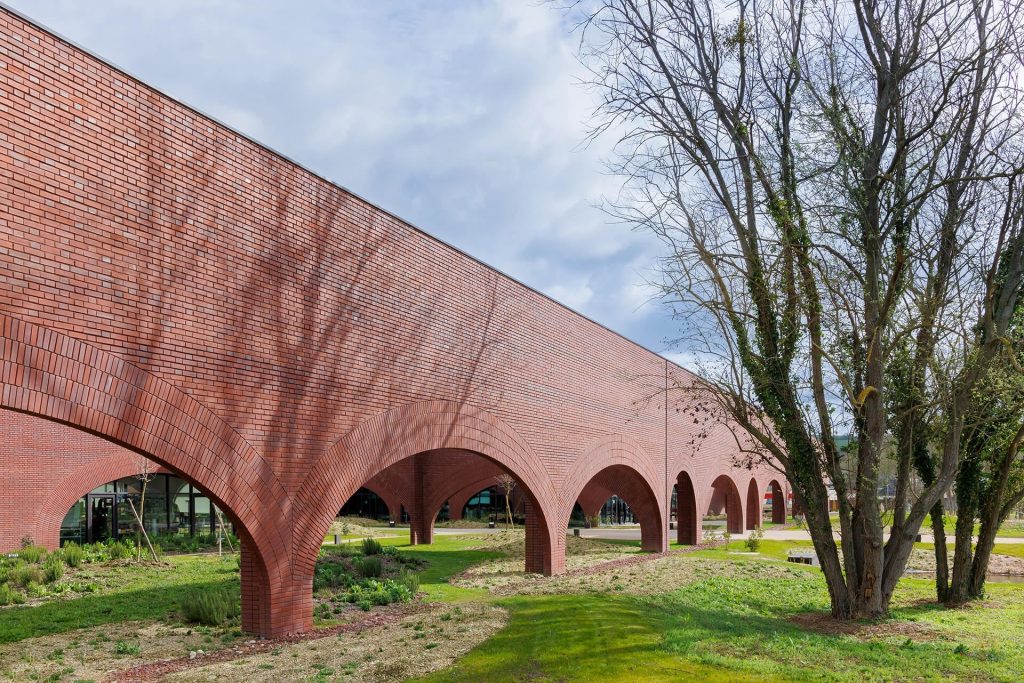
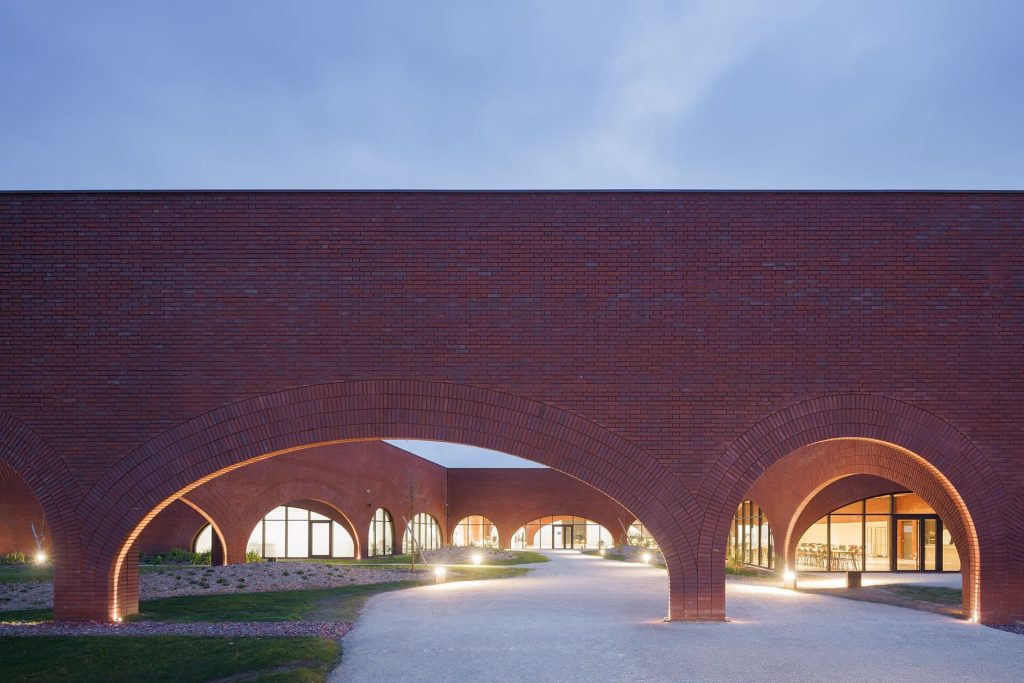
The design began with a reflection on the gesture of building and how it could echo the gestures of making: cutting, stitching, burnishing, and assembling leather goods. Large brick arches repeat in a 9 metre grid, a rhythm that recalls movement and daily routines while keeping spaces intimate and to a human scale.

Brick by Brick: A Living, Local Material

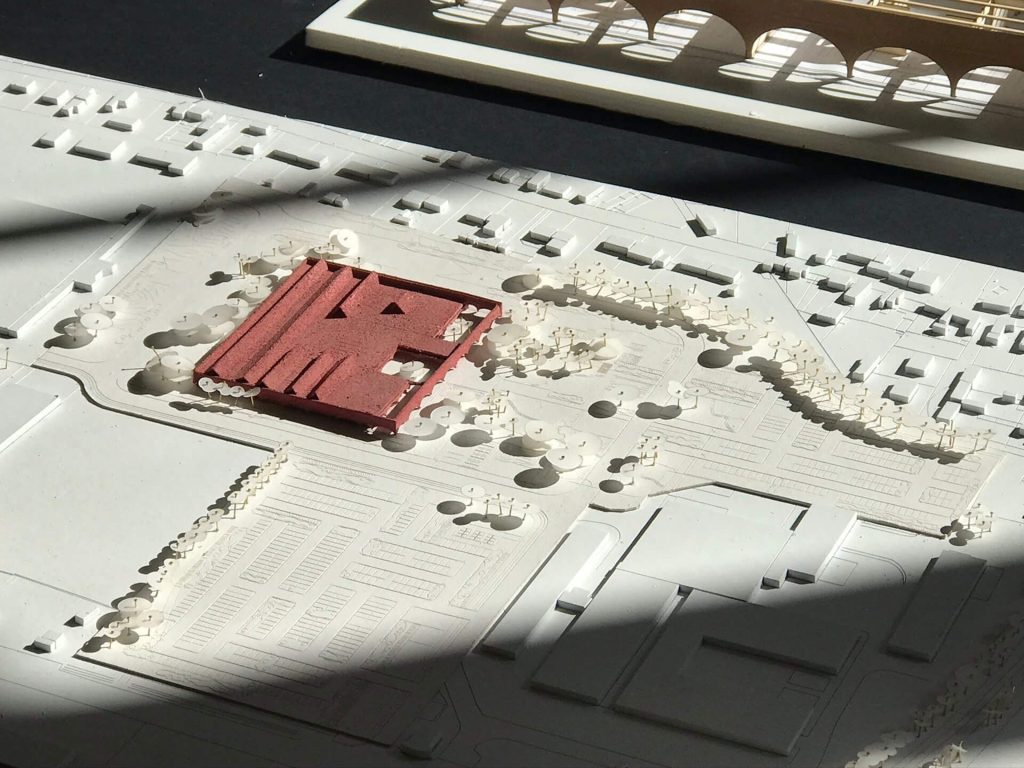
The Hermès Workshops stand on a former industrial brownfield, their low profile wrapped in sweeping brick arches that frame generous windows and courtyards. More than 500,000 “artisanal” bricks made from Normandie’s wet, clay rich earth, just 70 km from the site, root the building in its immediate landscape and brick making tradition.

As Ghotmeh explains, “As a manifest form of brick construction, the arch incarnates movement, and evokes the galops of a horse,” while the structure is “marked by the power of the hand, allowing simultaneously the specific and the universal.”

Spaces Shaped Around Artisans

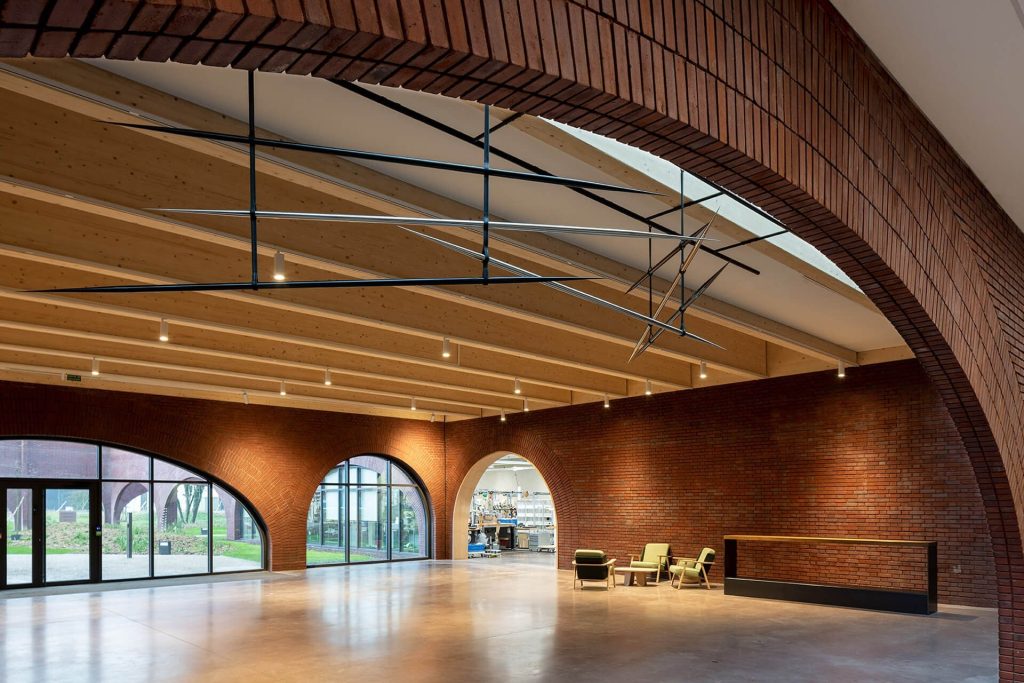
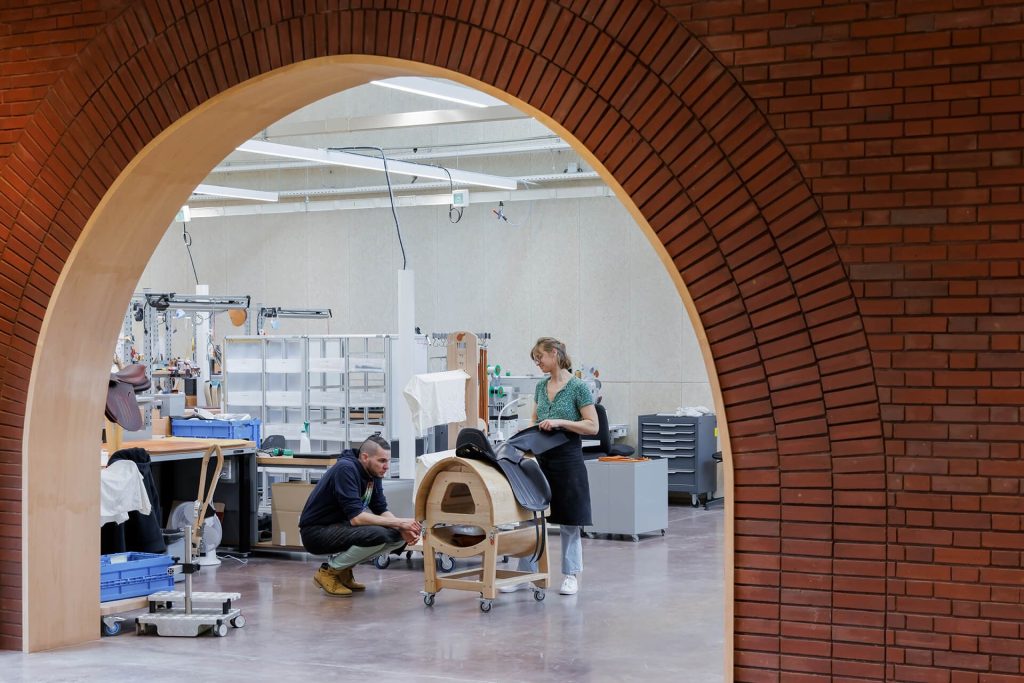
The Hermès building is conceived as a living space for artisans, with volumes arranged to follow the flow of leatherwork rather than a generic industrial grid. Brick crosswalls and archways structure the plan, while a low wood beamed ceiling and warm materials keep the scale intimate despite the 6,200 m² footprint.

Natural light is precisely calibrated: large arched bay windows and skylights deliver abundant, diffused illumination that reduces glare on detailed work and lessens reliance on artificial lighting. Views to planted courtyards and the surrounding landscape offer visual rest, reinforcing the idea that the artisans’ well being is integral to the building’s performance.

Energy Positive and Low Carbon by Design

The Hermès Workshops in Louviers are designed as an environmental prototype. The wood framed, brick building has been presented as the first industrial facility to reach E4C2, the highest level in France’s E+C low carbon, energy positive certification system. E4 indicates that the workshop generates more energy than it consumes.

Performance comes from design choices rather than add ons: optimal orientation, cross ventilation, and controlled natural light cut energy demands, while more than 2,300 m² of photovoltaic panels on the roof power a geothermal system with 13 probes drilled to 150 m depth. Rainwater harvesting contributes to the site’s high water needs, aligning with Hermès’ long term sustainability goals.

An Architecture that Tells Hermès’ Story

For Hermès, the Normandie workshop extends a network of leather-goods sites across France, but this one crystallises the house’s dual focus on craftsmanship and ecology. The building hosts around 260 artisans at full capacity, including the brand’s first equestrian workshop outside Paris, a key reason the arches were also imagined as a tribute to the gallop of a horse.

As Ghotmeh notes, “You can think of it as a museum, a cultural centre, a residence, or a factory — the main thing for me is that its architecture is virtuous and that it emanates beauty, that it can tell its environment, and especially the history of the Hermès house which settled there.” In Normandie, that vision becomes tangible: power, quite literally, lies in the hands of brick makers, masons, architects, and leather artisans, who made and now inhabit the Hermès Workshops.

Share This Article