The Kering Gucci turnaround 2026 has a name now. CEO Luca de Meo, seven months into the role, presented ReconKering at a Capital Markets Day in Florence on April 16. The plan runs to 2030 in three phases: structural reset by end of 2026, reconstruction through 2028, and a return to competitive leadership by 2030. The market listened and sold shares down 4.3% on the day.
The Q1 2026 results published two days earlier explain the scepticism. Kering group revenue fell 6% to €3.5 billion. Gucci, the house that generates the majority of group profit, posted revenue of €1.35 billion, down 8% organically and down 14.3% on a reported basis. Analysts had forecast a 4.3% organic decline. The miss was significant. CFO Armelle Poulou told analysts during the earnings call that recovery at Gucci “will be gradual.” Bernstein analyst Luca Solca put it plainly: “It is easier and faster for the market to believe in a revival than it is for management to produce one.”
Kering Gucci Turnaround 2026: The ReconKering Strategy
The ReconKering plan is built around four actions at Gucci specifically. First, a product architecture reset. Creative director Demna, formerly of Balenciaga, is rolling out new collections progressively through 2026 with a sharper focus on leather goods and a more cohesive range across ready-to-wear, footwear, and jewellery. Second, distribution tightening. Kering plans to refurbish or relocate two-thirds of the Gucci store network and reduce selling space by 20% and outlets by one-third, targeting a doubling of sales density by 2030. Third, inventory reduction. Kering is targeting a €1 billion inventory reduction across the group over the next 12 months. Fourth, pricing clarity, described as restoring pricing power lost during the over-distribution years.
Outside Gucci, the picture is more stable. Saint Laurent, Bottega Veneta, and Balenciaga all improved sequentially in Q1, with Bottega performing the strongest. Boucheron and Pomellato were the fastest-growing brands in the quarter. Wholesale revenue grew 6% group-wide, partly driven by eyewear. Alexander McQueen remains excluded from the group’s target of all brands returning to growth in 2026. North America showed a 7% improvement at Gucci, but could not offset weakness in Western Europe and China, where Kering acknowledges over-distribution and low cultural relevance as specific problems.
What Has to Work for the Kering Gucci Turnaround 2026 to Hold
The Kering Gucci turnaround 2026 faces three variables outside management’s direct control. First, the macro environment. The Middle East conflict hit Kering‘s Gulf region revenue by 11% in Q1, accounting for roughly 5% of total retail revenue across 79 stores and approximately 1,100 employees. China recovery at Gucci is slower than the group expected, with over-distribution in that market taking longer to unwind than projected.
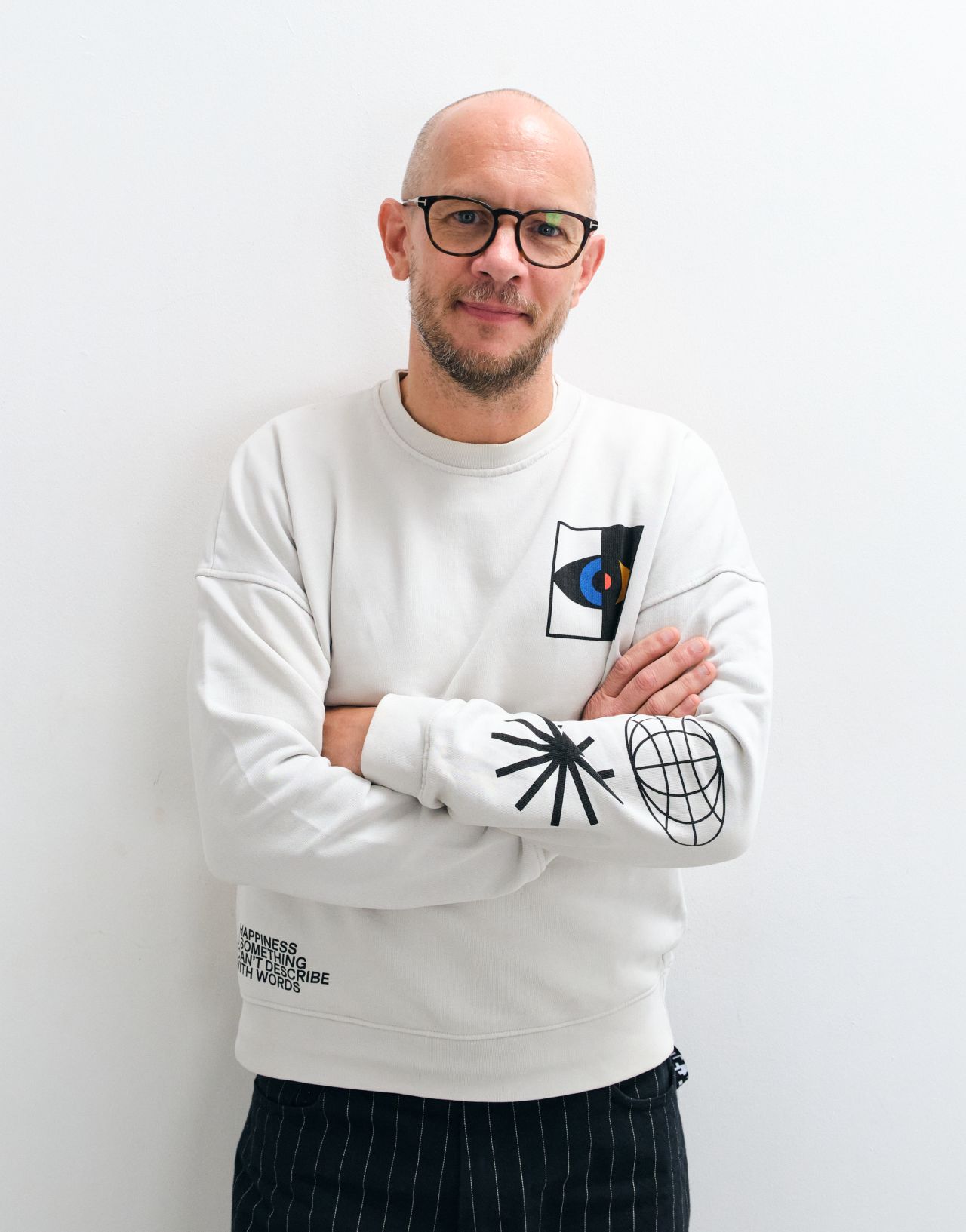
Second, Demna‘s creative output. The upcoming cruise show in New York was cited by CFO Poulou as a key milestone for demonstrating whether the new direction is landing with Gucci‘s core clients. Kering removed Sabato de Sarno after less than two years and hired Demna from within the group. That decision bet the house’s recovery on a single creative voice who carries strong associations with a very different aesthetic. Whether Demna‘s Gucci reads as luxury rather than irony to the brand’s traditional Chinese and European client base will determine whether the 2026 collections accelerate recovery or extend it.
Third, de Meo sold Kering Beauté to L’Oréal for €4 billion in March 2026 to reduce debt. That gives the group financial flexibility to invest in the turnaround without being constrained by leverage. The structural reset target of end 2026 is the first real test of whether ReconKering has traction or is a plan in search of results.
Sources: Kering Q1 2026 Earnings Release (April 14, 2026); CNBC Capital Markets Day coverage (April 16, 2026); WWD (April 14-16, 2026); Retail Gazette (April 20, 2026); NSS Magazine (April 16, 2026)