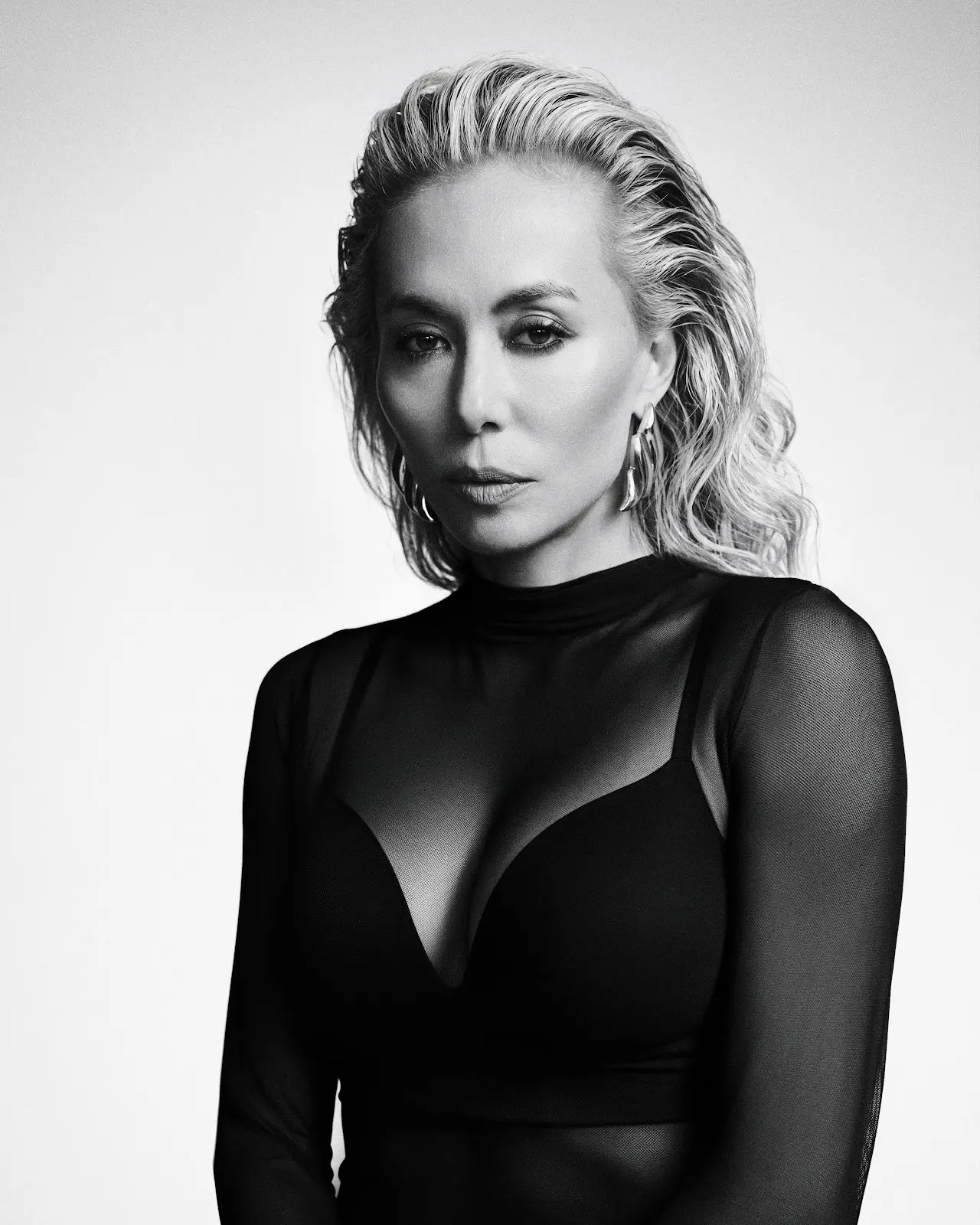
Phoebe Philo Tripled to $41 Million. The Row Is Worth $1 Billion With Zero Ads. Inside Quiet Luxury’s Recalibration.

Jeanel Alvarado
By
Jeanel Alvarado
Jeanel Alvarado is a marketer and retail strategist, leveraging 15+ years of cross-disciplinary expertise in retail, e-commerce, technology, consumer and shopping trends. She is the former...
9 Min Read
Phoebe Philo Tripled to $41 Million. The Row Is Worth $1 Billion With Zero Ads. Inside Quiet Luxury's Recalibration.

Two independent women-led brands with no advertising, no flagship runway theatre, and a combined zero CMOs grew while LVMH Fashion & Leather Goods fell 8% and Kering fell 13%. The numbers are now too clean to ignore. 

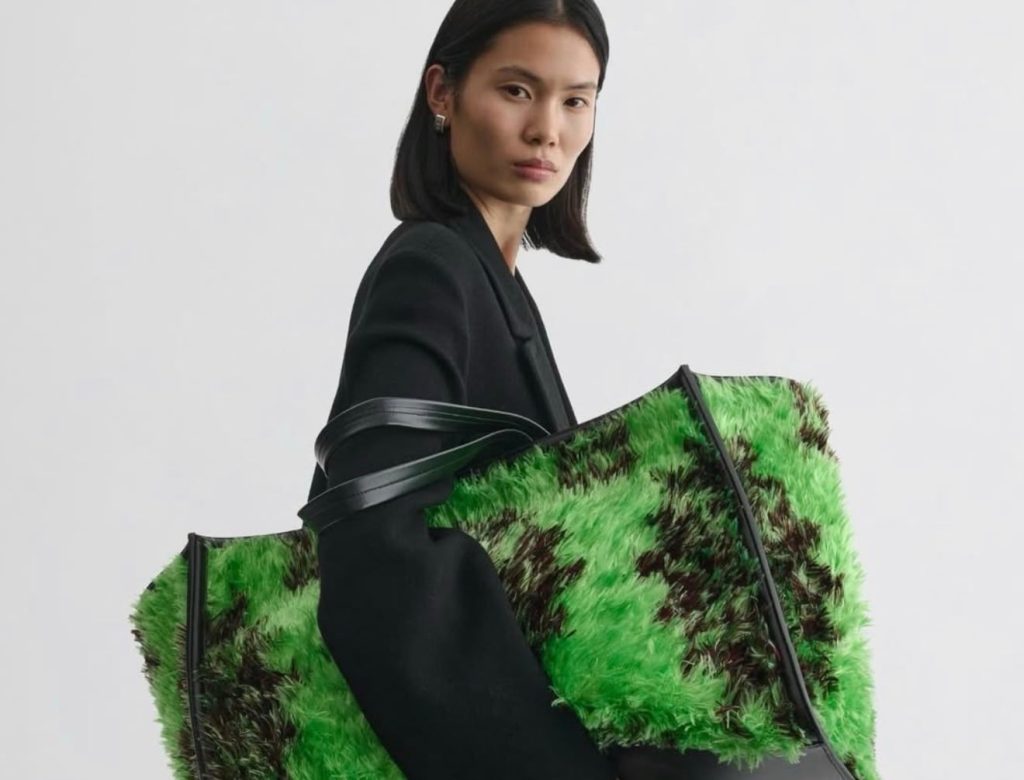
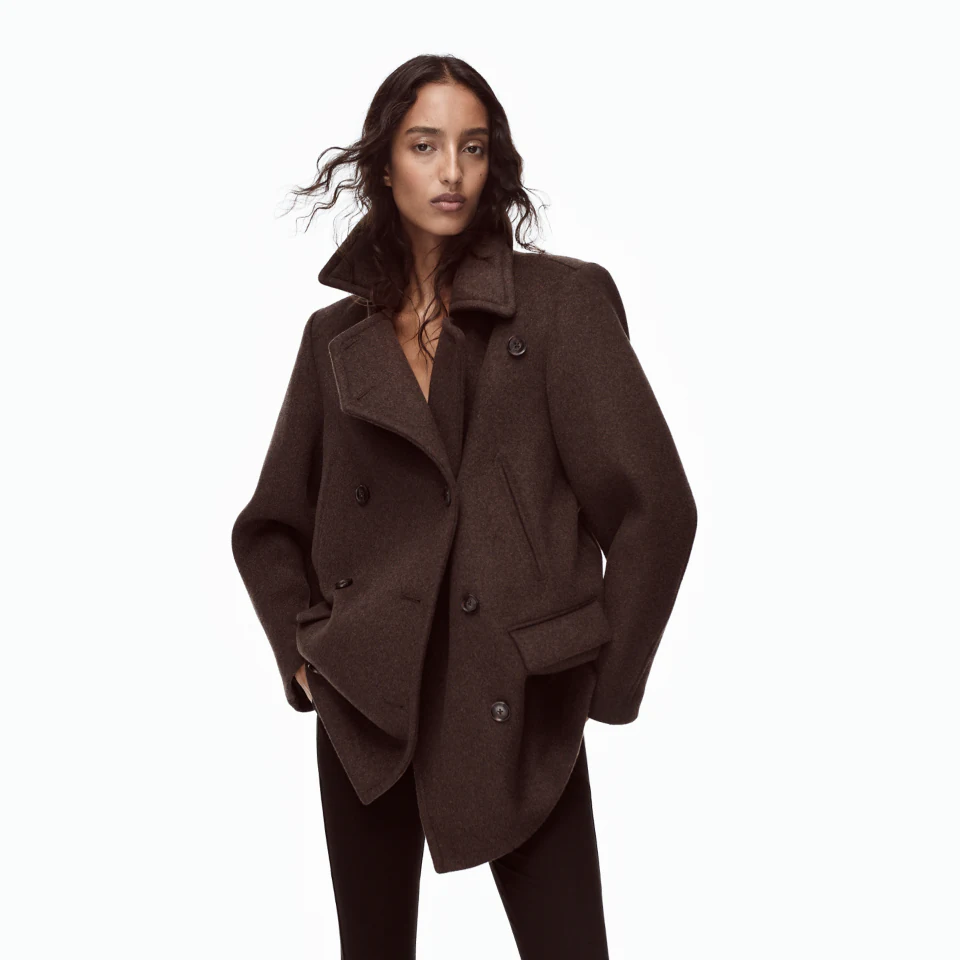
Phoebe Philo’s namesake label closed 2025 with sales of approximately £32 million ($41 million), nearly tripling the £11.2 million it posted in its first full trading year, according to the company’s UK Companies House filing published December 30, 2025. The brand has done that with no runway show, no flagship store, and almost no press. Across the Atlantic, The Row, founded by Mary-Kate and Ashley Olsen, which has never run a single advertisement and bans phones at its runway shows, sold a minority stake in September 2024 to the Wertheimer family (owners of Chanel) and L’Oréal heiress Françoise Bettencourt Meyers at a $1 billion valuation. The Olsens retained majority control.

Two designer-led, female-founded houses scaled on restraint while the conglomerates around them spent the year cycling creative directors and announcing impairments. The numbers are now too clean to ignore.

Quiet luxury brands vs Luxury conglomerates

Brand / Group 2025 Revenue YoY Change Operating Reality
Phoebe Philo Ltd. £32M (≈$41M) ~+186% vs 2024 LVMH minority investor; Delphine Arnault on board; loss of £23.5M (build phase)
The Row (industry estimate) $100M–$250M n/d Wertheimer / Bettencourt Meyers minority; $1B valuation Sept 2024; Olsens retain majority; 5 stores worldwide
Bottega Veneta Not separately disclosed Positive growth Only major Kering house to grow in 2025
LVMH Fashion & Leather Goods €37.8B -8% reported Operating profit -13%
Kering (group) €14.7B -13% reported -10% comparable; 133 stores closed
Gucci €5.99B -22% 41% of Kering revenue; operating income -40%
Saint Laurent n/d -8% H1 2025 -11%

Source: Phoebe Philo Ltd. Companies House filing (filed December 30, 2025, for year ending December 31, 2024); BoF coverage of Philo Ltd. 2025 forecast; The Row $1B valuation per WWD and Celebrity Net Worth; Kering FY2025 release (February 10, 2026); LVMH FY2025 release (January 27, 2026). Compiled by author.

Why The Row’s $1 billion valuation is not a celebrity story

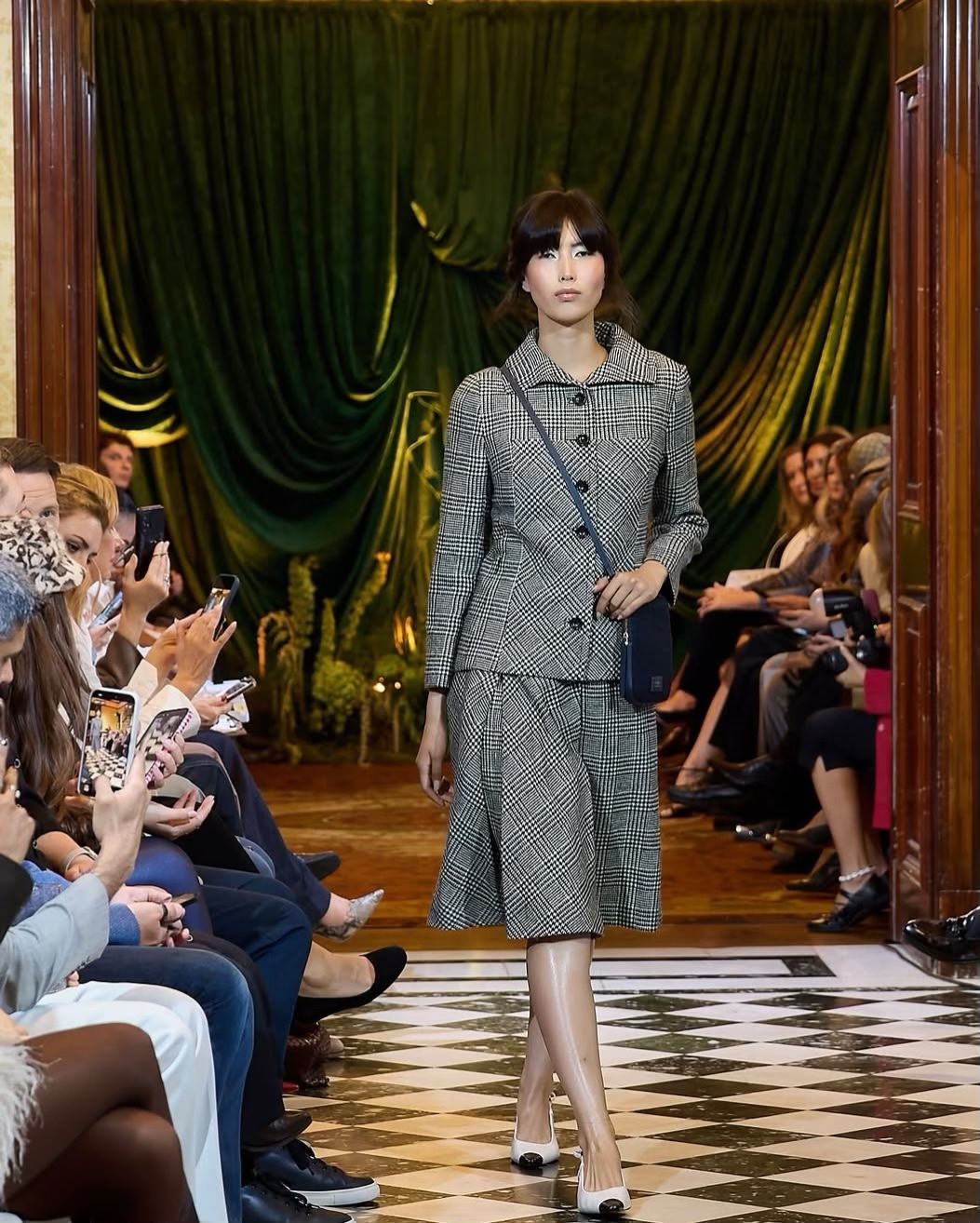
The Row was founded by Mary-Kate and Ashley Olsen in 2006, named for London’s Savile Row. The brand has six CFDA awards, including Womenswear Designer of the Year in 2012 and 2015 and Accessory Designer of the Year in 2014, 2018, 2019 and 2025. It operates five stores worldwide. It has never run an advertisement. Its founders have no public social media accounts. At its Fall 2024 and Spring/Summer 2025 Paris Fashion Week shows, guests were asked to leave their phones in their pockets and were handed paper notebooks; hours after the Fall 2024 show ended, no imagery of the collection existed anywhere on the internet, a near-impossibility in contemporary fashion.

Revenue at The Row is industry-estimated between $100 million and $250 million per FashionUnited’s May 2024 reporting. The September 2024 funding round, led by Alan and Gérard Wertheimer (combined net worth roughly $90 billion, sole owners of Chanel) and Bettencourt Meyers (Forbes’ wealthiest woman in the world), also included Mousse Partners, Tethys Invest, Imaginary Ventures and Saint Dominique Capital, per Global Cosmetics News. The signal in that investor syndicate matters more than the money. The two families with the longest track records in luxury are now structurally exposed to a brand built explicitly on the opposite of what conglomerate luxury currently does.

Why Philo’s losses are not a problem yet

Phoebe Philo founded her namesake brand in 2021, three years after exiting LVMH’s Celine in 2018. The brand began selling in October 2023 with a digital-first, email-list-driven model. Its directors are Philo herself, her husband Max Wigram, and LVMH Deputy CEO Delphine Arnault. LVMH is a minority investor.

The financial trajectory is unusually clean for a fashion startup. Revenue went from £5.7M in 2023 to £11.2M in 2024 (close to doubling) to a forecast £32M ($41M) in 2025 (close to tripling). Operating losses for 2024 totalled £23.5M, up from £21.6M in 2023, but the company described that as deliberate, “precisely as planned,” and consistent with its five-year roadmap. About a third of 2025 sales came from wholesale and concession partnerships, following openings at Bergdorf Goodman, Dover Street Market, Lane Crawford, B1ock, SND and Dongliang, per WWD. The remainder is direct-to-consumer.

The numbers compare instructively to legacy houses at the same revenue scale. The losses are intentional build-phase costs that will narrow as wholesale and the planned Mayfair flagship on Carlos Place in London come on stream.

Bottega Veneta is the conglomerate-side proof point

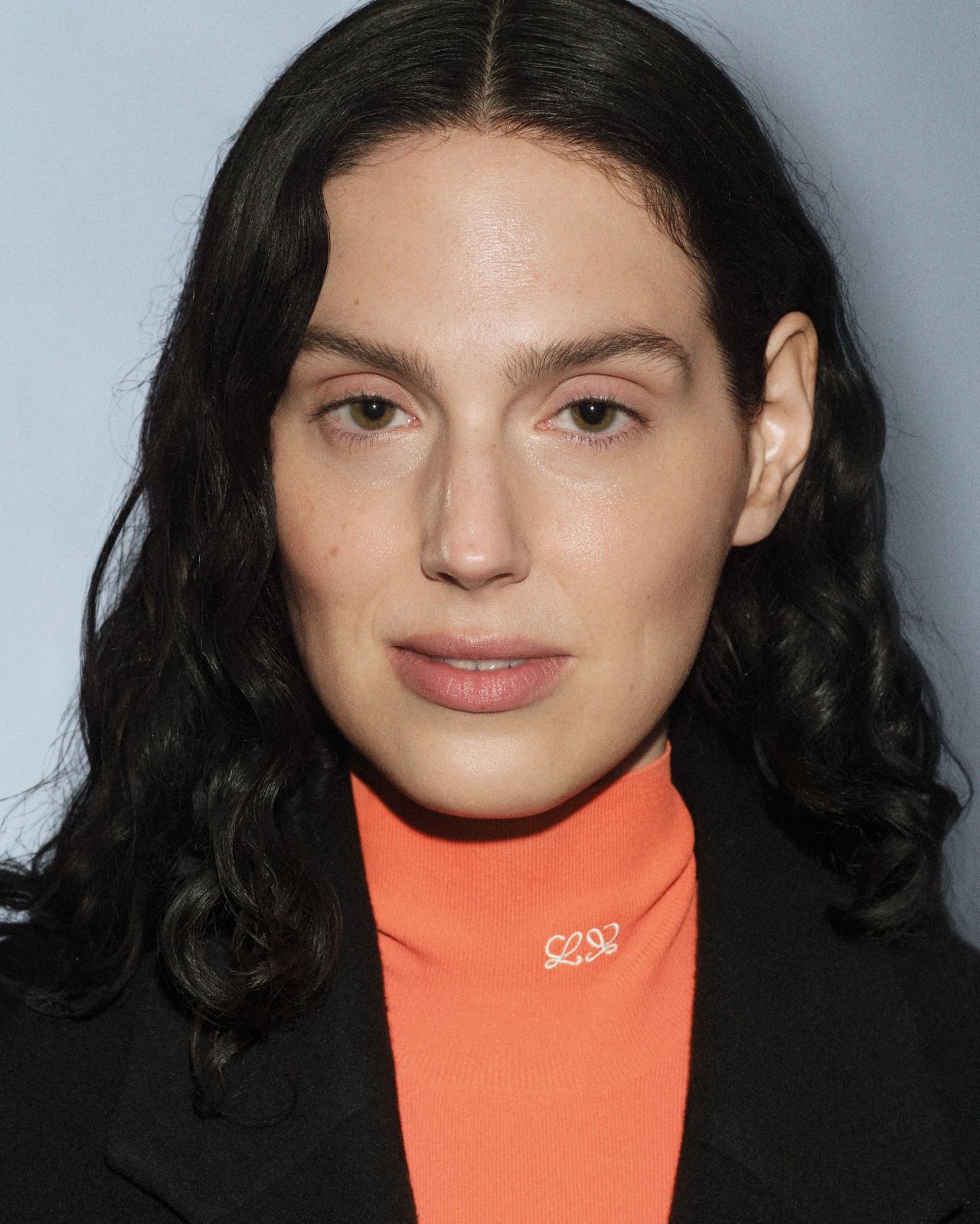
The case for quiet luxury inside the conglomerates is Bottega Veneta. Under Matthieu Blazy, who moved to Chanel as Artistic Director in late 2024, Bottega delivered 6% comparable revenue growth in 2024, then positive comparable growth in 2025, making it the only major Kering house to grow in a year when Gucci fell 22% and Saint Laurent fell 8%. H1 2025 revenue at Bottega was €846 million, up 1%. Q3 was €393 million. The brand celebrated the 50th anniversary of its Intrecciato weave in 2025 with a global “Craft Is Our Language” campaign that contained no logos, no slogans, and no celebrity endorsements.

Louise Trotter, previously of Carven and Lacoste, succeeded Blazy in late 2024 and showed her first Bottega collection during Milan Fashion Week for Spring/Summer 2026. The brand has retained its no-markdowns, no-loud-logos position.

Where this leaves the rest of the industry, and what to watch

First, whether the Wertheimer / Bettencourt Meyers investment is the start of a quiet-luxury consolidation cycle. Both families have explicit strategic motivations: Chanel has historically been private and brand-coherent, and L’Oréal is the largest beauty platform in the world. Either could deploy The Row globally far faster than the Olsens could alone, but only if the brand is willing to relax its core restraint, and the Olsens have given no public signal of that.

Second, whether Philo can hold the line on margin as it scales. The 2024 loss of £23.5M was acceptable because the revenue line was small. At £32M and growing, gross margin discipline and inventory turn become the metrics that matter. Direct-to-consumer was the primary driver of sales through 2024, with wholesale at one-third, a healthy mix that should support gross margin if maintained.

Third, whether Bottega’s playbook gets actively copied at the conglomerate level. Loewe is undergoing its own creative reset under Jack McCollough and Lazaro Hernandez (the Proenza Schouler co-founders); Celine is now under Michael Rider; Givenchy under Sarah Burton. All three approaches lean closer to craft and restraint than to the logo-led aesthetics that defined the 2018–2022 luxury boom. The Q2 2026 results, due late July, will be the first full read of whether craft-and-restraint can stop the conglomerate revenue line from falling.

The uncomfortable inference for big luxury is that the brands without CMOs are growing, and the brands with $300 million advertising budgets are not.

Share This Article
Follow:
Jeanel Alvarado is a marketer and retail strategist, leveraging 15+ years of cross-disciplinary expertise in retail, e-commerce, technology, consumer and shopping trends. She is the former Senior Managing Director of the School of Retailing at the University of Alberta. Jeanel’s insights appear in Nasdaq, Entrepreneur, Fortune, TIME, and the US Chamber of Commerce, among others, with recurring commentary on top retailers and brands for financial markets, consumer insights, shopping trends, tech Innovation, and the luxury sector.