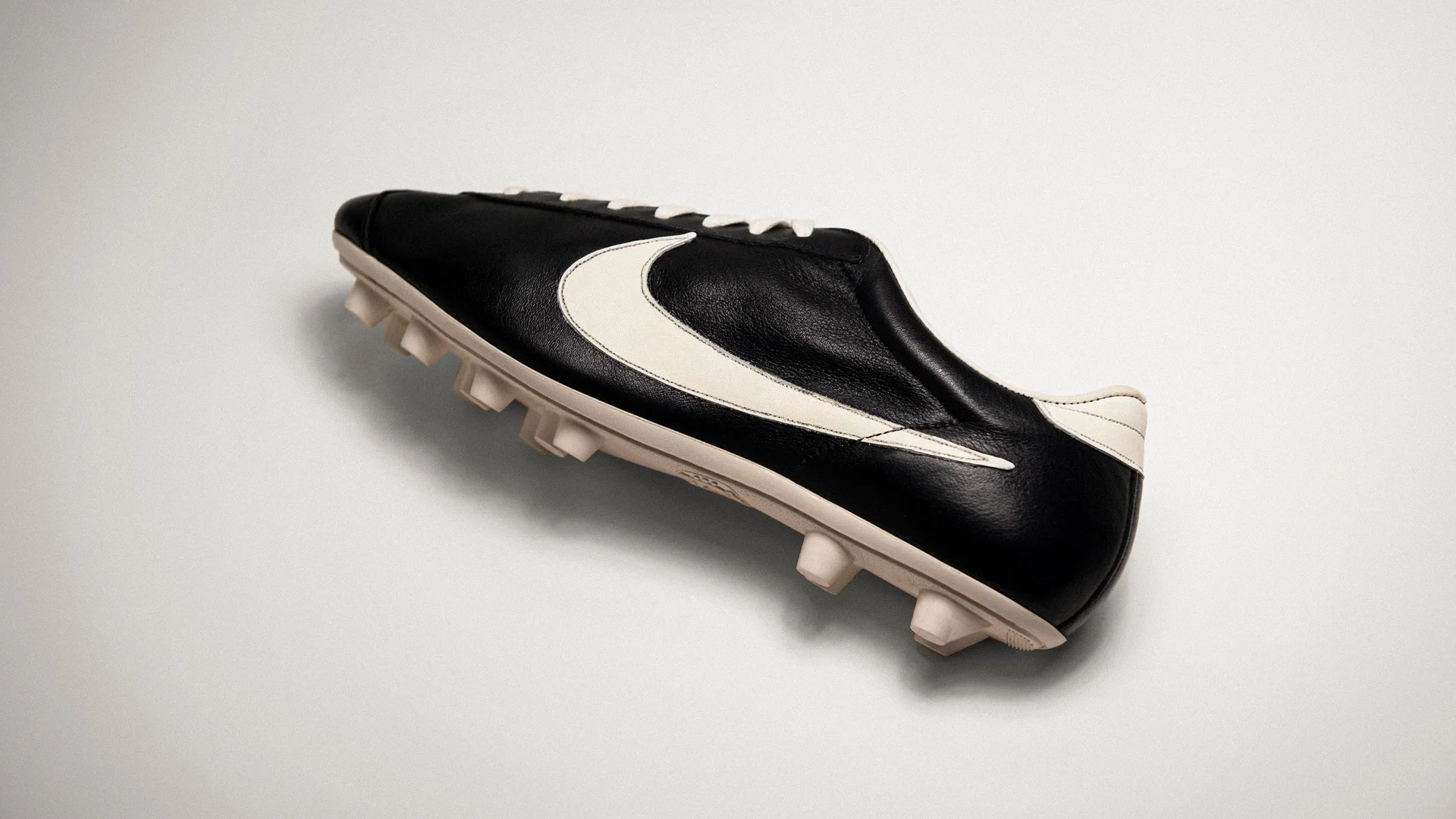
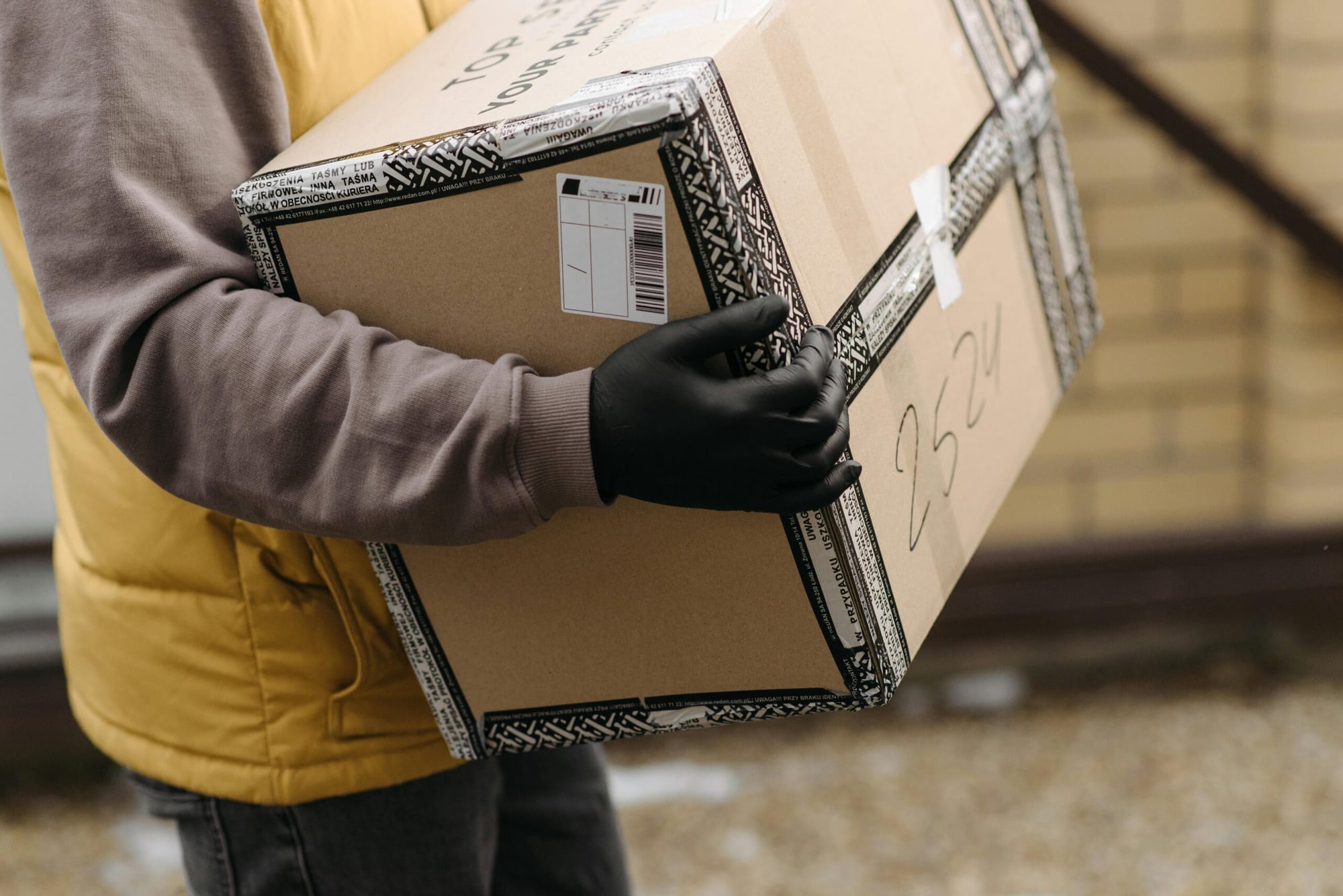
The future of fashion resale is looking promising as the industry continues to evolve and adapt to the changing needs and preferences of consumers. The global secondhand market is expected to nearly double by 2027, driven by factors such as the growing popularity of online marketplaces, increasing cost of living, and the desire for sustainable consumption. In 2018, the fashion resale market accounted for $28 billion, and it is projected to grow over 10 times faster than retail in the coming years.
One of the key trends shaping the future of fashion resale is the increasing focus on sustainability. Consumers are becoming more conscious of the environmental impact of their purchases, and buying secondhand clothing helps reduce waste and conserve resources. In the United States alone, individuals throw out 60 to 80 pounds of textile waste each year, which can take months or even years to break down in landfills.…
By choosing to buy secondhand clothing instead of brand new items, consumers can help reduce waste and contribute to a more sustainable fashion industry. Another trend driving the growth of fashion resale is the expansion of online platforms and digital marketplaces.
Companies like Rebag, ThredUP and The RealReal have made it easier for consumers to buy and sell used items online, catering to the growing demand for secondhand goods. However, these companies also face challenges, such as slowing revenue growth and the need to achieve profitability amidst rising costs.
Despite these challenges, the fashion resale industry is expected to continue growing as more consumers embrace secondhand shopping for its environmental benefits, affordability, and unique offerings.
As a result, we can expect to see more brands and retailers adopting circular business models and incorporating resale into their strategies. In addition to the environmental benefits, buying secondhand clothing also supports local businesses and economies…
Discussion
0 Comments
No comments yet
Start the conversation
Share your take on this story and help shape the discussion.
Sign in to join the discussion.