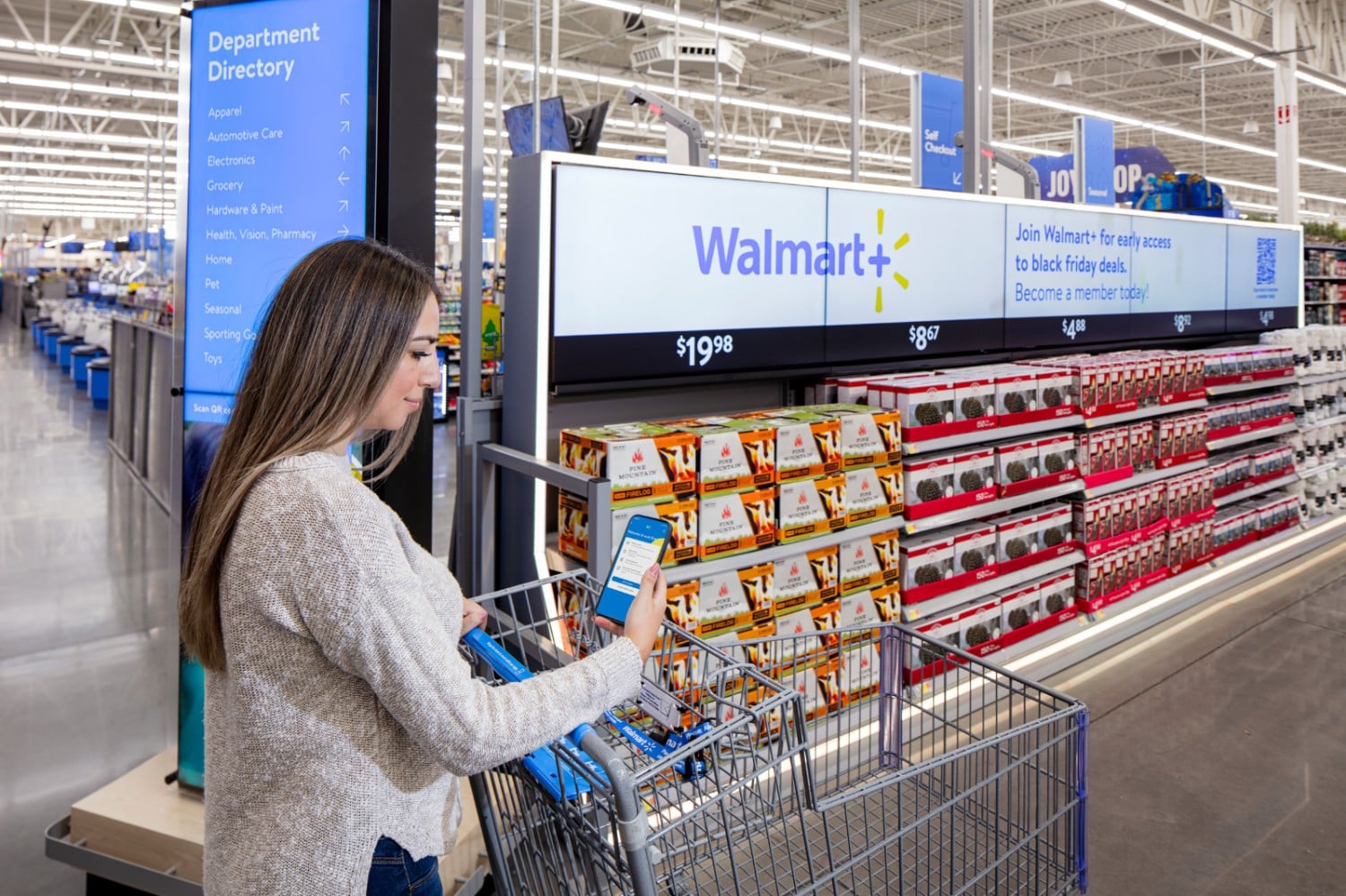
Retailers both in-store and online employ various sales tactics that to some may be seen as manipulate, simply because they try to motivate shoppers to buy their products. These sales tactics are designed to tap into the psychological aspects of consumer behavior, ultimately leading to increased sales and customer satisfaction. One common tactic is creating a sense of urgency or scarcity.
Retailers often use limited-time offers, flash sales, or exclusive deals to make customers feel like they need to act quickly before the opportunity is gone. This sense of urgency can lead to impulse purchases, as customers don’t want to miss out on a great deal. Another tactic is the use of strategic pricing. Retailers often use price anchoring, where they set a high initial price for a product and then offer discounts or sales to make the lower price seem more attractive.
Additionally, they may use the Goldilocks pricing…
strategy, offering multiple options at different price points to encourage customers to choose the option that seems “just right” for them. Retailers also capitalize on the power of social proof to influence buying decisions.
By showcasing positive reviews, testimonials, or user-generated content, retailers can build trust with potential customers and demonstrate the popularity of their products. For online retailers specifically they may use countdown clocks on online retail websites.
These clocks create a sense of urgency, encouraging customers to make a purchase before time runs out. This psychological trick taps into the fear of missing out (FOMO) and can lead to impulsive buying decisions.
While countdown timers can be helpful in some cases, such as informing customers about delivery deadlines, it is crucial for shoppers to recognize when this tactic is being used to push sales and make decisions accordingly. Another example provided is showing how much of a certain item is left in stock…
Members-only article
Unlock the rest of this story
Join free to keep reading RetailBoss glossary coverage, industry analysis, and market intelligence.
- Full article access
- Industry analysis
- Free account
Free access. No credit card required. Your account is created after you verify your email.

Discussion
0 Comments
No comments yet
Start the conversation
Share your take on this story and help shape the discussion.
Sign in to join the discussion.