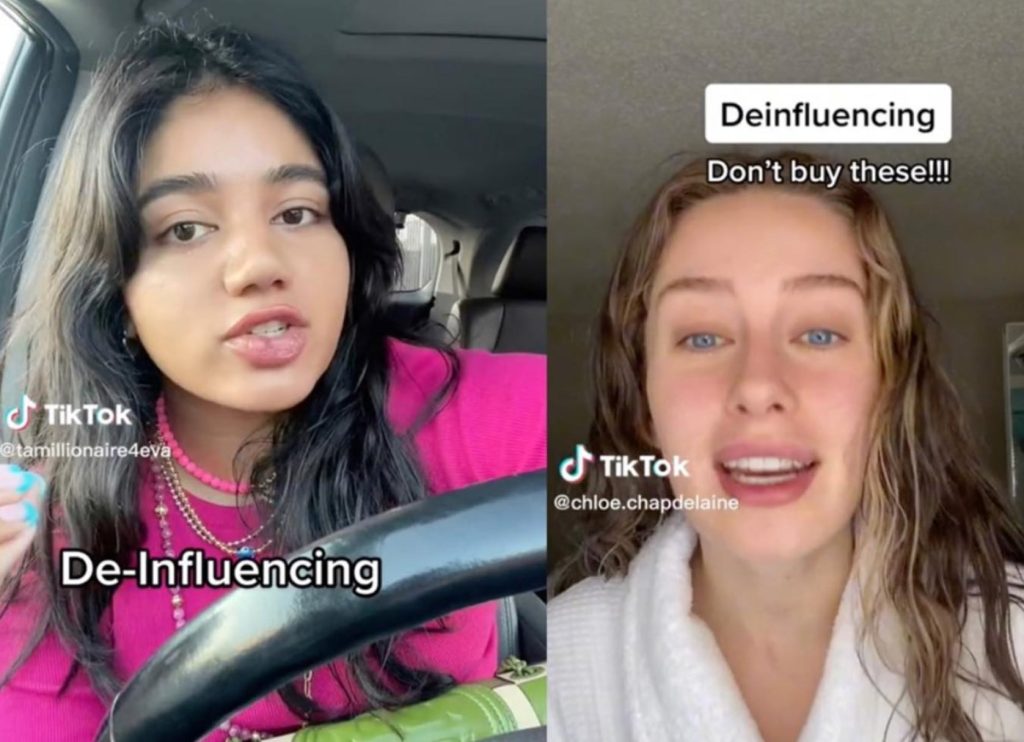
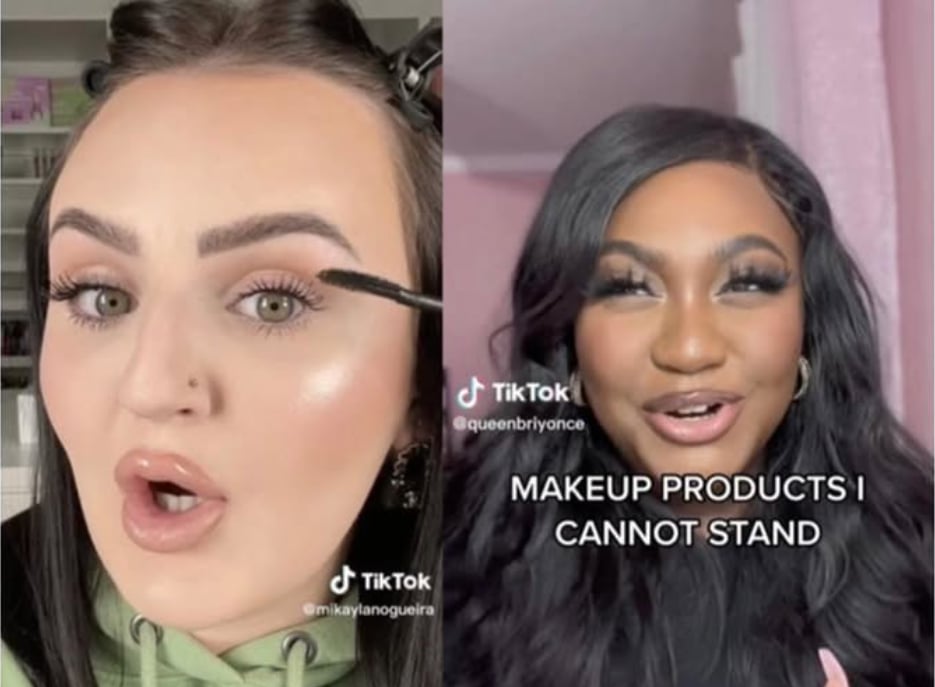
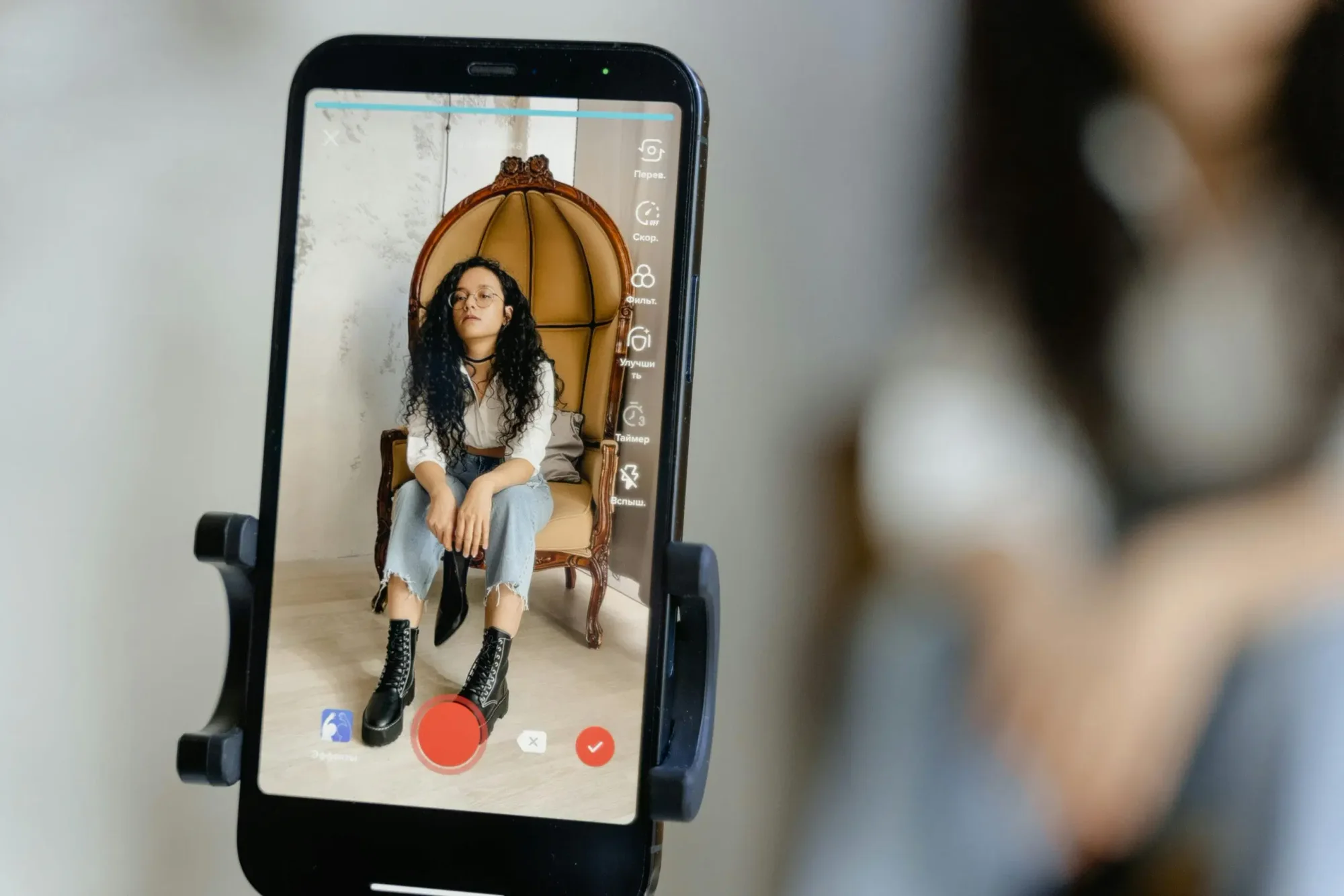
What is Deinfluencing? Deinfluencing refers to the declining impact of traditional influencers—those with large followings and polished content—on consumer purchasing decisions. Instead, consumers turn to micro-influencers, user-generated content (UGC), and word-of-mouth recommendations for more authentic and relatable advice.
This trend has been fueled by growing consumer skepticism toward overly curated influencer content and a desire for transparency. According to a 2025 report, 72% of Zillennials now trust recommendations from peers or micro-influencers more than macro-influencers.
The Rise of Deinfluencing 84% of shoppers consult at least one social media platform before making a purchase, with 50% citing social media and word-of-mouth as the most effective ways to discover brands . Micro-influencers (those with 10,000–100,000 followers) now drive 3x higher engagement rates than macro-influencers.
TikTok and Instagram Reels remain the top platforms for influencer marketing, but emerging platforms like Mastodon, Hive, and Discord are gaining traction as spaces for authentic, community-driven conversations. Deinfluencing as a Marketing Strategy Deinfluencing isn’t just a…