Inside Capri Holdings: Jimmy Choo Rises as Michael Kors Steadies

Jeanel Alvarado
By
Jeanel Alvarado
Jeanel Alvarado is a marketer and retail strategist, leveraging 15+ years of cross-disciplinary expertise in retail, e-commerce, technology, consumer and shopping trends. She is the former...
3 Min Read
Inside Capri Holdings: Jimmy Choo Rises as Michael Kors Steadies

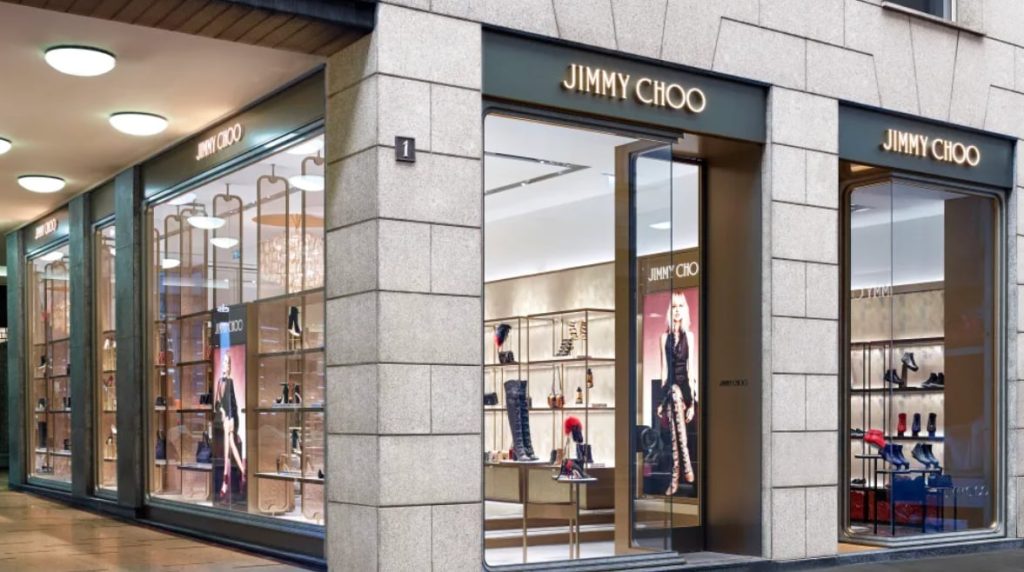
Capri Holdings is a two-brand group now, and the split is telling. Jimmy Choo is quietly becoming the company’s most compelling story, posting 5% revenue growth and flipping from a loss to a $3 million operating profit in Q3 FY2026. Michael Kors, still the group’s biggest earner at $858 million in quarterly revenue, continues to lose ground, down 5.6% year-on-year as it works through a prolonged correction from years of over-distribution.

It signals a divergence: one brand gaining momentum, one resetting, and a balance sheet that just got a lot cleaner after the $1.375 billion Versace sale to Prada.


Brand Q3 Revenue YoY Change Operating Margin
Michael Kors $858M -5.6% 13.9%
Jimmy Choo $167M +5.0% 1.8%
Total (Group) $1.025B -4.0% 4.5% reported / 7.7% adj.


Jimmy Choo: The Bright Spot

Jimmy Choo delivered 5% revenue growth on a reported basis, reaching $167 million. Core accessories and improving retail momentum were the drivers. More telling: the brand flipped from a $6 million operating loss a year ago to a $3 million operating profit — a swing that signals strategic traction, not just a good quarter. Gross margin also expanded, coming in at 66.5% versus 66% in the prior year.

The brand has been quietly repositioning around elevated accessories and a tighter product story. It is a smaller business than Michael Kors, but it is moving in the right direction and closing in on sustainable profitability.

Michael Kors: Revenue Pressure, Margin Hold

Michael Kors remains the group’s engine, generating $858 million in quarterly revenue, but that figure fell 5.6% year-over-year (7.3% in constant currency). Operating margin compressed to 13.9% from 16.2% a year earlier. The brand has been navigating a correction after years of over-distribution eroded its positioning — a familiar story for accessible luxury names that scaled too fast.

Management is now targeting fiscal 2027 for a return to growth. The language from CEO John Idol suggests confidence in the direction, if not the timeline. Inventory is already leaner, down 6.5% versus a year ago — a positive signal for margin recovery.

The Versace Effect: A Cleaner Balance Sheet

The quarter’s most significant number may not be on the income statement. Following the $1.375 billion sale of Versace to Prada, completed December 2, 2025, Capri’s net debt collapsed from roughly $1.6 billion to $80 million.

That financial breathing room allows both remaining brands to invest without the pressure of servicing a heavy debt load and gives management the flexibility to be deliberate rather than reactive as Michael Kors finds its footing.

Share This Article
Follow:
Jeanel Alvarado is a marketer and retail strategist, leveraging 15+ years of cross-disciplinary expertise in retail, e-commerce, technology, consumer and shopping trends. She is the former Senior Managing Director of the School of Retailing at the University of Alberta. Jeanel’s insights appear in Nasdaq, Entrepreneur, Fortune, TIME, and the US Chamber of Commerce, among others, with recurring commentary on top retailers and brands for financial markets, consumer insights, shopping trends, tech Innovation, and the luxury sector.