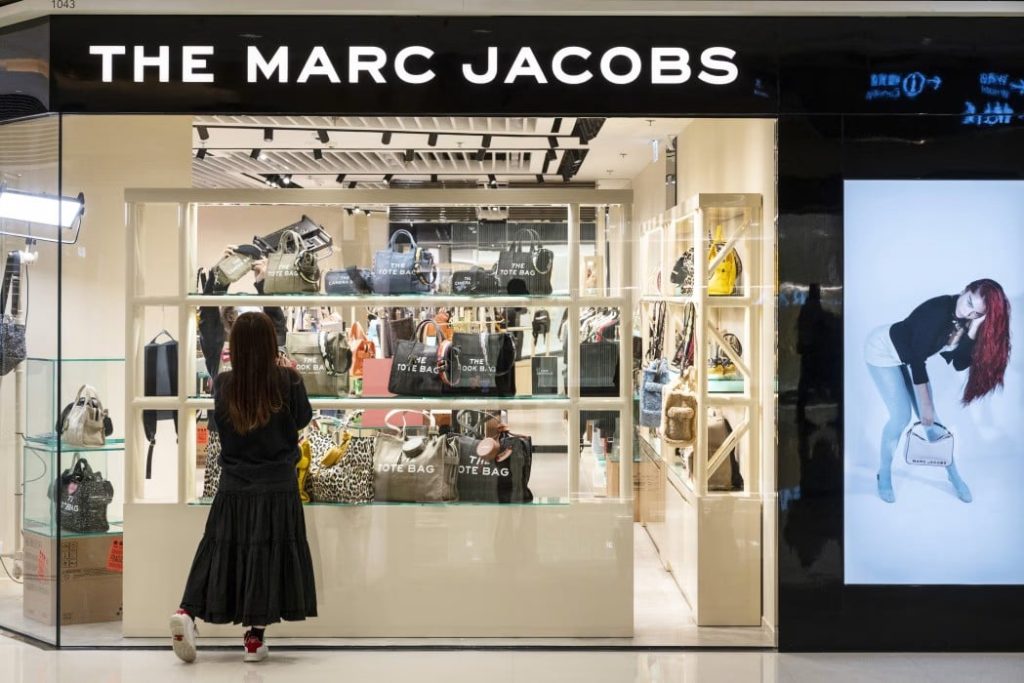
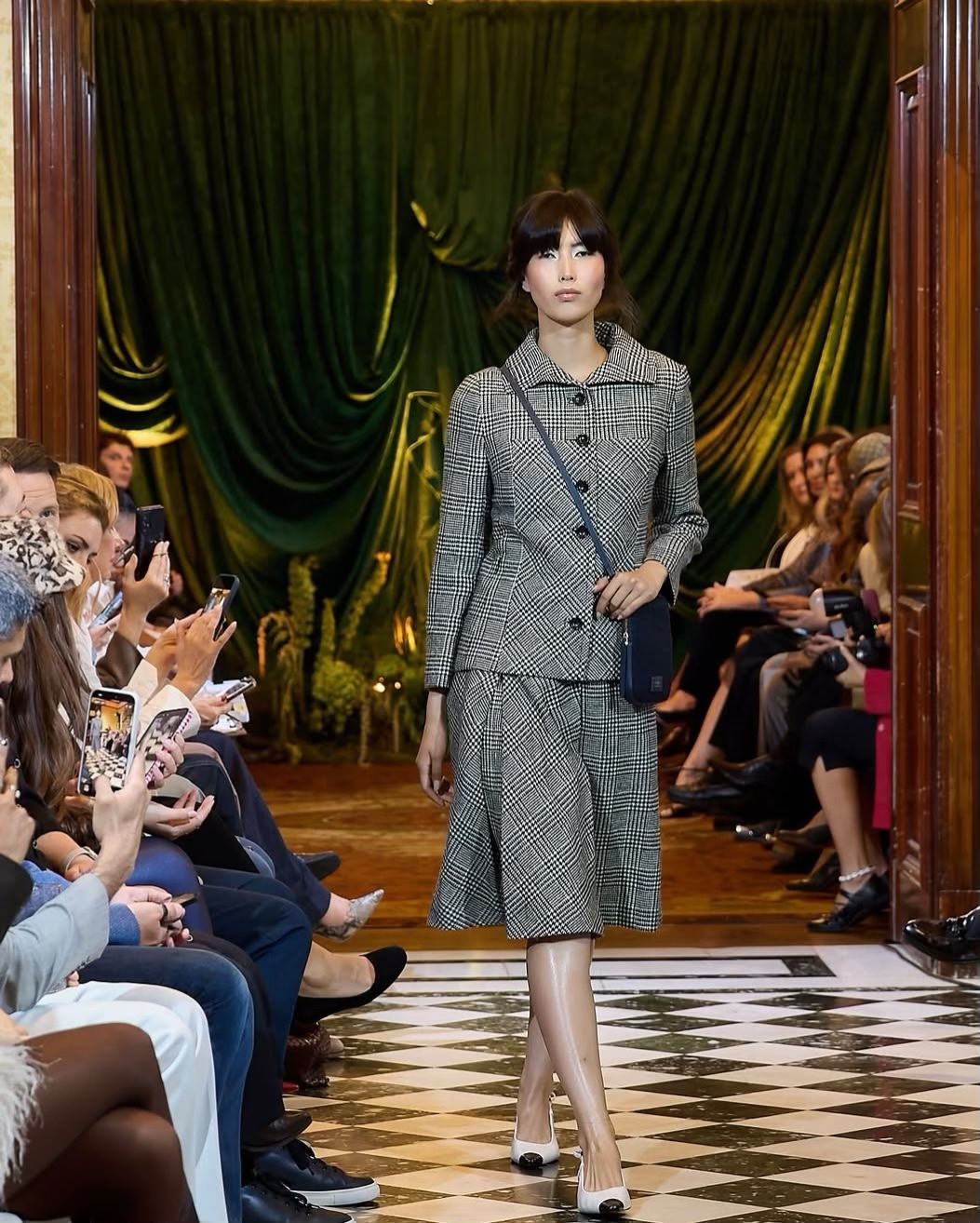
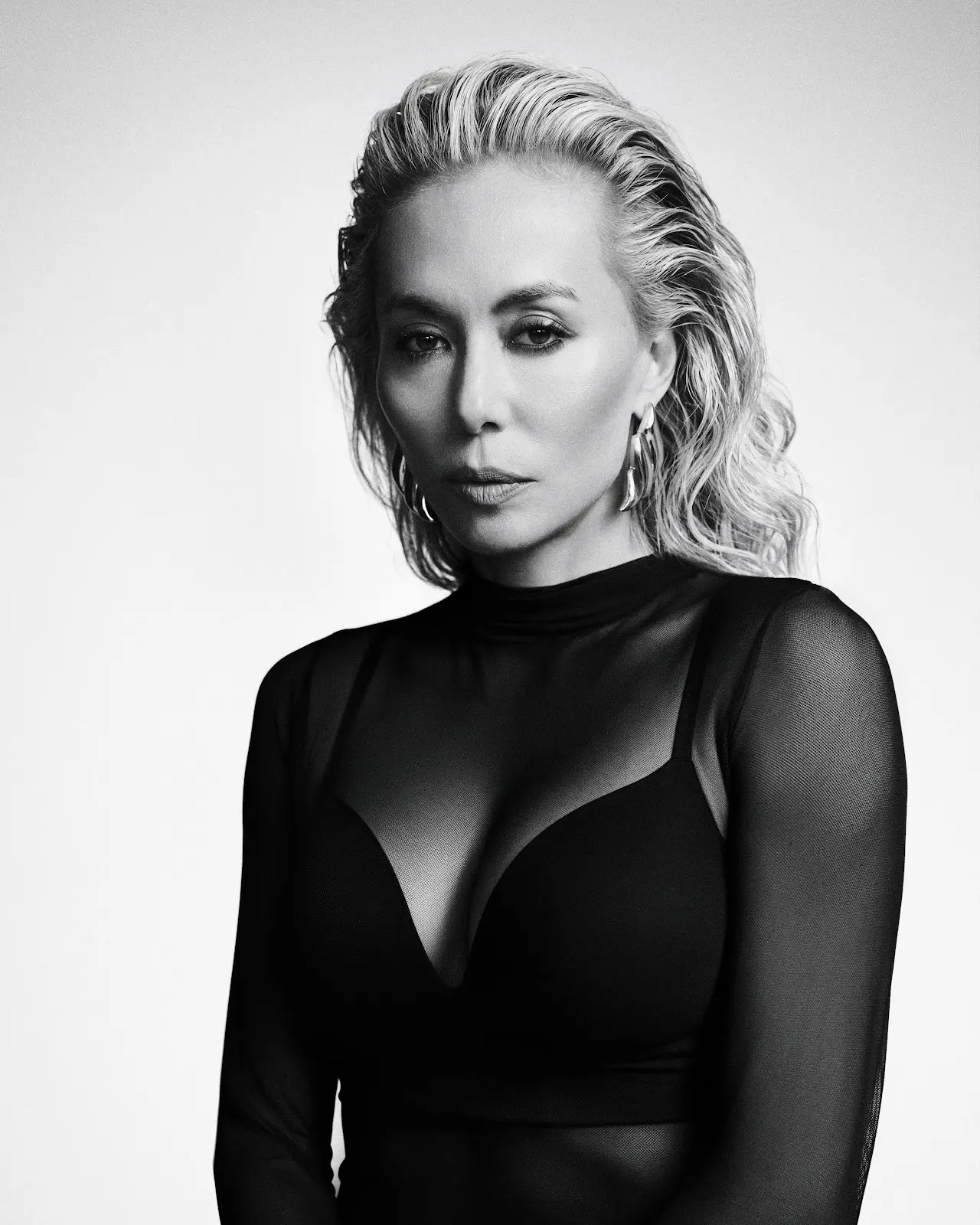
When LVMH took a majority stake in Marc Jacobs in 1997, it was buying into American cool at its peak, a designer simultaneously reinventing Louis Vuitton’s image and building his own irreverent, downtown-New York label. Nearly three decades later, that relationship is ending. LVMH has agreed to sell Marc Jacobs to WHP Global, a brand management firm, with G-III Apparel Group joining as an operational partner. The deal is expected to close before year-end.
The question worth asking is not why now, but why it took this long.
A Brand That Never Quite Fitted the Conglomerate Model
Marc Jacobs has always been a cultural brand more than a luxury one. It thrived on provocation and pop references, not heritage. That made it a perennial misfit inside a house built on Vuitton, Dior, and Celine, maisons rooted in savoir-faire and generational aspiration. LVMH invested heavily in scaling it: retail expansion, fragrance licensing, accessories development. But the brand straddles accessible fashion and high fashion in a way that consistently challenged margin discipline.
LVMH’s recent moves tell a cleaner story about portfolio direction. It sold its stake in Stella McCartney back to her in early 2025. It exited Off-White in late 2024, selling to Bluestar Alliance. Marc Jacobs is the latest lifestyle-adjacent brand to leave in quick succession. What remains is a portfolio anchored firmly in European hard luxury.
LVMH’s Recent Exits
| Brand | Buyer | Year | Signal |
| Off-White | Bluestar Alliance | 2024 | IP licensing play |
| Stella McCartney | Stake sold back to founder | 2025 | Strategic misalignment |
| Marc Jacobs | WHP Global / G-III | 2026 | Portfolio refocus |
WHP Global and the Rise of Brand IP Ownership
The buyer matters here. WHP Global is not a fashion house, it is a brand management platform, built to own intellectual property and scale it through licensing. Its portfolio includes Vera Wang, rag & bone, and G-STAR. With Marc Jacobs added, it will surpass USD $9.5 billion in global retail sales across 80-plus countries.
This is a growing model in fashion. Authentic Brands Group has done it at scale with Barneys, Forever 21, and Brooks Brothers, acquiring IP, licensing it to operators, and collecting royalties. G-III’s role here, taking on the operating business under a long-term license, mirrors exactly that structure. LVMH, meanwhile, frees itself from the working capital demands of a brand that never became a billion-dollar earner in its own right. Marc Jacobs himself continues as Creative Director, preserving the one asset the brand cannot replicate: his name.
The broader lesson is about portfolio clarity. In a softening luxury market, where LVMH’s own Q2 2025 results came in slightly below expectations, conglomerates are being forced to answer a harder question: which brands can carry their weight at scale, and which ones are better off in the hands of operators built around licensing economics?
The LVMH exit from Marc Jacobs is unlikely to be the last of its kind. Kering has faced similar questions about its own portfolio, Bottega Veneta and Saint Laurent continue to perform, but Balenciaga has spent two years in reputation recovery and Gucci is mid-reset. Richemont, meanwhile, has been quietly restructuring its fashion and accessories division for years.
The pressure across all three conglomerates is the same: in a market where capital is more expensive and consumers are more selective, every brand in a portfolio needs a clear reason to exist at scale.
Marc Jacobs did not have one inside LVMH. Under WHP Global and G-III, the question becomes whether licensing economics can do what conglomerate investment could not, turn cultural relevance into a consistently profitable business.