In this article, we will explore the definitions of white labeling and private labeling in fashion and how they can impact brand differentiation and fashion branding. By the end, you’ll have a clearer picture of which approach might be best for your brand and how it can influence your market position.
What is White Labeling in Fashion?
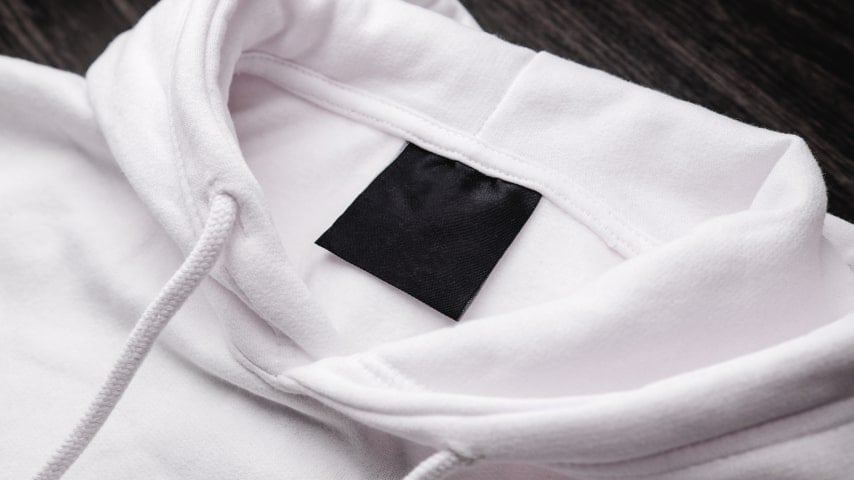
White labeling in fashion refers to a manufacturer producing clothing or accessories for another brand, rebranding and selling the products as their own. This means that the manufacturer’s label is replaced with the brand’s label, giving the appearance that the brand has created the product. The original creator remains anonymous, and the reseller brand takes the front seat in the eyes of the consumer.
This strategy can be particularly advantageous for startup fashion brands lacking the resources to set up manufacturing operations. By leveraging the capabilities of established manufacturers, these brands can enter…
the market with quality products without incurring the substantial costs of setting up production lines. Pros of White Labeling Cost-effective: White labeling allows brands to produce products at a lower cost, as they do not have to invest in their own production facilities.
This can be a huge advantage for small or emerging brands that want to minimize upfront investments. Time-efficient: By outsourcing production, brands can save time and focus on other aspects of their business, like refining their marketing strategies or exploring new market opportunities.
This can lead to faster go-to-market times for new products. Access to expertise: Manufacturers have expertise in production and can produce high-quality products that meet the brand’s specifications. They often have established quality control processes and the ability to scale production as needed.
Cons of White Labeling Lack of control over production: With white labeling, the brand does not have complete control over the production process, which can lead to inconsistencies in quality. This can become a significant issue if the manufacturer fails to adhere to the brand’s standards. Limited brand differentiation: As the…
Members-only article
Unlock the rest of this story
Join free to keep reading RetailBoss education coverage, industry analysis, and market intelligence.
- Full article access
- Industry analysis
- Free account
Free access. No credit card required. Your account is created after you verify your email.
Discussion
0 Comments
No comments yet
Start the conversation
Share your take on this story and help shape the discussion.
Sign in to join the discussion.