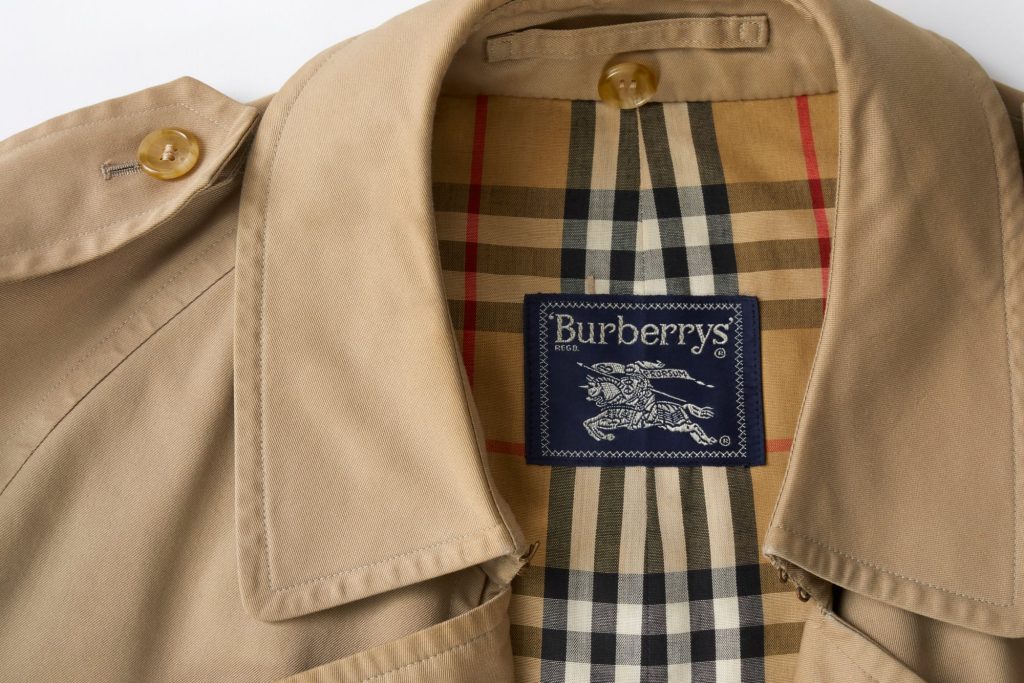

Founded by Thomas Burberry in 1856, the brand originally earned recognition under the name “Burberrys.” However, in 1999, a significant strategic shift led to a notable
Founded by Thomas Burberry in 1856, the brand originally earned recognition under the name “Burberrys.” However, in 1999, a significant strategic shift led to a notable rebranding—transitioning from “Burberrys” to simply “Burberry.” What prompted this name change, and what does it signify?
Burberrys vs. Burberry
Feature
Burberrys
Burberry
Era
Pre-2000
Post-1999
Logo
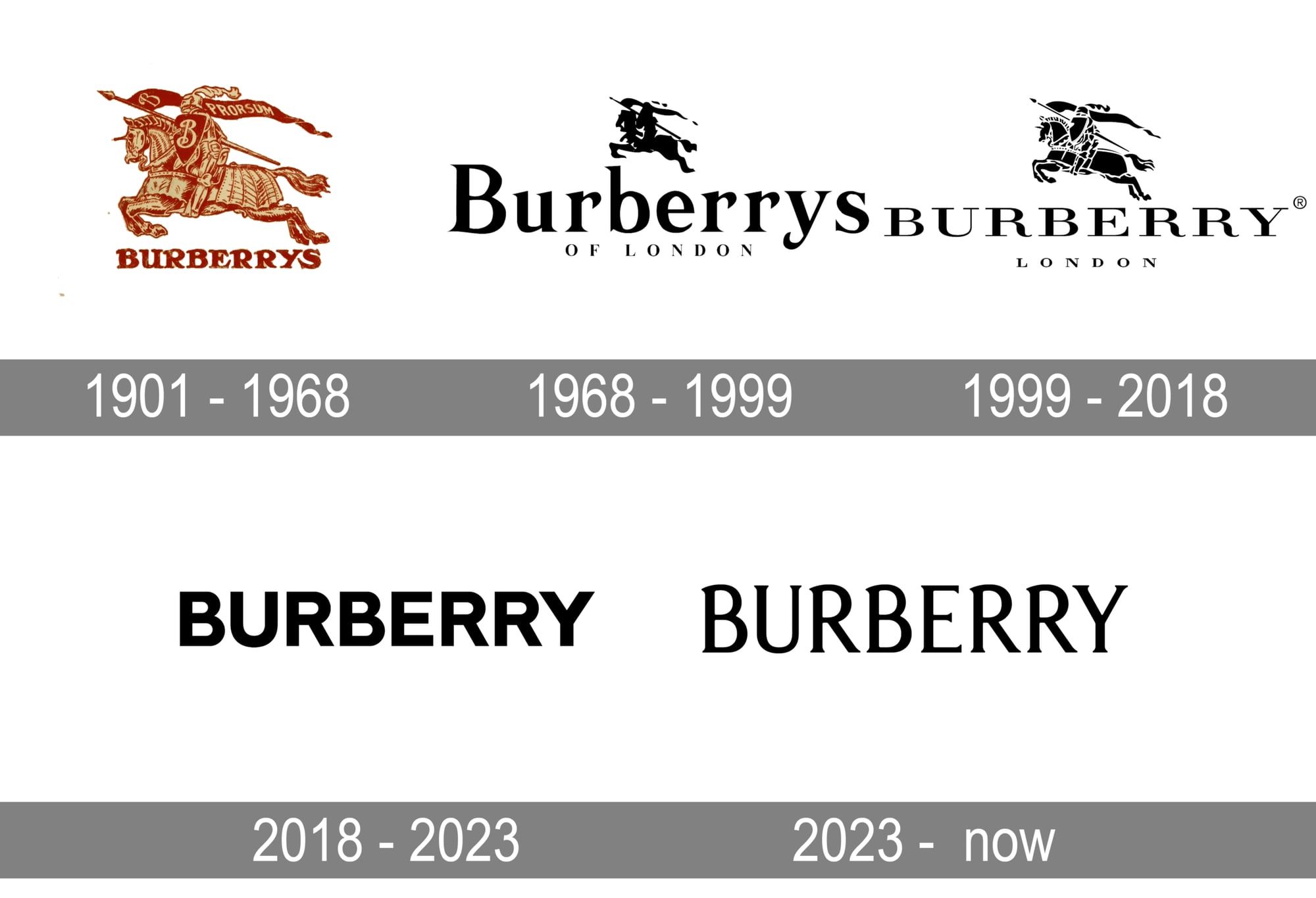
More traditional, included “Burberrys of London”
Modernized, designed by Fabien Baron, focuses on minimalism
Product Labeling
Products feature “Burberrys” branding
Uses “Burberry” on all products
Brand Structure
Multiple sub-brands like Prorsum, London, Brit
Consolidated into a single brand “Burberry”
Market Position
Traditional luxury, focused on outdoor gear
Functional luxury, broader product range including runway fashion
Pricing Strategy
Premium, catering to high-status customers
Premium, maintaining exclusivity, and appealing to affluent consumers
Why the Name Change?
Credit: 1000 Logos
Initially, the brand was known simply as “Burberry.” However, as customers frequently referred to the company as “Burberrys,” the name was…
officially changed to “Burberrys.” As the brand’s popularity surged globally, customers commonly referred to the company as “Burberrys of London.” Embracing this widespread usage, the brand adopted “Burberrys” as its official name.
Post-1999, Burberry expanded its market, targeting a younger audience without alienating its traditional customers. The introduction of three primary collections—womenswear, menswear, and accessories—reflects the brand’s adaptation to contemporary fashion trends while retaining classic elements.
In 1999, seeking a streamlined global identity and modern appeal, the company reverted to its original name, “Burberry.” The 1999 Rebrand Fast forward to 1999, Burberry was at a crossroads. The fashion landscape was rapidly changing, influenced by a younger, more diverse audience and an increasing appetite for modernity.
To stay competitive, Burberry embarked on a comprehensive rebranding journey: Global Identity: The switch to “Burberry” was part of a broader strategy to create a unified and streamlined global identity. By simplifying the name, Burberry aimed to reinforce a singular, cohesive brand image that resonated across all markets…
Members-only article
Unlock the rest of this story
Join free to keep reading RetailBoss faq coverage, industry analysis, and market intelligence.
Full article access
Industry analysis
Free account
Free access. No credit card required. Your account is created after you verify your email.

Discussion
0 Comments
No comments yet
Start the conversation
Share your take on this story and help shape the discussion.
Discussion
0 Comments
No comments yet
Start the conversation
Share your take on this story and help shape the discussion.
Sign in to join the discussion.