The fast fashion industry is poised for explosive growth, defying expectations and cementing its position as a global powerhouse. The market is projected to grow by $79.2 billion from 2025 to 2029, accelerating at an 11% compound annual growth rate (CAGR) driven by surging demand from youth populations and AI-powered innovations in design and marketing. This forecast, detailed in a Technavio report, underscores the sector’s resilience despite mounting sustainability concerns and competition from counterfeit products.
The burgeoning youth population—expected to grow by 7.9% globally by 2030—remains the backbone of fast fashion’s expansion. Younger consumers prioritize affordability and trendiness, with platforms like TikTok and Instagram accelerating demand cycles. Over 2 billion monthly active Instagram users by 2024 have turned the app into a critical battleground for brands like H&M, Zara, and ASOS, which leverage influencers to showcase new collections in real time.
Social Commerce: Brands like…
Missguided use gamified features (e.g., “swipe to hype”) to convert browsing into purchases, while AI optimizes inventory based on trending styles. Regional Growth: North America dominates with 53% market share, but emerging markets like India, China, and Brazil are rising hotspots due to urbanization and Western-style adoption.
Sustainability Pressures and Slow Fashion’s Rise Despite growth, the industry faces backlash over its environmental footprint. Fast fashion accounts for 10% of global carbon emissions and 20% of wastewater, with synthetic materials like polyester exacerbating landfill waste.
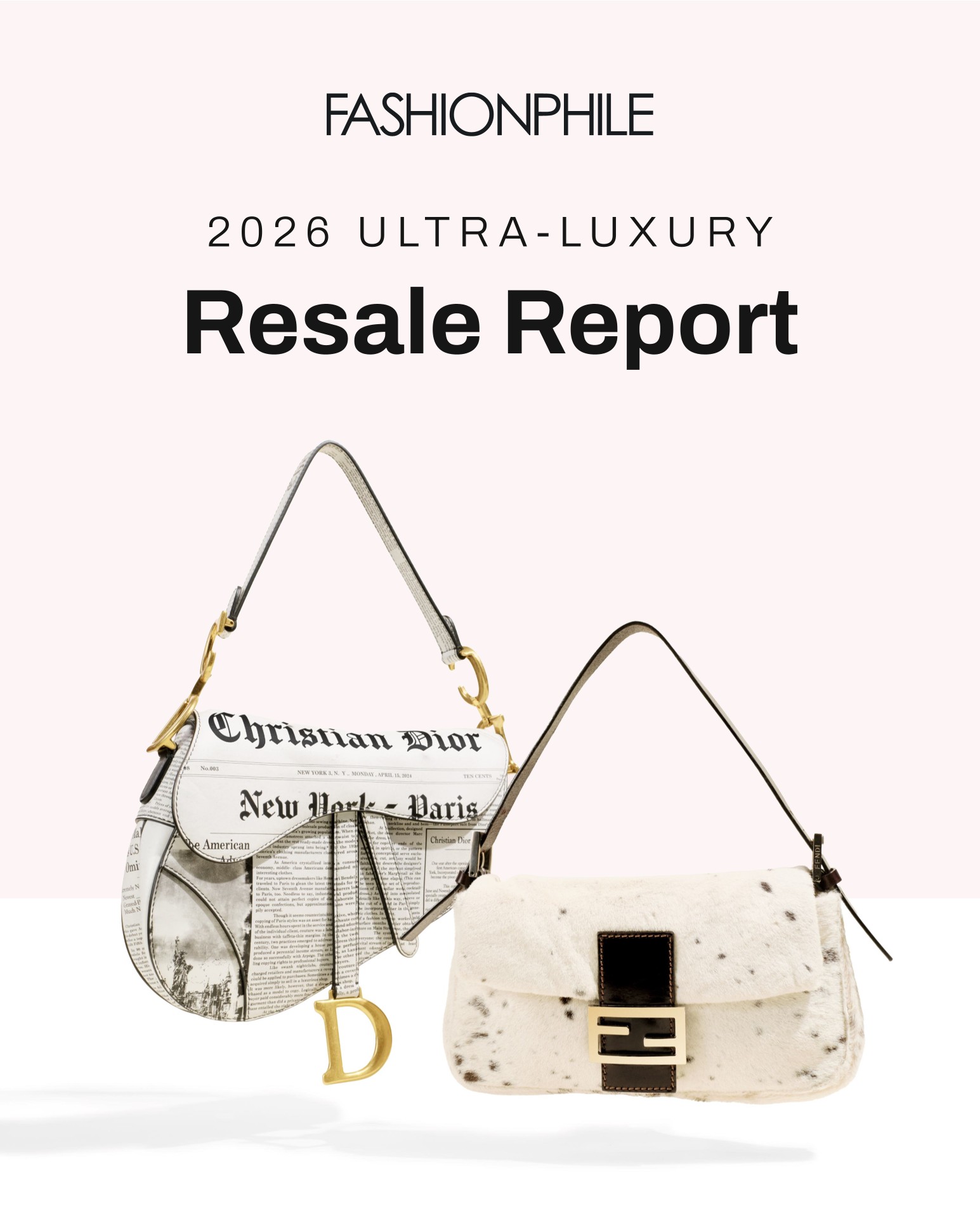
In response: Circular Economy: Secondhand clothing is projected to comprise 10% of global sales by 2025, with platforms like ThredUp and Depop gaining traction. Tech-Driven Solutions: AI reduces overproduction by predicting demand (e.g., Zara’s inventory algorithms).
Blockchain enhances supply-chain transparency, as seen with Everledger’s ethical sourcing initiatives. 3D Printing minimizes fabric waste during prototyping. Major brands are pivoting: H&M’s “Conscious Collection” uses recycled materials, while Zara aims for 100% sustainable fabrics by 2025. Counterfeits and Ethical Labor…
Discussion
0 Comments
No comments yet
Start the conversation
Share your take on this story and help shape the discussion.
Sign in to join the discussion.