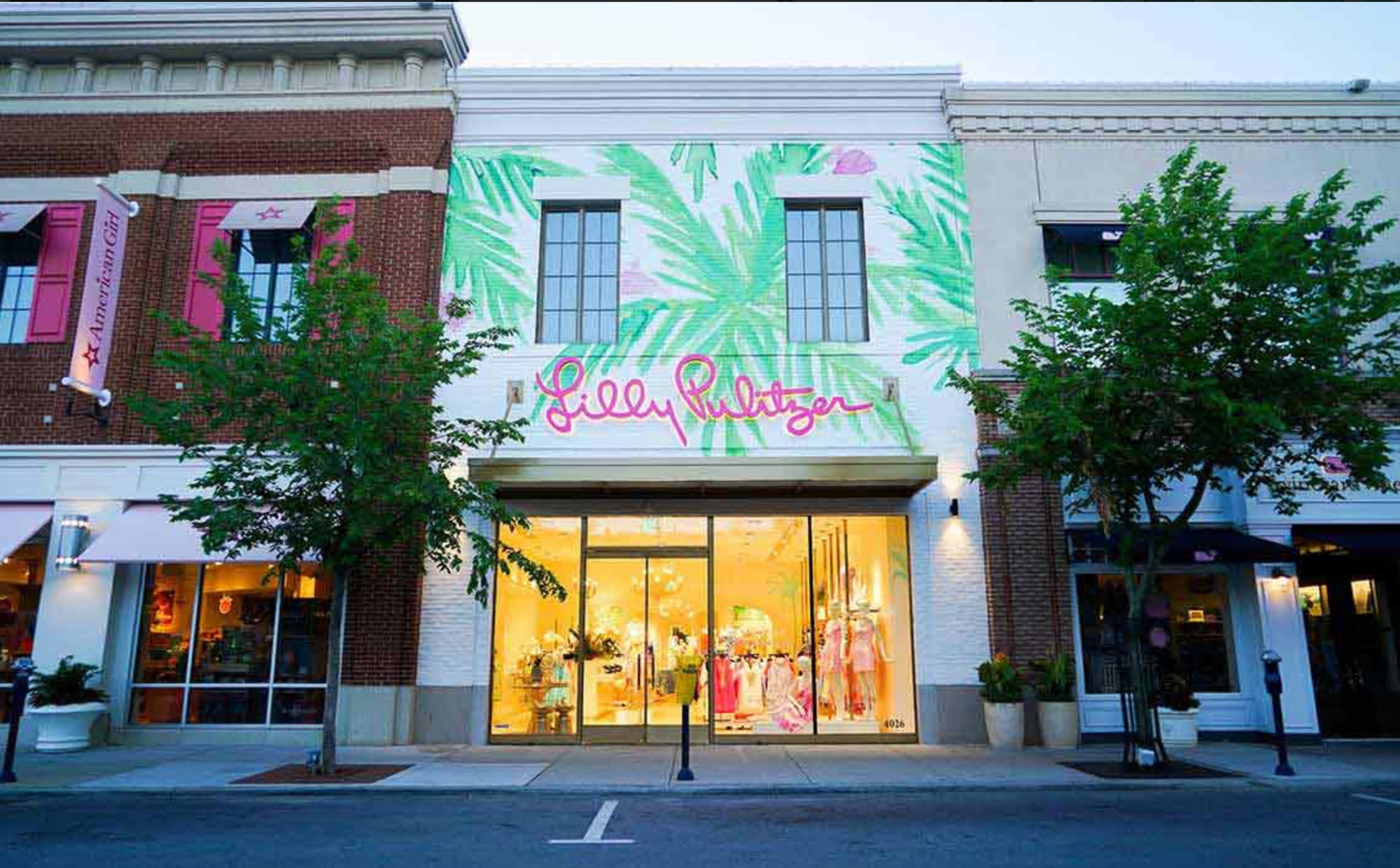
Selling through retailers can be a game-changer for brands, especially those looking to expand their market reach and establish a strong presence in the retail industry. According to recent statistics, U.S. clothing and accessories store sales stood at $26.24 billion as of September 2024, showcasing a modest increase from the previous year. Independent retailers, significantly contribute to the local economy by offering distinctive and diverse product selections that cater to specific customer segments. Let’s dive into the advanatgeas and disadvantages of selling in independent and specialty retailers.
Advantages vs Disadvantages of Selling Through Retailers
Advantages Disadvantages Increased Market Reach Reduced Profit Margins Reach a larger audience via retailers’ networks Retailers buy at wholesale prices, reducing margins Trusted Brand Association Less Control Over Branding Gain credibility through association with known retailers Retailers control product presentation and placement Higher Sales Volume Dependence on Retailer Performance Benefit from bulk purchasing leading to stable…
revenue Sales can be impacted by retailer’s performance issues Operational Efficiency Inventory and Supply Chain Challenges Retailers handle logistics, warehousing, and customer service Matching retailer demand can be challenging Marketing and Promotional Support Competitive Pressure Leverage retailer’s marketing strategies Compete with other brands for shelf space and attention Advantages of Selling Through Retailers 1.
Increased Market Reach One of the primary benefits of selling through retailers is the expanded market reach. Retailers often have a wide network of stores spread across various locations, allowing your products to reach a larger audience than you might manage on your own.
This increased visibility is crucial for brand growth and recognition. 2. Trusted Brand Association Partnering with established retailers can lend credibility and trust to your brand. Consumers tend to trust retailers they are familiar with, so having your products on their shelves can enhance consumer confidence in your brand.
3. Higher Sales Volume Retailers order products in bulk, which can lead to higher sales volumes compared to direct-to-consumer sales, especially for emerging brands…
Members-only article
Unlock the rest of this story
Join free to keep reading RetailBoss faq coverage, industry analysis, and market intelligence.
- Full article access
- Industry analysis
- Free account
Free access. No credit card required. Your account is created after you verify your email.
Discussion
0 Comments
No comments yet
Start the conversation
Share your take on this story and help shape the discussion.
Sign in to join the discussion.