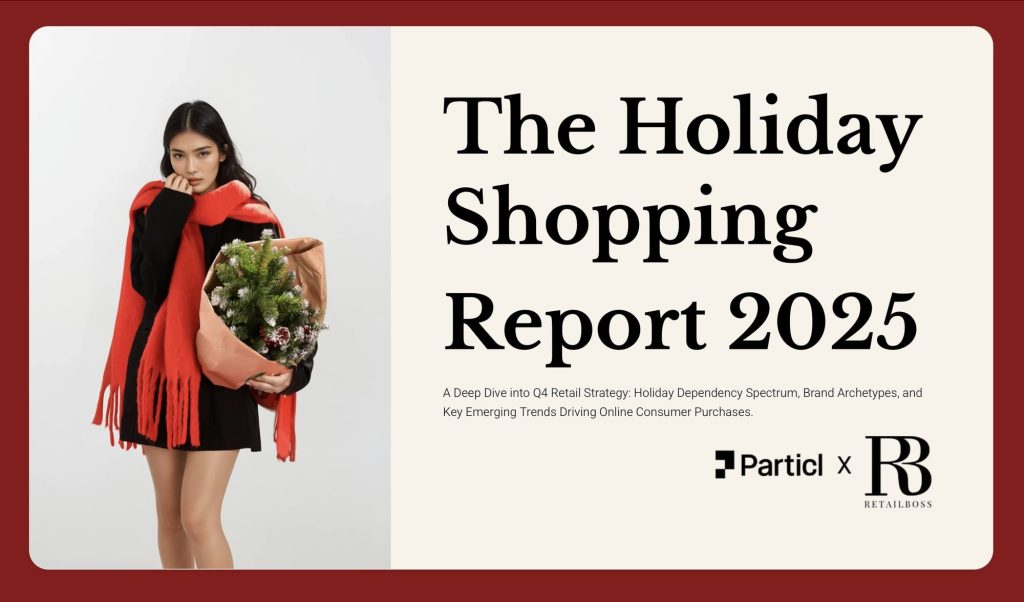
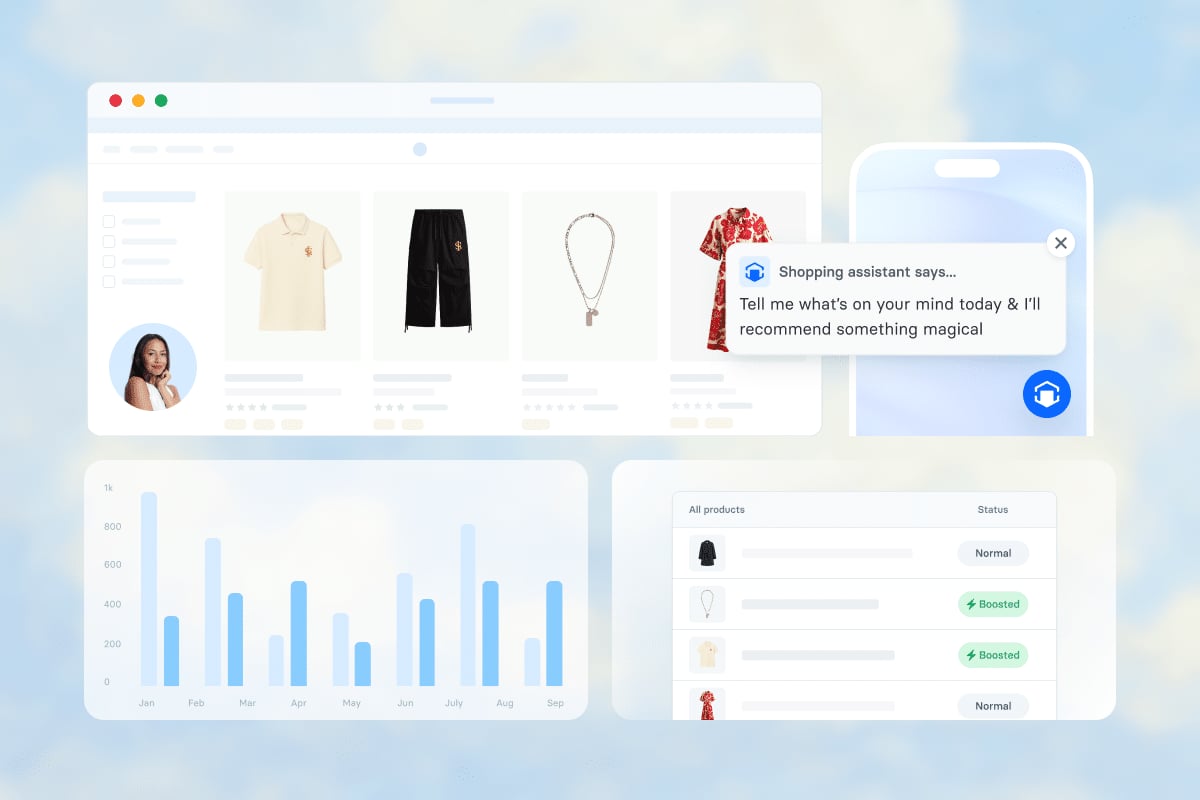
The conventional wisdom is clear: for many retail brands, Q4 is everything. Success is measured by performance between Black Friday and Christmas. But our RB Insights 2025 Holiday Shopping Report, powered by Particl data, reveals a far more nuanced reality. The difference between success and failure lies in understanding your brand’s specific holiday dependency, not in following generic peak-season tactics. Using Particl’s SKU-level market data and RETAILBOSS (RB) insights, this report segments brands into four holiday dependency archetypes and links those patterns to product strategy, gifting behavior, and category dynamics.
Particl is an AI-powered retail intelligence platform that tracks competitor pricing, inventory movement, product performance, and demand signals across hundreds of thousands of brands and millions of SKUs globally. In this report, Particl data is used to:
Estimate 2024-2025 full-year revenue and the share captured in the holiday period (Q4 or November–December,…
depending on category). Map brands to a “holiday dependency” spectrum, from 80% of annual revenue originating in the holiday season. Identify product-, price-, and category-level patterns behind best-sellers and underperformers, and how these shift during the gifting window versus the rest of the year.
RB insights build on these quantitative findings to interpret the strategic implications for brand positioning, merchandising, and marketing in 2025.
You can download and read the full-report online here: https://the-holiday-shopping-1r9ersy.gamma.site/ Holiday Dependency Archetypes in 2025 Based on 2024 data, brands cluster into four main archetypes by share of annual revenue generated in the holiday period: Holiday Headliners: Holiday revenue >55% of annual sales Seasonal Syncs: Holiday revenue 35–55% Year-Round Engines: Holiday revenue 20–34% Unseasonals: Holiday revenue Key patterns observed in 2024 that shape the 2025 outlook: Jewelry shows the widest spread, from highly holiday-dependent luxury gifting players above 75–80% holiday share to mission-driven or self-purchase brands closer to 20–40%.
Toys and collectibles skew heavily holiday-driven, with one major exception: a…
Members-only article
Unlock the rest of this story
Join free to keep reading RetailBoss dtc coverage, industry analysis, and market intelligence.
- Full article access
- Industry analysis
- Free account
Free access. No credit card required. Your account is created after you verify your email.
Discussion
0 Comments
No comments yet
Start the conversation
Share your take on this story and help shape the discussion.
Sign in to join the discussion.