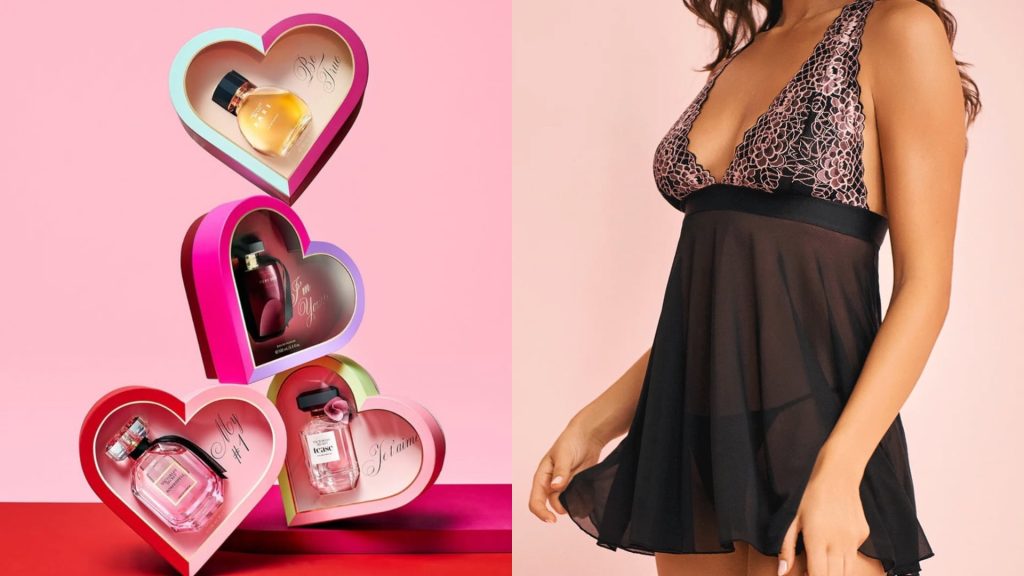
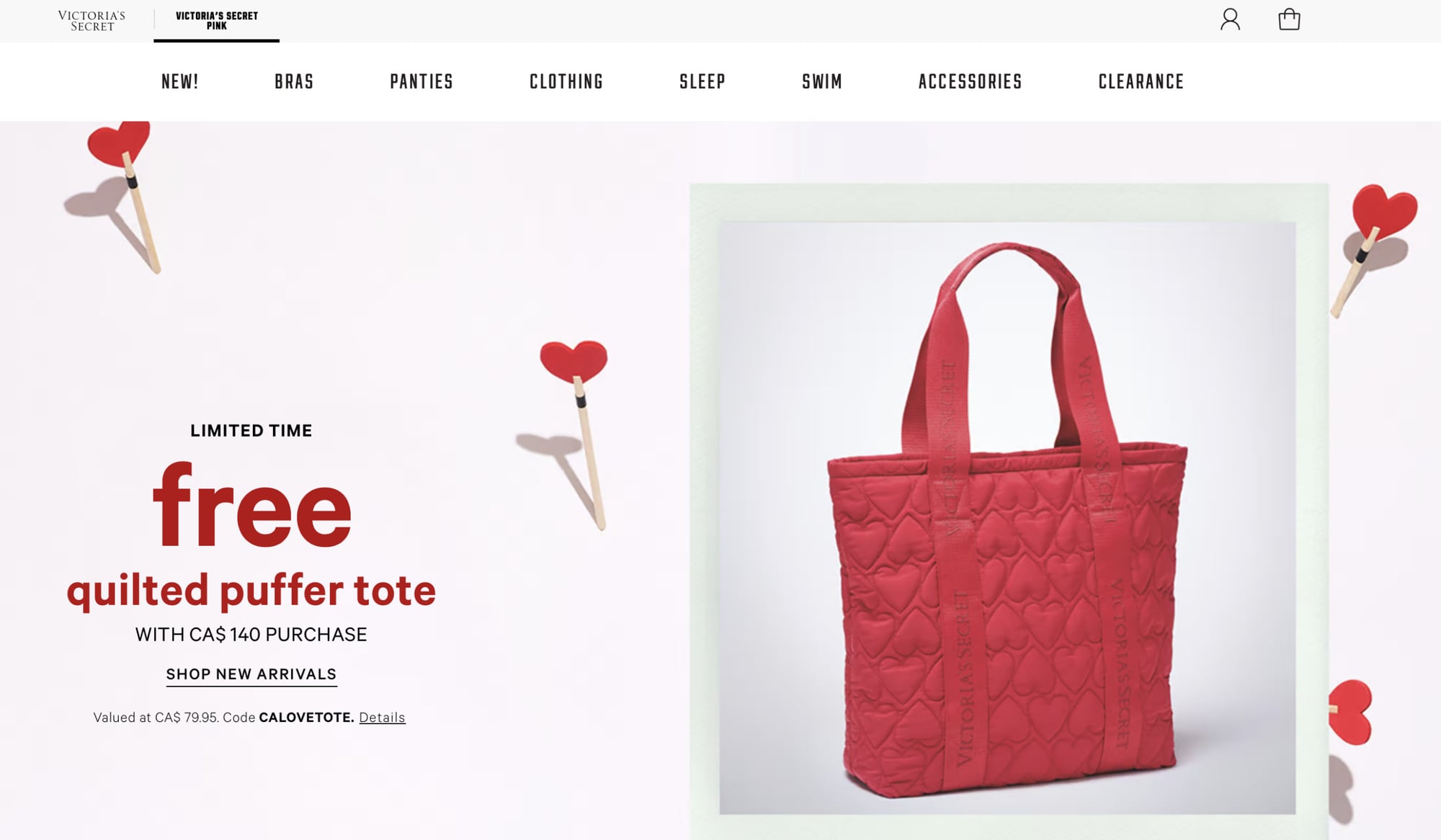
Valentine’s Day – It’s the one time of year when shop shelves turn pink, inboxes overflow with heart emojis, and brands scramble to capture a slice of the seasonal spending surge. It is a golden opportunity, a moment to connect with customers and drive sales. But for too many brands, it is a fleeting romance – an intense burst of transactions followed by silence.
The real win is not just in the spike in sales but in what happens next. Turning first-time Valentine’s shoppers into long-term customers is where the real value lies. And yet, many brands still treat it like a short-term affair.
We’ve been digging into what makes customers come back after seasonal shopping events like Valentine’s. With insights from emerging consumer trends and real-world loyalty data, here is how brands can make sure February 14th shoppers stick around long after the roses wilt.
Love is changing: What’s…
driving Valentine’s spending? Valentine’s is no longer just about romantic partners. Consumer behavior is shifting, and brands that embrace these changes can turn seasonal purchases into lasting customer relationships. Nowadays, around half of Americans celebrate Valentine’s Day. 1.
Pets are part of the love story View this post on Instagram A post shared by Pet Age (@petagemag) Pet owners are increasingly treating their furry companions to Valentine’s gifts. In the US alone, spending on pet Valentine’s presents is expected to surpass $2.14 billion (Pet Food Industry).
Research from Jollyes shows that 30.4% of pet owners have previously bought their pets a Valentine’s gift, with the trend growing year on year. For brands in the pet industry, this presents a prime opportunity to build emotional connections through loyalty programs.
Offering bonus points on pet purchases, birthday treats for pets, or special Valentine’s rewards for pet lovers can encourage repeat business and build long-term customer relationships. 2…
Members-only article
Unlock the rest of this story
Join free to keep reading RetailBoss insights coverage, industry analysis, and market intelligence.
- Full article access
- Industry analysis
- Free account
Free access. No credit card required. Your account is created after you verify your email.
Discussion
0 Comments
No comments yet
Start the conversation
Share your take on this story and help shape the discussion.
Sign in to join the discussion.