Members-only article
Unlock the rest of this story
Join free to keep reading RetailBoss fashion coverage, industry analysis, and market intelligence.
Free access. No credit card required. Your account is created after you verify your email.
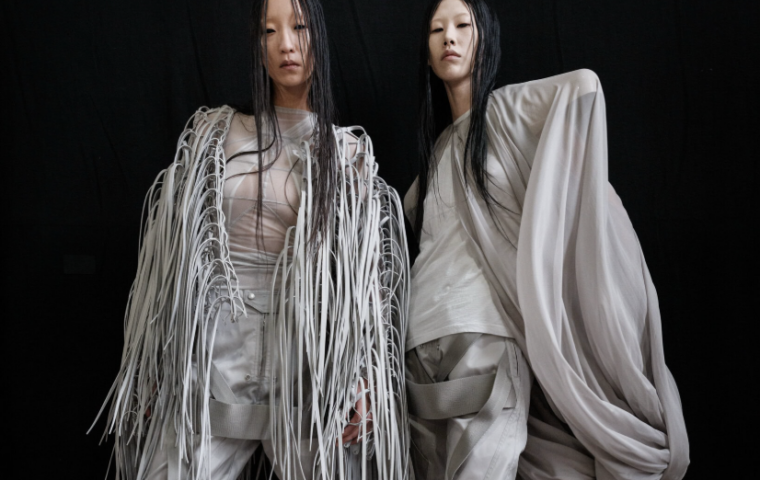
An editorial index examining the community, scarcity, mythology and cultural longevity behind ten cult fashion labels.
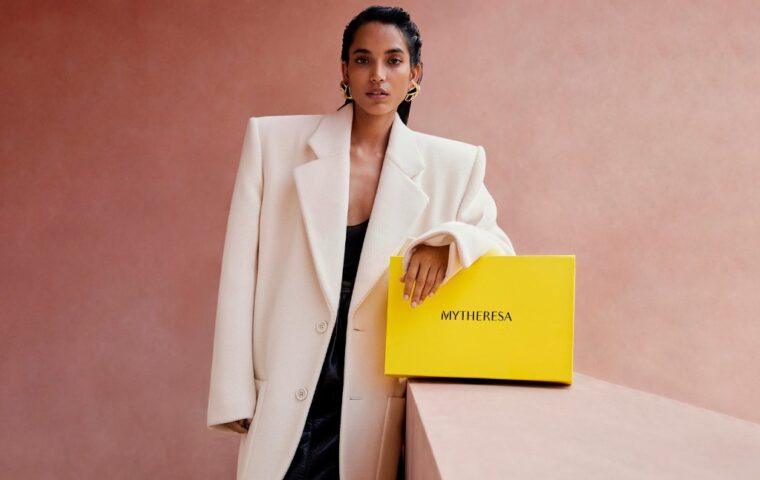
An analysis of estimated organic search demand for luxury labels on Mytheresa during the first half of 2026.

A January 2026 comparison of leading fast-fashion websites using estimated worldwide monthly visits.
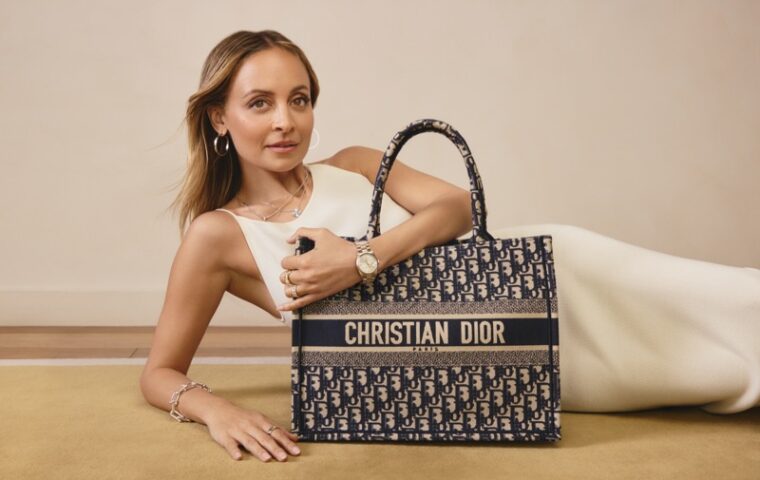
A traffic-based comparison of ten luxury and fashion resale platforms using estimated monthly visits.

An editorial influence ranking comparing ten global luxury maisons on a 100-point scale.
Your RetailBoss feed
Create a free account to follow the brands and topics you care about. Your choices are saved and ready whenever you return.
Following is a saved on-site preference. It does not subscribe you to email alerts.
Members-only article
Join free to keep reading RetailBoss fashion coverage, industry analysis, and market intelligence.
Free access. No credit card required. Your account is created after you verify your email.

RetailBoss is an independent global news publication and business insights platform built for executives, founders, operators, analysts, marketers, investors, and brand leaders. Our reporting covers the retail shifts across luxury, fashion, beauty, technology and marketing strategy.
We prioritize news value, evidence, attribution, and practical relevance to retail decision-makers. Sponsored work is identified, and editorial coverage is kept distinct from commercial partnerships.