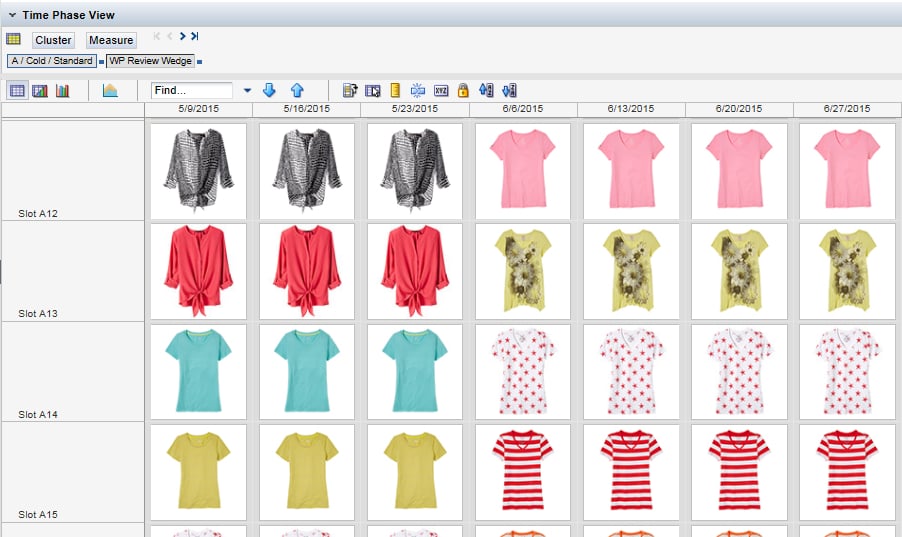
Assortment planning in fashion retail is a strategic process that involves selecting the right mix of products to offer in various stores and through different sales channels, ensuring that the assortment matches the preferences and buying habits of the target customer base. Essentially, it dictates what products will be available, in what quantities, and where and when they should be available. This planning strategy drives sales by aligning product availability with consumer demand, seasonality, and specific location needs. Proper assortment planning ensures that the right products are available at the right time and place, thus optimizing the balance between product variety and depth.
Why Assortment Planning is Essential
Retailers face complex challenges in assortment planning, including handling an extensive array of SKUs (stock-keeping units), rapidly evolving consumer preferences, and constrained shelf space. Effective assortment planning helps retailers cater to their customers’ specific tastes and habits, capitalize on store strengths, and…
maximize sales. With such strategic planning, a one-size-fits-all approach would succeed most retailers. Types of Assortment Planning Strategies Different strategies in assortment planning cater to varying retail needs, emphasizing either product range or depth to ensure optimal customer satisfaction and sales performance.
Below are the primary types: Wide Model: This approach offers a wide variety of products and styles, intending to appeal to a broad range of customers. Retailers usually employ this model, targeting a diverse audience with varying tastes.
For example, hypermarkets and supermarkets typically adopt this strategy by offering an extensive range of product categories, from groceries to electronics. Deep Model: Under this model, retailers narrow their focus on fewer product lines but offer more significant variations within those lines.
For instance, a men’s clothing store might carry several styles of business casual pants, each available in multiple brands, colors, and sizes. Scrambled Assortment: This strategy involves selling products outside a retailer’s primary category to attract additional customers…
Discussion
0 Comments
No comments yet
Start the conversation
Share your take on this story and help shape the discussion.
Sign in to join the discussion.