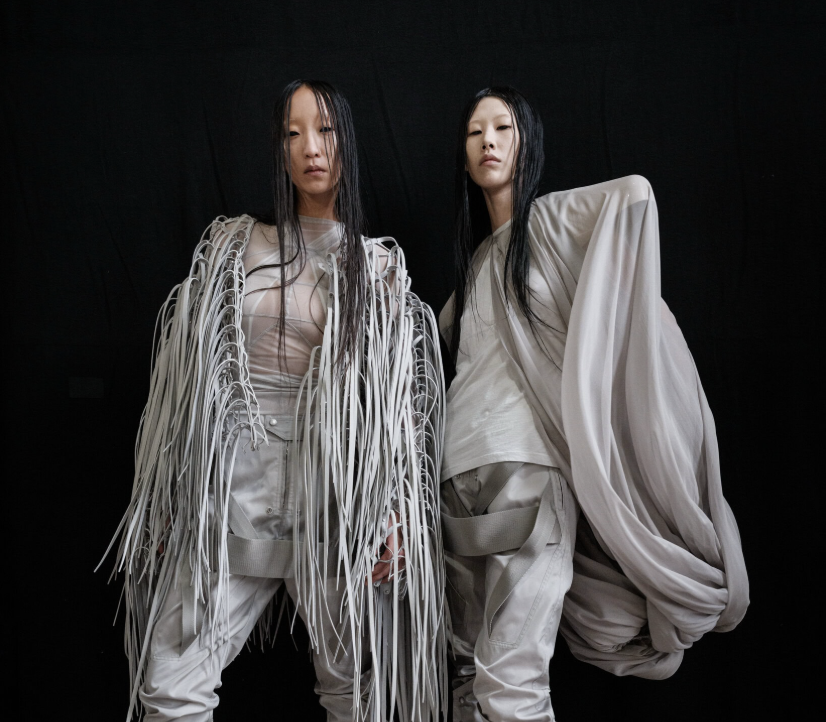
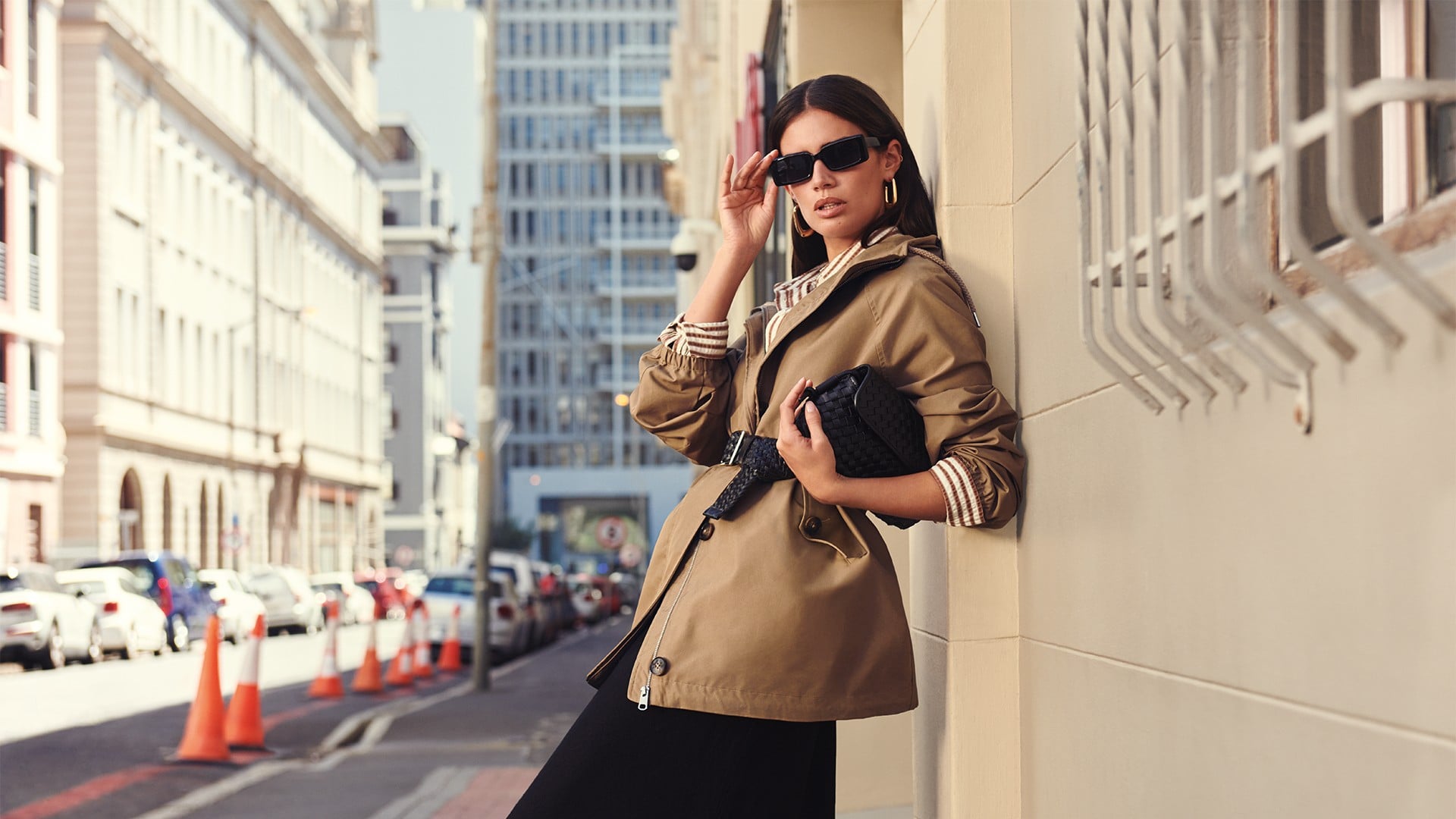
Kering is in a transition era where Gucci still anchors the group’s earnings power, but “quiet” and “street” luxury engines like Bottega Veneta and Balenciaga are increasingly shaping how its future mix looks.
Inside Kering’s Luxury Ecosystem
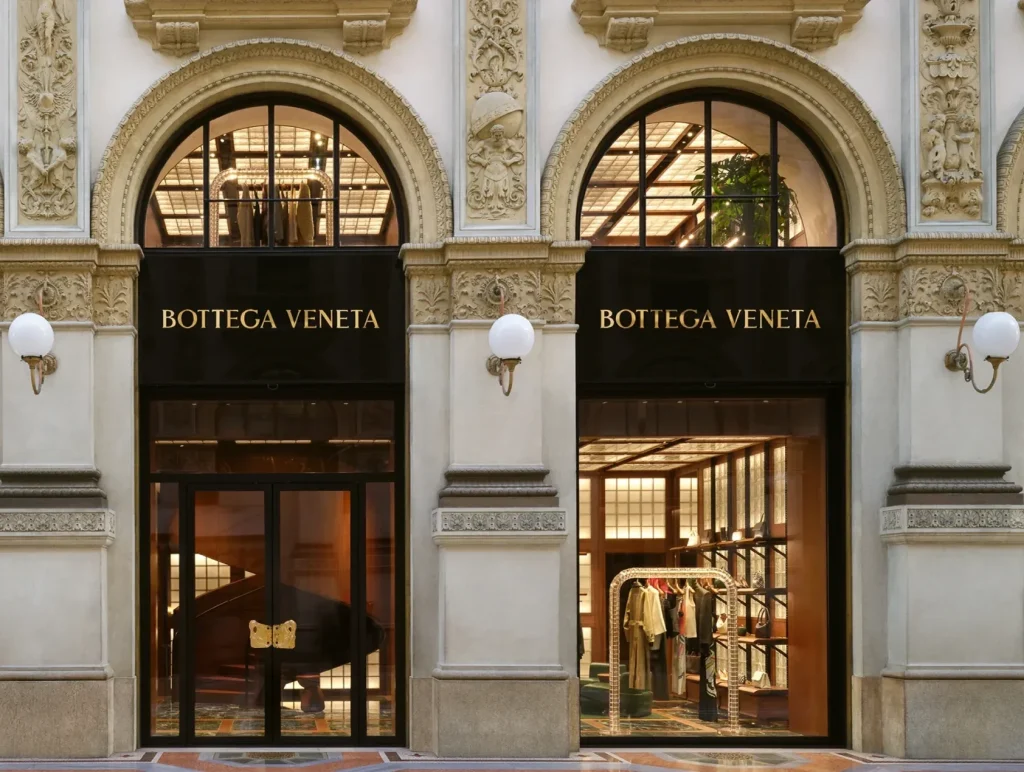
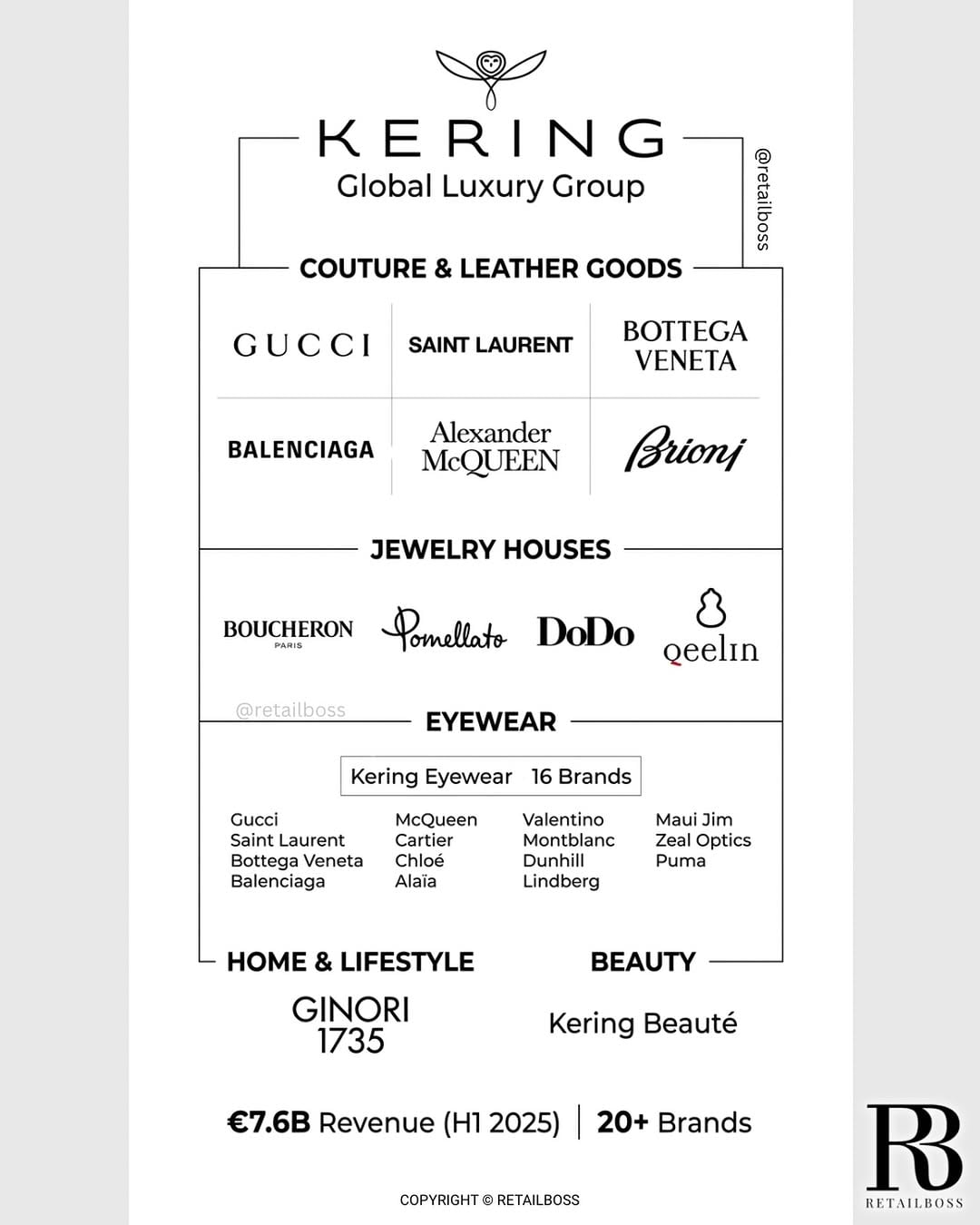
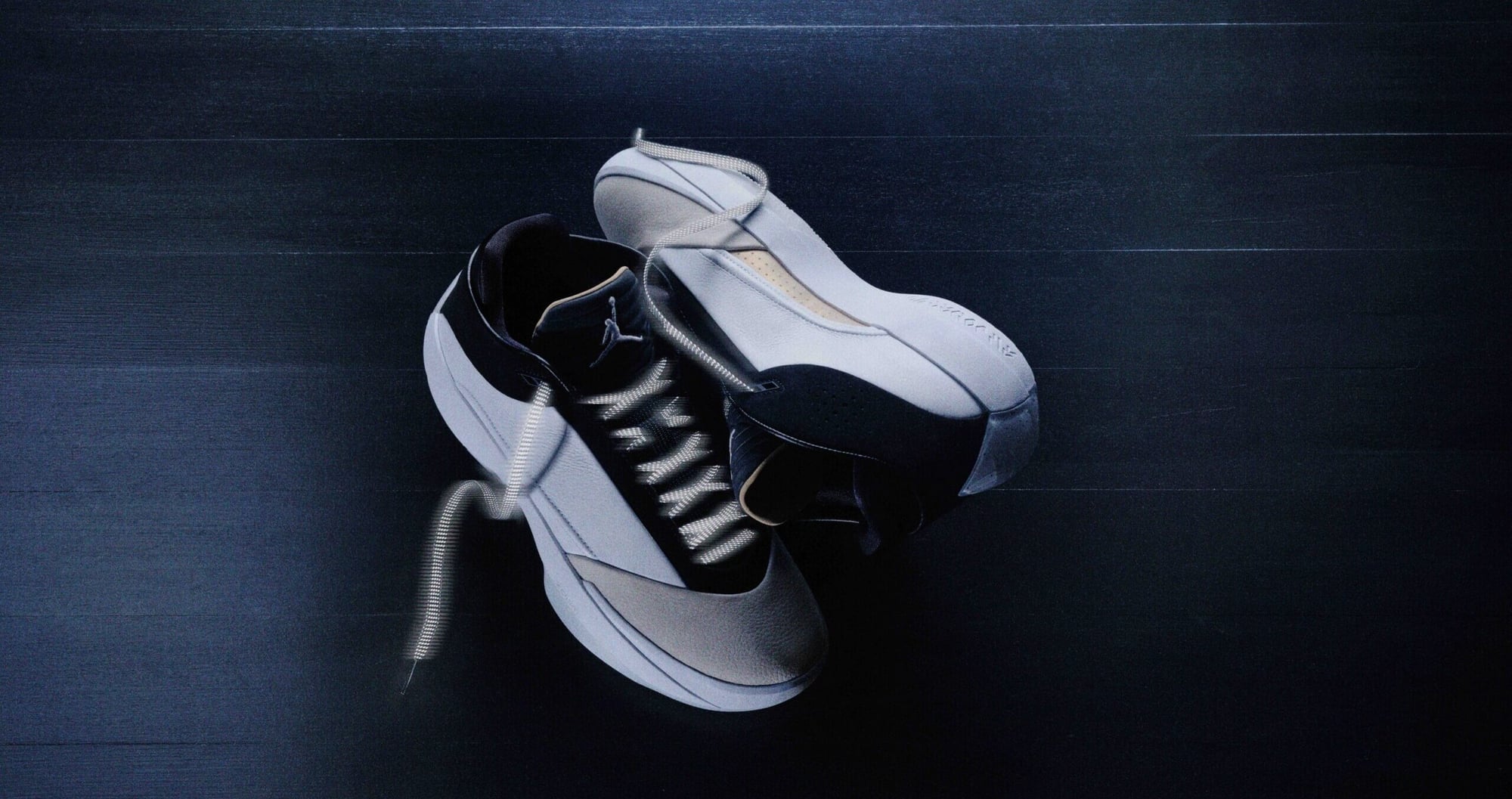
As a global luxury group, Kering clusters its portfolio into fashion and leather goods, jewelry houses, eyewear, and beauty, all managed under a central strategy but with distinct creative identities. The core fashion cluster includes Gucci, Saint Laurent, Bottega Veneta, Balenciaga, Alexander McQueen, and menswear tailor Brioni, which together define the group’s presence in ready‑to‑wear and leather goods.
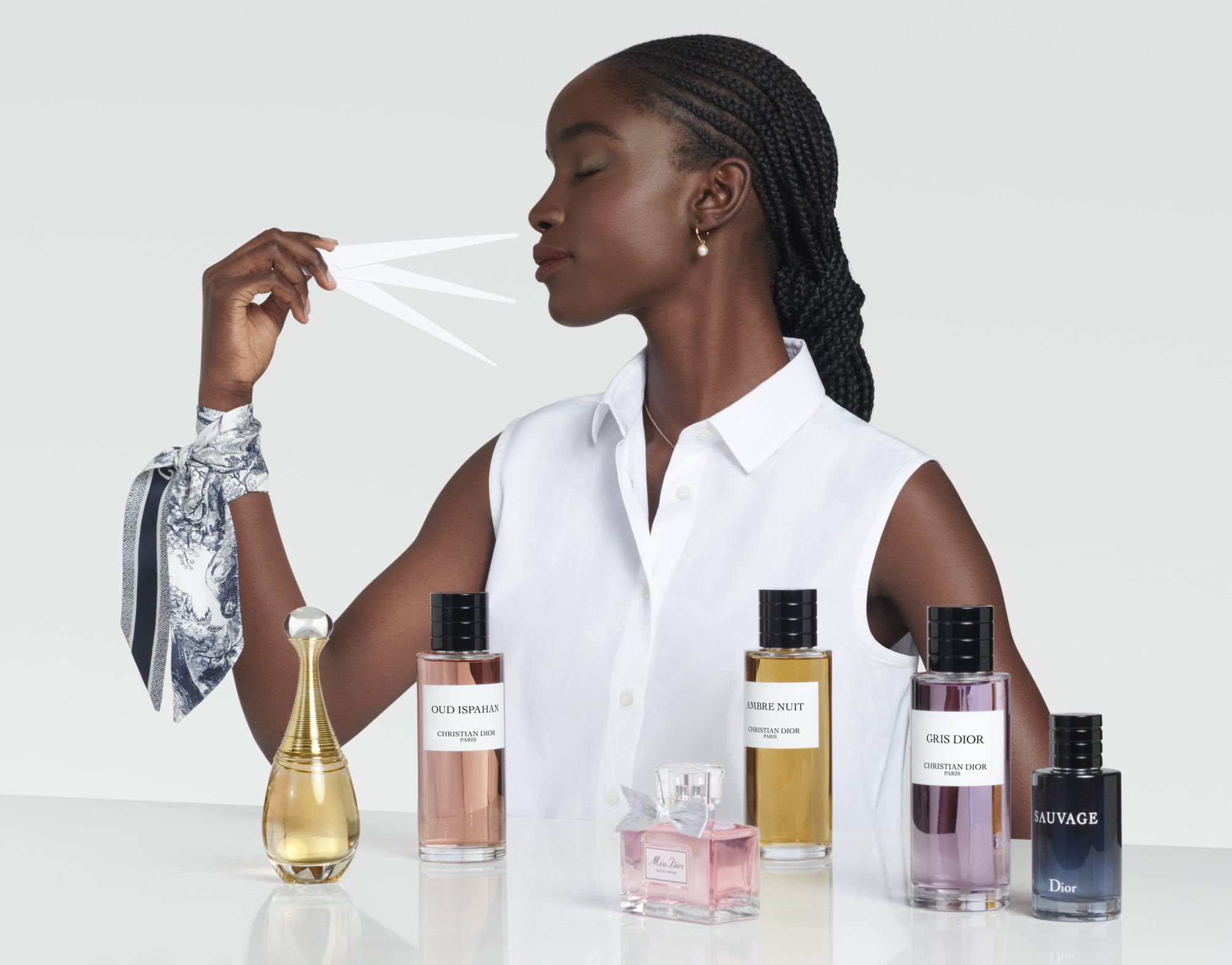
Beyond fashion, Kering also owns jewelry houses Boucheron, Pomellato, DoDo, and Qeelin, plus heritage porcelain maker Ginori 1735, along with Kering Eyewear and Kering Beauté for sunglasses, optical frames, and fragrance or beauty licenses. This multi‑category footprint means the group now touches handbags, apparel, jewelry, eyewear, home, and scent, giving it more levers than pure…
fashion alone. What The Numbers Say According to Kering’s first‑half 2025 results, group revenue came in at €7.6 billion, down 16% year on year as luxury demand softened and repositioning efforts weighed on short‑term performance.
Fashion and leather goods remain the largest division, but the Kering Eyewear and Corporate segment, which includes Kering Beauté, generated about €1.1 billion in the half and actually grew in low single digits, underlining the importance of diversification.
External analysis estimates that Gucci still accounts for roughly 40–50% of group revenue and around half of operating profit, even after a strategic reset and recent sales declines.
A memo reported by Reuters describes a plan to gradually “rebalance” this exposure, while acknowledging that reviving Gucci’s desirability remains a top priority.
Discussion
0 Comments
No comments yet
Start the conversation
Share your take on this story and help shape the discussion.
Sign in to join the discussion.