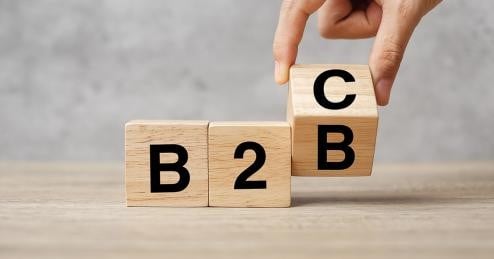
What B2B means in retail In a B2B model, a company’s primary customers are other businesses such as retailers, wholesalers, restaurants, or corporate buyers. For example, a fashion wholesaler supplying inventory to independent boutiques or a software platform selling retail POS systems to store chains are operating B2B.
Transactions are usually larger in volume, negotiated on contract terms, and may involve invoicing, payment terms, and logistics agreements rather than instant checkout. The buying decisions are typically made by teams—buyers, finance, operations—who focus on price, reliability, and return on investment.
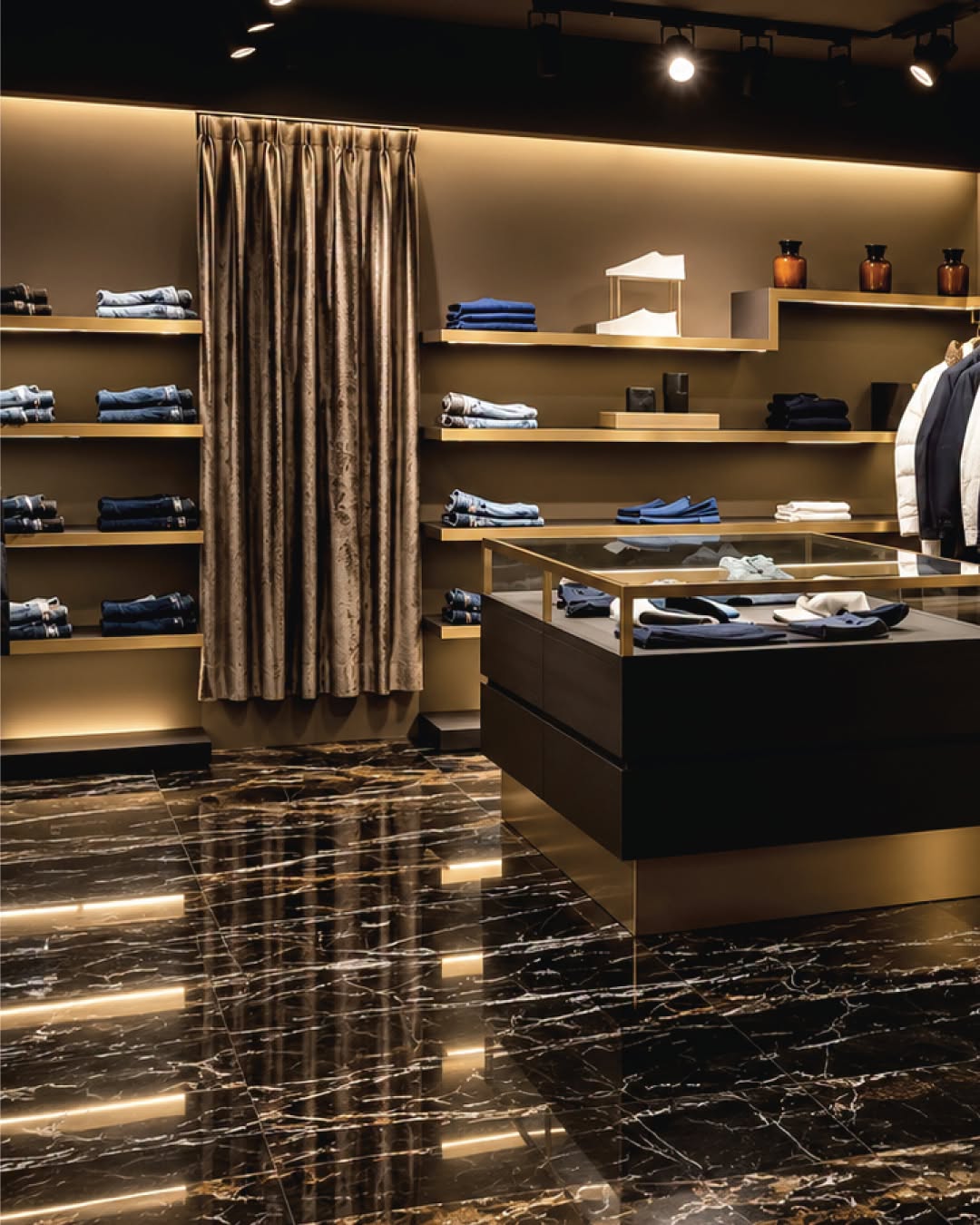
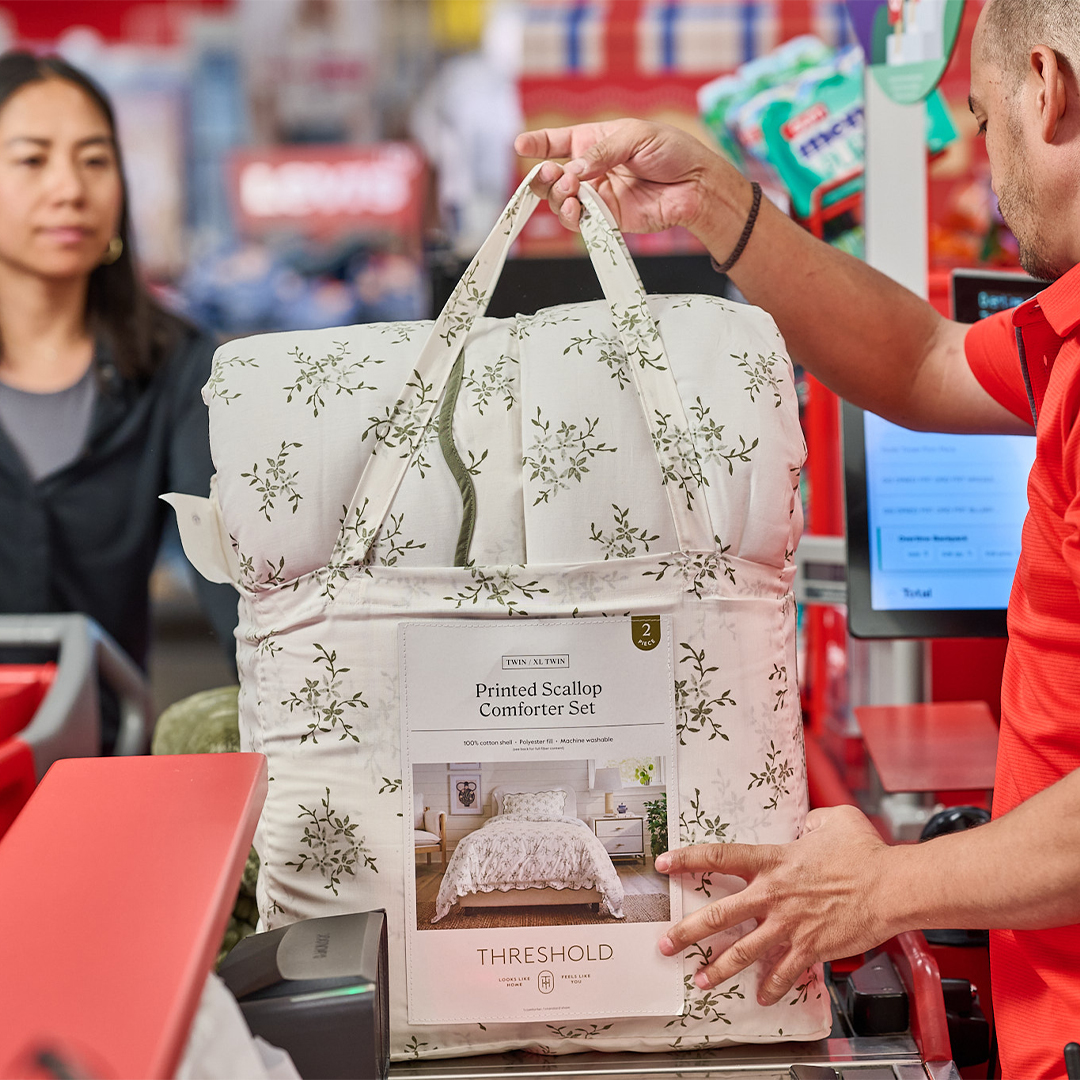
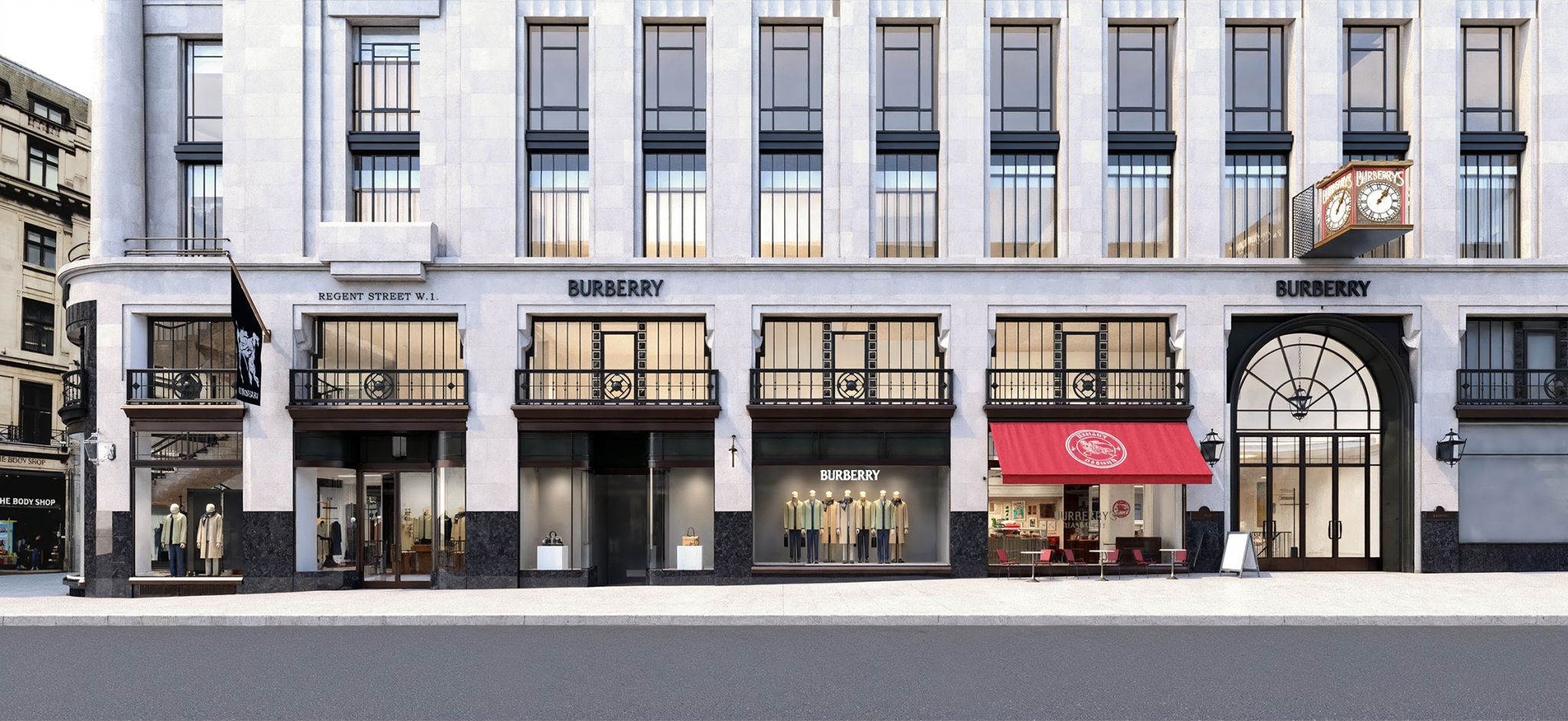
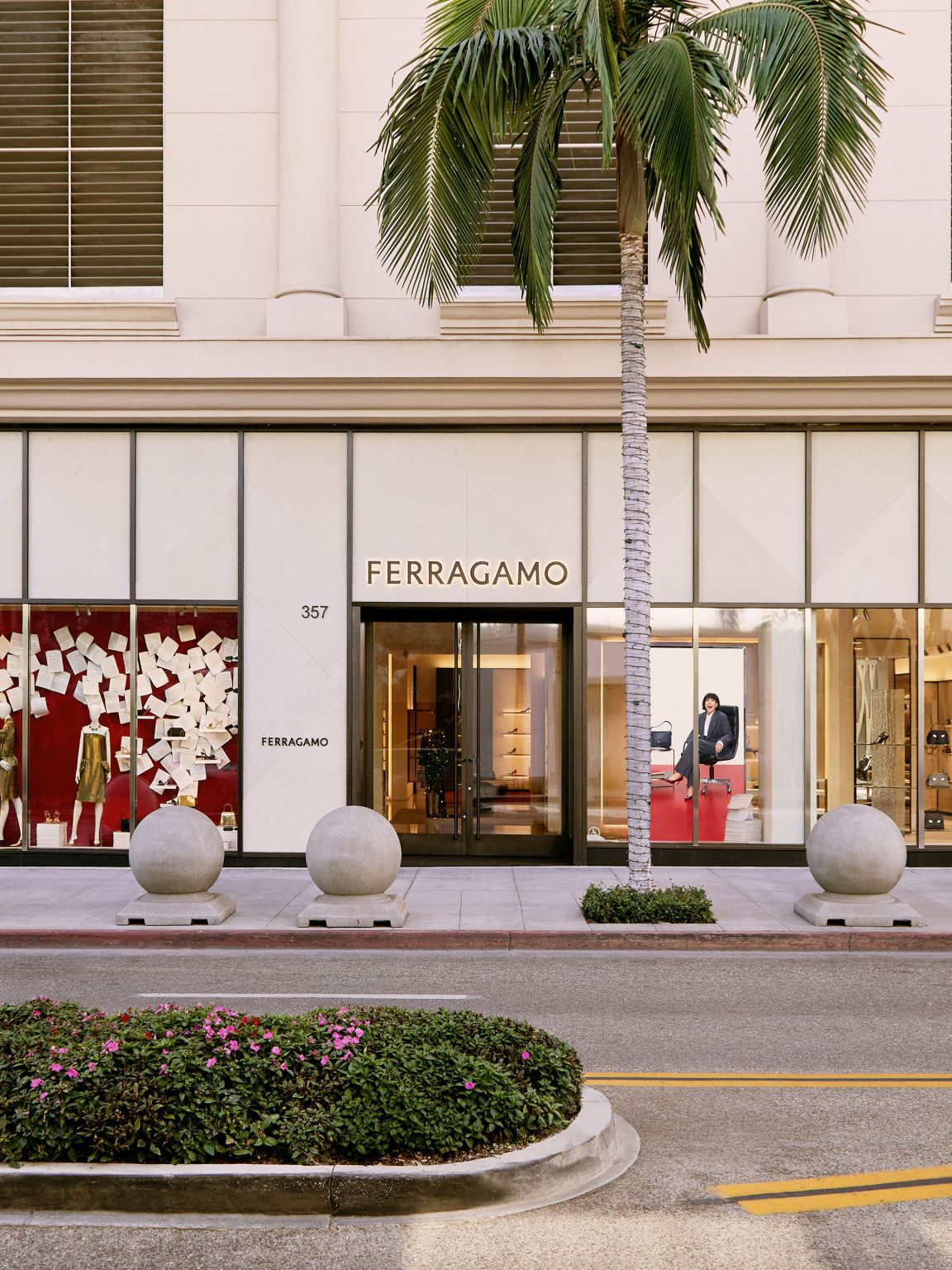
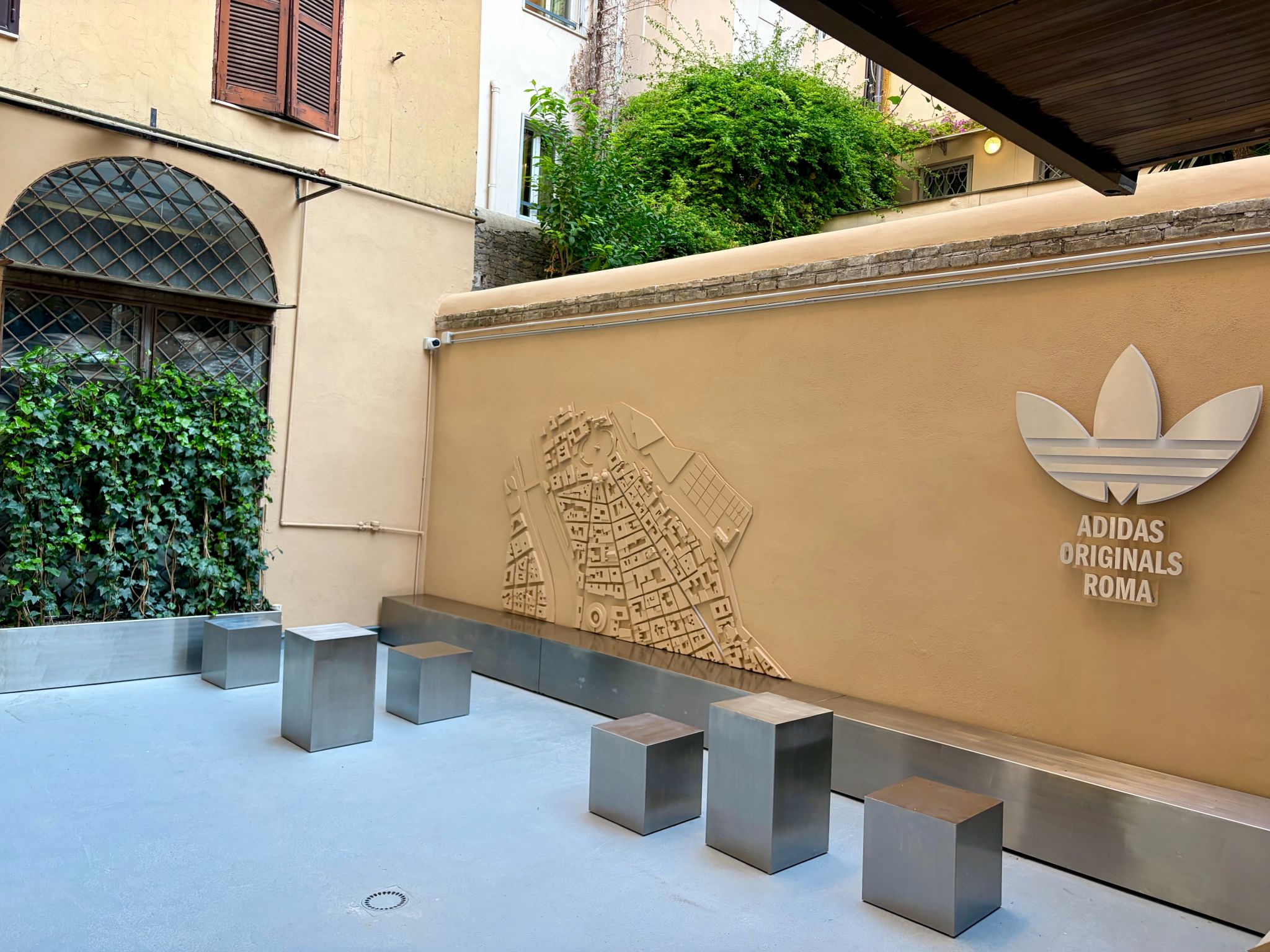
What B2C means in retail B2C stands for Business‑to‑Consumer, where a retailer sells finished goods or services directly to end consumers, often in smaller quantities for personal or household use. Examples include supermarkets, fashion chains, beauty retailers, and online stores selling straight to shoppers.
B2C transactions usually happen at a point of sale—online or in‑store—with payment made immediately by card, cash, or digital wallets. Purchase decisions are faster and more emotional, influenced by brand image, promotions, reviews, and convenience rather…