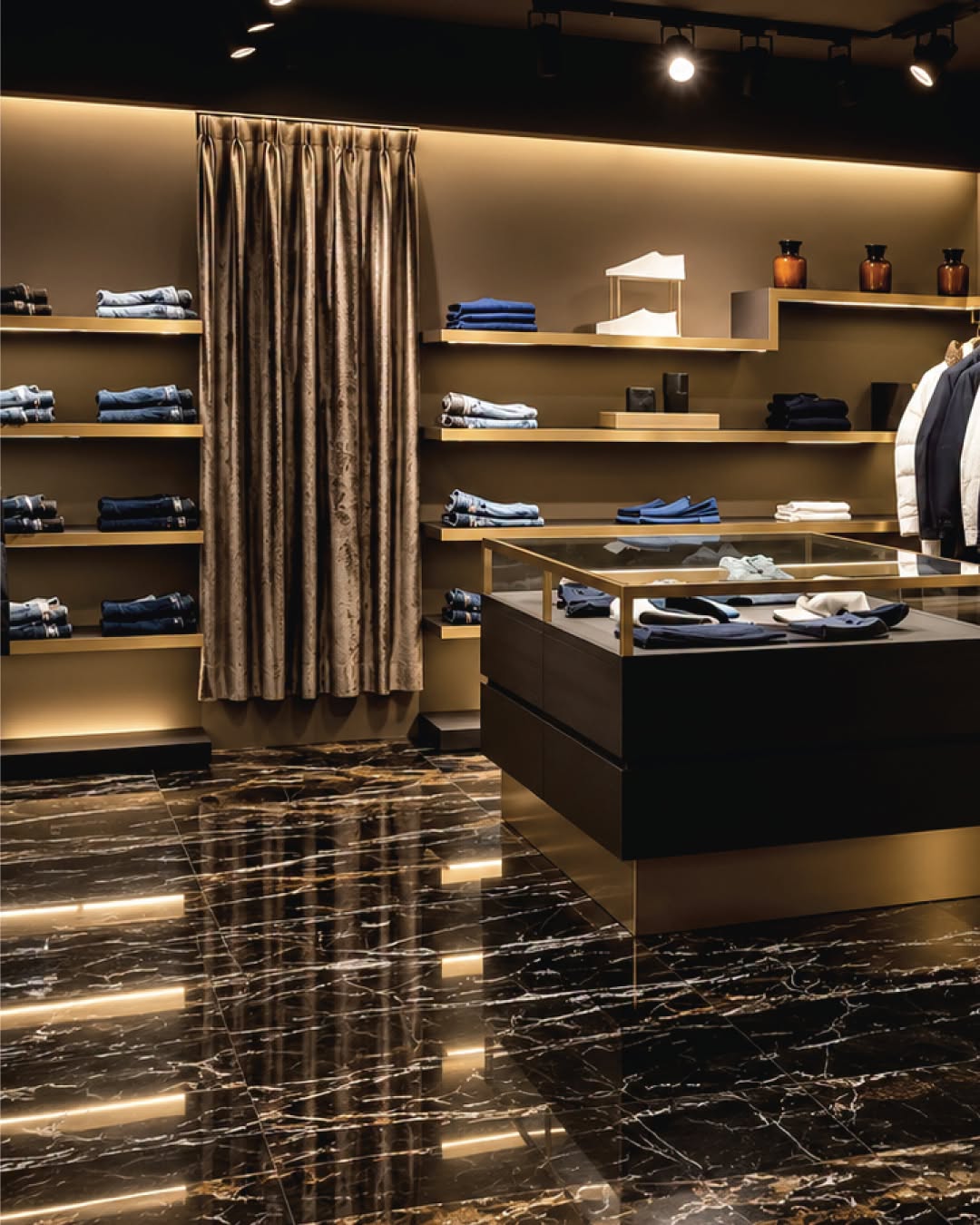
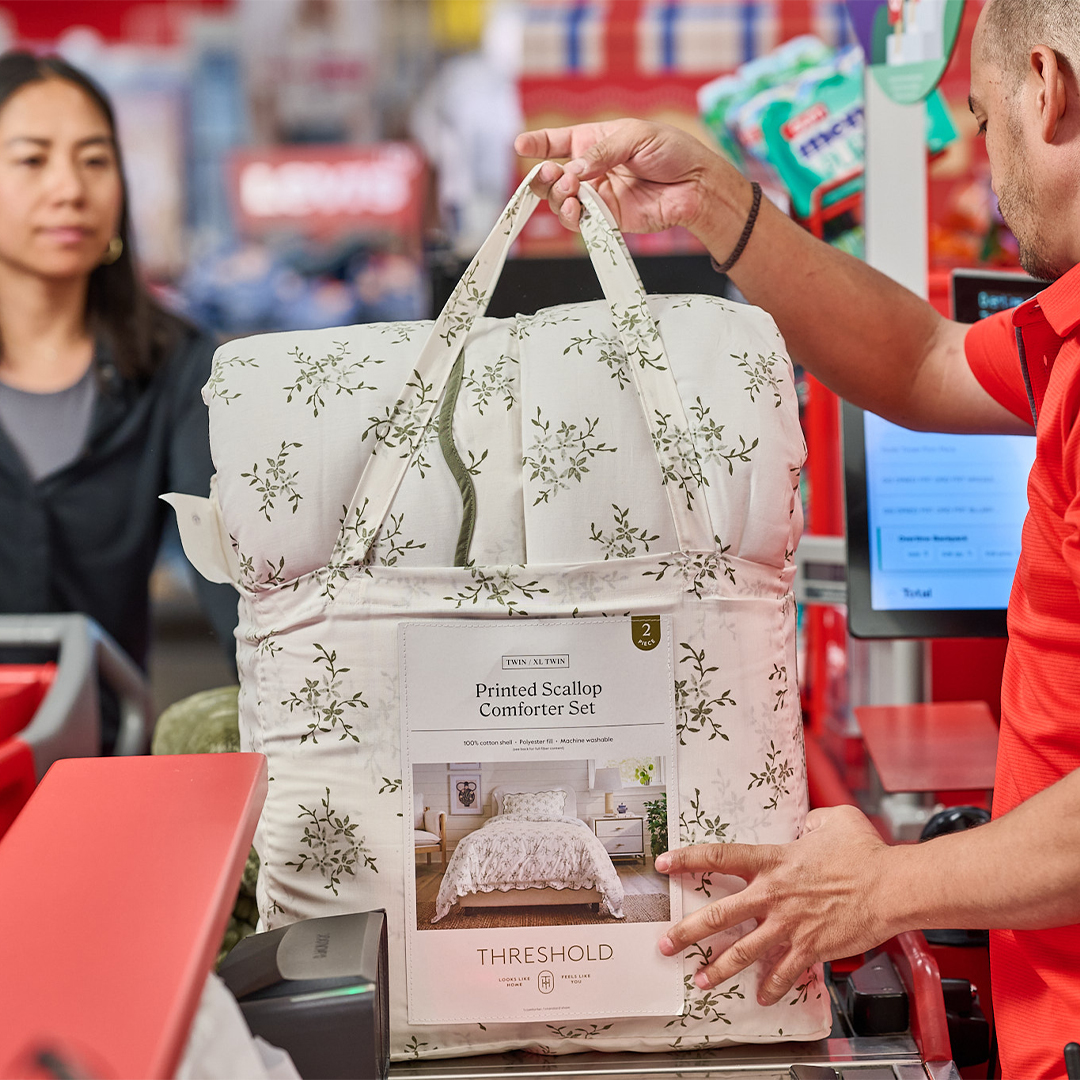
Footfall in retail is the total number of people who enter a store or shopping location in a given time period. It is a core health metric because without steady, qualified traffic, even the best products and pricing will struggle to convert into sales.
In retail, footfall (also known as store traffic) refers to the number of shoppers who physically visit a store, mall, or a defined area (such as a department or concession) per hour, day, week, or month. Retailers usually track this using door counters, camera analytics, Wi‑Fi signal, or sensor-based systems.
On its own, footfall does not show how much people spend, but when combined with conversion rate (the share of visitors who buy) and average transaction value, it becomes a powerful way to understand store performance and compare locations.
Footfall is the starting point of the sales funnel…
in brick‑and‑mortar retail. More visitors mean more chances to sell, provided the experience, assortment, and pricing are strong. Sustained declines in footfall, even with good conversion, usually indicate issues with location, marketing, competition, or brand relevance. It also guides operational decisions.
Knowing when and how many people visit helps retailers plan staffing, stock levels, and visual merchandising, as well as evaluate whether marketing campaigns or new store layouts are actually bringing more people through the doors.
How retailers measure and read footfall Most retailers measure footfall at each entrance and aggregate counts over time to see trends by hour, day, and season. More advanced setups separate out staff and deliveries and track movement inside the store to show which zones attract attention and which are ignored.
By pairing footfall data with POS data, retailers can calculate conversion (transactions ÷ visitors) and sales per visitor (sales ÷ visitors). This reveals whether a store has a traffic problem, a conversion problem, or both—and supports fair comparisons across different formats and locations…
Discussion
0 Comments
No comments yet
Start the conversation
Share your take on this story and help shape the discussion.
Sign in to join the discussion.