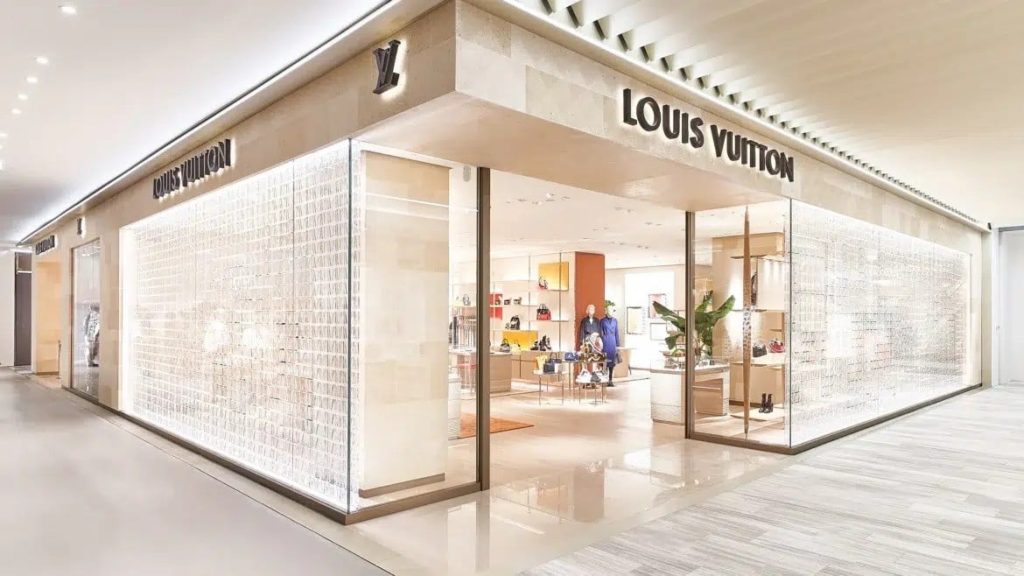
The global luxury market, faced with rapid changes in consumer demographics, economic power, and digital transformation, is increasingly turning toward Canada and China as pivotal international anchor markets in 2025. Industry analysts and executives agree that Canada represents a significant opportunity for global luxury brands looking to expand by opening stores in a market with room for further growth, while China continues to dominate the luxury scene, accounting for nearly half of global luxury sales by 2025.
Rising Affluence and Urban Expansion
Canada’s luxury market is attracting headline brands like Loewe, Maison Margiela, Chaumet, and Miu Miu, drawn by robust growth in wealthy urban centers such as Toronto and Vancouver. Canada features a growing population of affluent residents, a growing number of Chinese residents, students, and tourists—all fueling expansions of luxury brands into the country. Toronto’s Yorkdale Shopping Centre, now generating billions in annual sales, stands out as a North…
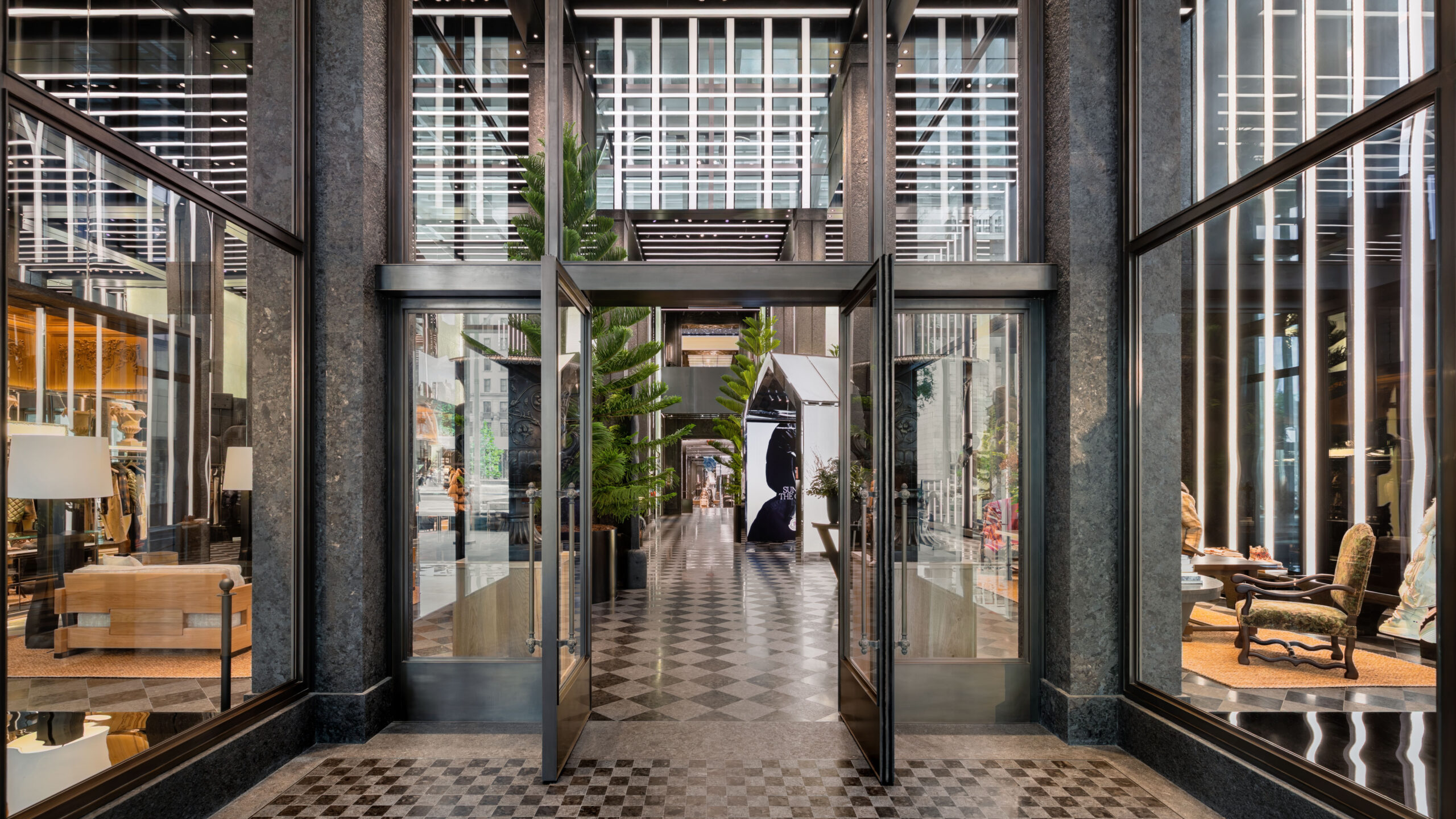
American leader—offering retail destinations that cluster world-class attractions, fine dining, and unique anchors like Holt Renfrew and Harry Rosen within close proximity to luxury hotels and cultural amenities.
Meanwhile, in China, luxury brands are recalibrating to engage increasingly discerning consumers in high-growth metropolitan hubs such as Shanghai, Beijing, Chengdu, and Shenzhen. China’s luxury market rebounded from pandemic lows and is projected to reach a billion in 2025.
The new luxury consumer in China is younger, driven by digital sophistication, and increasingly polarized between value and exclusivity. For many brands, store expansion in China now means flagship launches in Shanghai before Milan or Paris and Lunar New Year campaigns as important as Christmas ones.
The Digital and Experiential Edge Both Canada and China have adopted digital transformation as a central pillar for luxury retail. With over 20% of luxury sales now coming from digital channels, brands are focusing on data-driven personalization, e-commerce integration, and immersive omnichannel experiences…
Discussion
0 Comments
No comments yet
Start the conversation
Share your take on this story and help shape the discussion.
Sign in to join the discussion.