From the bustling streets of Paris to the artisanal workshops of Italy, the origins of these iconic bags are as fascinating as the designs themselves. This article delves into the rich histories and cultural inspirations behind 15 of the most prestigious luxury bag brands. Whether you’re a seasoned collector or an aspiring fashionista, join us on a journey through the legacy and allure of brands like Louis Vuitton, Chanel, Hermès, Fendi, Prada, Jacquemus, Chloé and more. Discover the origins of these luxury brands, manufacturing locations, and handbag creation process.
1. Louis Vuitton
Country of Origin: France
Manufacturing Locations: Louis Vuitton‘s leather goods collections are produced in workshops in France, Spain, Italy, and the United States. Specifically, their footwear and Ready-to-Wear collections are manufactured in France and Italy, while watches are exclusively made in Switzerland. As of early 2021, some Louis Vuitton bags are also made in the United States, with…
workshops in California and Texas. Manufacturing Process: Louis Vuitton bags are crafted from a variety of materials, including coated canvas, various types of leather, and exotic skins. Authentic Louis Vuitton bags are handmade by experienced craftsmen who take pride in producing impeccable products.
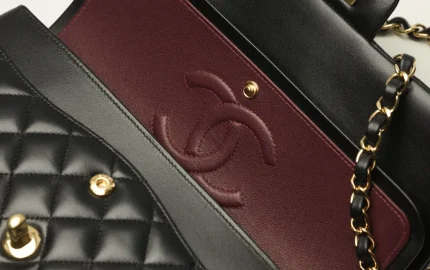
Genuine LV bags feature a date/location stamp, typically found on a small tab inside an interior pocket, where the handles attach, or underneath a small interior flap. 2. Chanel Country of Origin: France Manufacturing Locations: Chanel bags are made in France, Italy, and sometimes Spain.
The brand’s ready-to-wear and haute couture collections are primarily made in France, while jewelry manufacturing has expanded to Italy and Spain. High-end jewelry pieces are exclusively made in their Parisian atelier near the Place Vendome.
Manufacturing Process: Depending on the design and materials used, the production process can involve both hand-stitching and machine-stitching. A detailed exotic-skin bag can take up to 18 hours to produce, involving 180 procedures and up to 15 people…


Discussion
0 Comments
No comments yet
Start the conversation
Share your take on this story and help shape the discussion.
Sign in to join the discussion.