The good news is that you can turn waste from a cost center into something predictable and controlled. When you understand your responsibilities and set up simple, practical systems, you cut costs, keep inspectors happy, and show customers that your store is run with intention. 1.
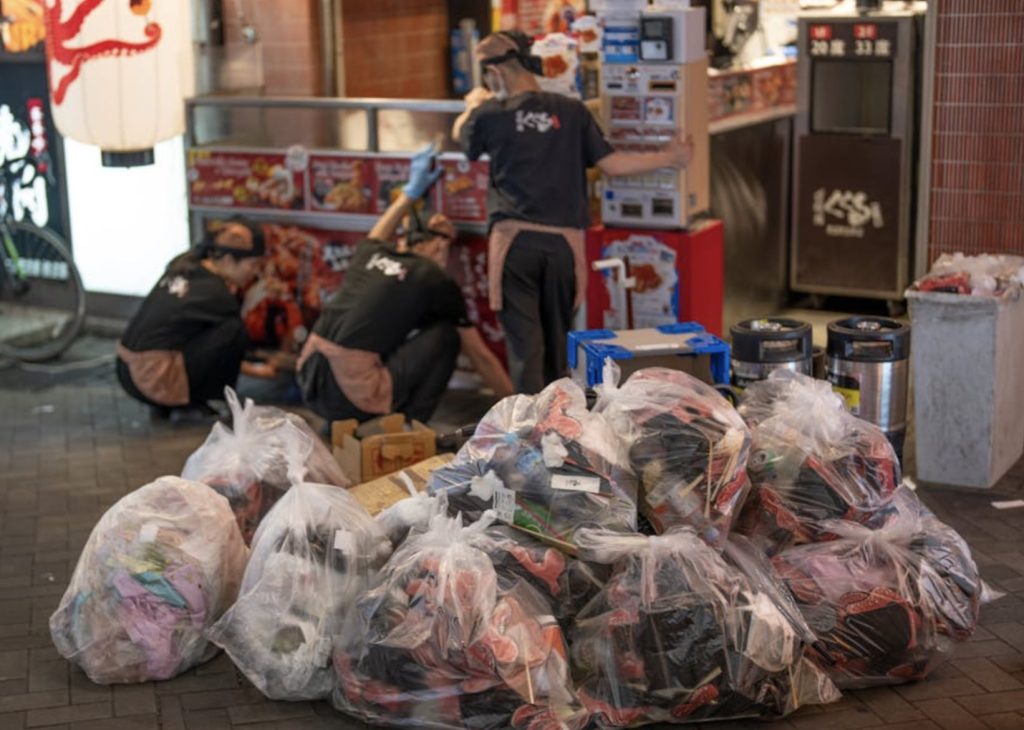
Understand What Counts as Retail Waste Today Retail waste includes packaging, food or product spoilage, returns, electronics, batteries, cleaning supplies, and even promotional materials you no longer use.
Cardboard, plastic wrap, and regular trash usually fall under standard commercial waste streams, while electronics, batteries, light bulbs, chemicals, and medical or cosmetic products often fall under stricter rules.
If you stock products with chemicals, aerosols, or active ingredients, some of your damaged or expired items may count as hazardous or special waste. You protect yourself by knowing which categories apply to your store and making sure each one has a clear route out of your building…