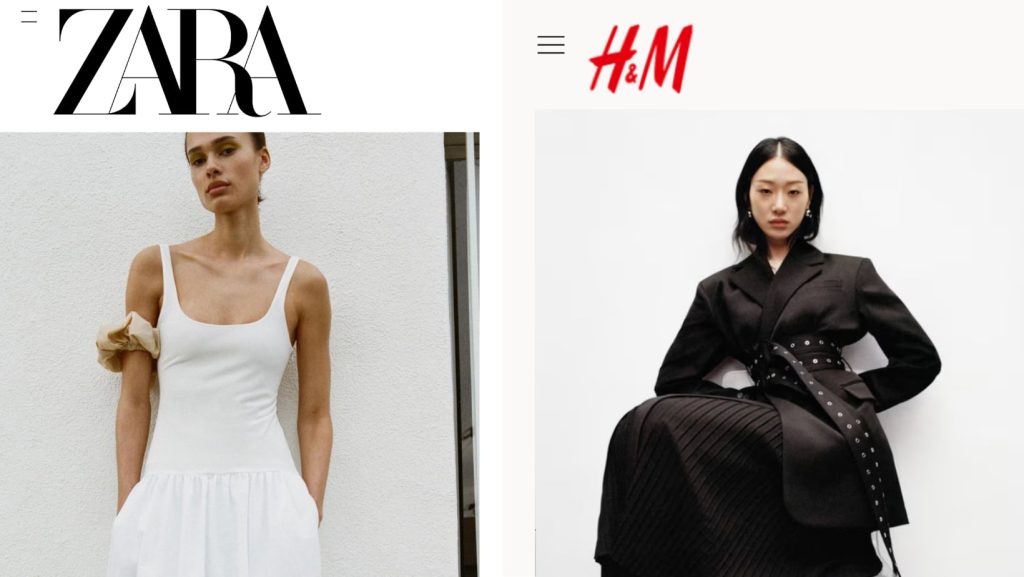
A new investigation conducted by UK-based non-profit Earthsight has revealed that H&M and Zara, two titans of the global fast fashion industry, are indirectly playing a significant role in the environmental degradation of Brazil’s Cerrado region.
Earthsight’s year-long investigation employed satellite imagery, court documents, and shipping records to track 816,000 tons of cotton exported from these controversial sources to eight manufacturers that supplied H&M and Zara. Among these suppliers were notable firms in Indonesia, Bangladesh, and Pakistan, such as PT Kahatex, Jamuna Group, and Interloop, linking the cotton directly to garments available on the sales floors across the U.S. and Europe.
The Earthsight’s ‘Fashion Crimes‘ report meticulously traced cotton certified under the Better Cotton initiative from two major producers, SLC Agrícola and Grupo Horita, directly to the supply chains of H&M and Zara. These producers have been under scrutiny by Brazilian federal and state agencies for allegations of land grabbing…
and deforestation, with a history of environmental infractions dating back to 2008. The Cerrado, a biome of immense ecological importance, is a habitat for numerous species and plays a critical role in carbon sequestration, water regulation, and soil fertility.
However, its survival is jeopardized by the relentless push for agricultural land, notably for cotton cultivation, which is a key raw material for the fast fashion industry.
This vast tropical savanna, known for its rich biodiversity, faces unprecedented threats due to deforestation and land degradation, primarily driven by agricultural expansion.
The crux of the issue lies in the sourcing practices of these fashion behemoths, which have been linked to cotton suppliers embroiled in illegal activities within Brazil…
Discussion
0 Comments
No comments yet
Start the conversation
Share your take on this story and help shape the discussion.
Sign in to join the discussion.