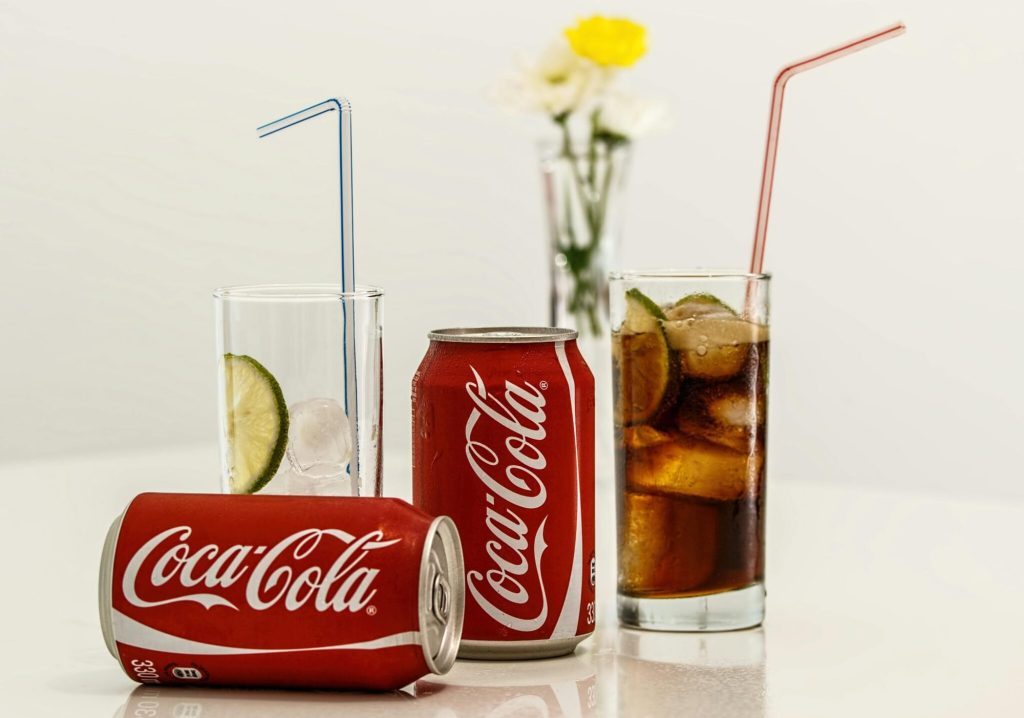
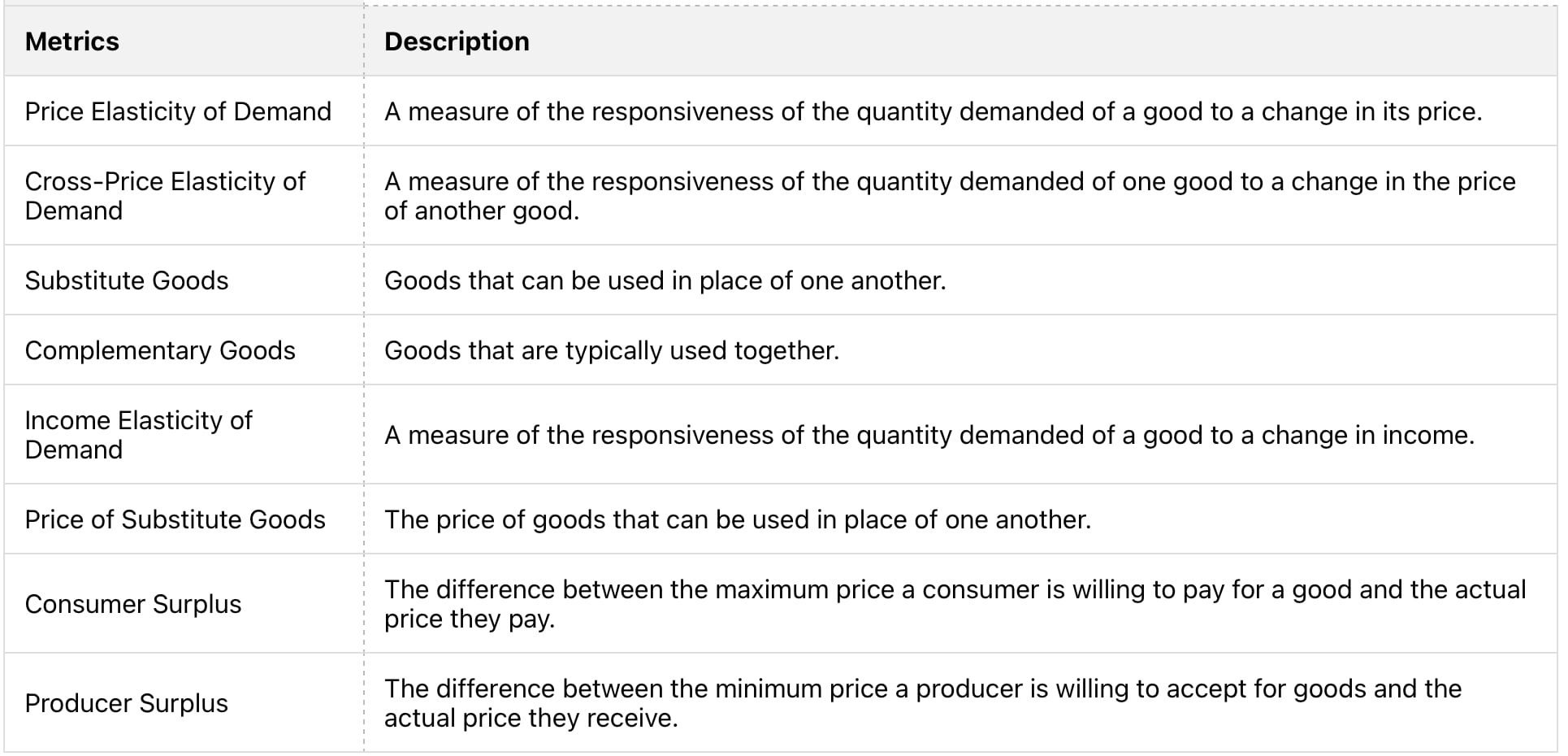
Substitute goods are products or services that can be used in place of one another; they serve similar purposes and satisfy the same basic desire or need of the consumer. When the price of one increases, the demand for its substitute is likely to rise, as consumers look for a more cost-effective alternative. These interchangeable commodities are not just theoretical constructs but have real-world implications that ripple through our daily lives—think of how tea and coffee jostle for a place in our morning routines, or the ongoing tussle between butter and margarine in the battle of the spreads.
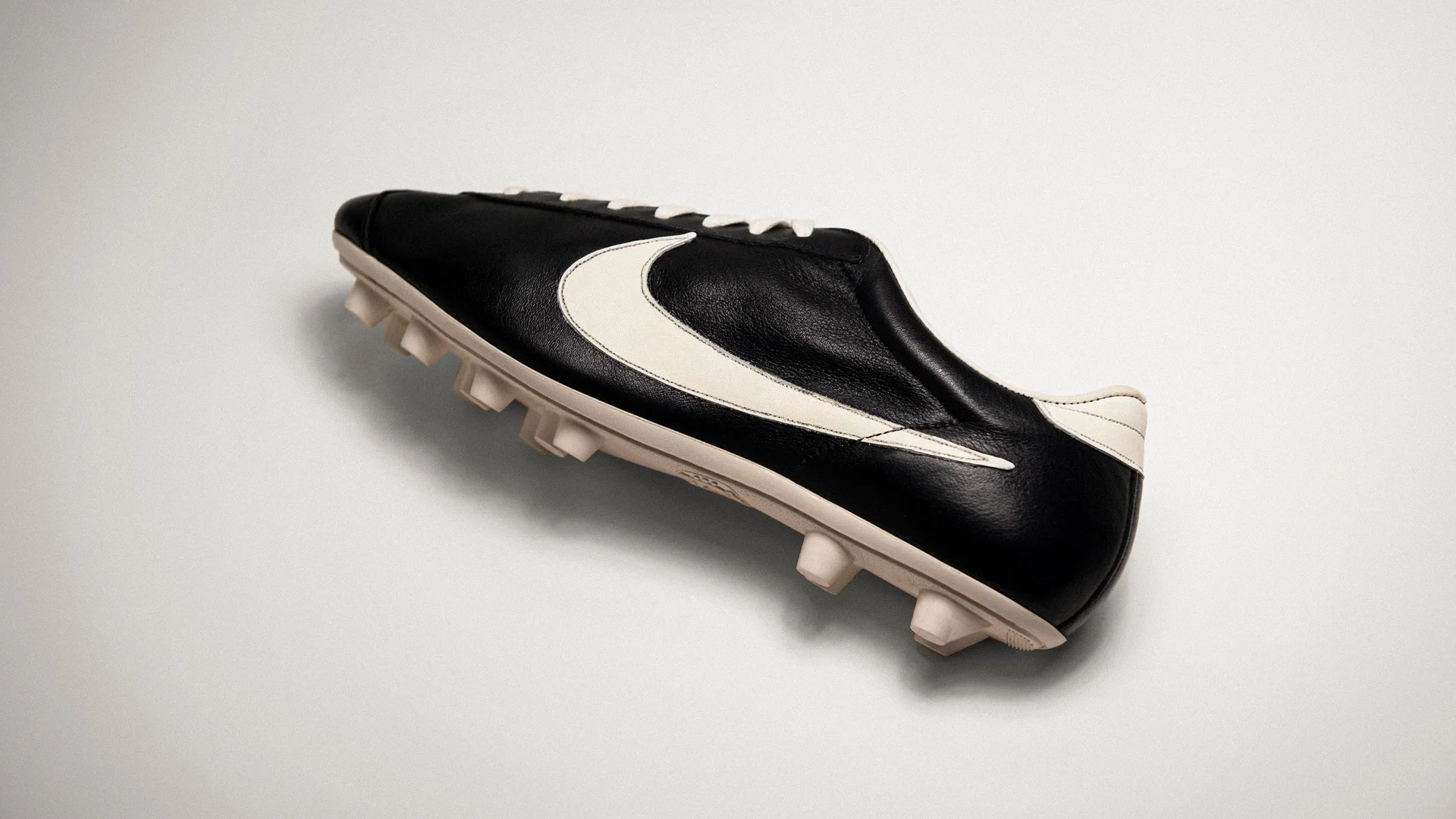
From tech gadgets that vie for supremacy with nearly identical specifications, to sports brands that offer comparable apparel to fitness enthusiasts, the examples are endless. The presence of substitute goods keeps the marketplace competitive and ensures that companies remain innovative in safeguarding their customer base. In this article, we will dive deep…
into the essence of what makes goods substitutable, illustrate with tangible examples from various industries, and explore the significant impact substitutes have on both consumer choice and corporate strategies. What is a Substitute good? Substitute goods are products or services that can be used as alternatives to each other.
When one product becomes more expensive or less available, consumers may purchase a substitute good instead. Substitute goods are crucial in consumer choice as they provide consumers with options and flexibility in their purchasing decisions.
Understanding the Concept of Substitute Goods There are two main types of substitute goods: perfect substitutes and imperfect substitutes. Perfect substitutes are identical products in every aspect and can be used interchangeably. For example, generic brands of cereal can be perfect substitutes for name-brand cereals.
On the other hand, imperfect substitutes serve a similar purpose but have slight differences. For instance, butter and margarine are imperfect substitutes as they both serve as spreads but have different tastes and textures. The availability and pricing of substitute goods can significantly impact…
Members-only article
Unlock the rest of this story
Join free to keep reading RetailBoss education coverage, industry analysis, and market intelligence.
- Full article access
- Industry analysis
- Free account
Free access. No credit card required. Your account is created after you verify your email.
Discussion
0 Comments
No comments yet
Start the conversation
Share your take on this story and help shape the discussion.
Sign in to join the discussion.