Why Retailers Are Turning To Magenta as a Design Led Licensing Partner

RETAILBOSS Team
By
RETAILBOSS Team
RETAILBOSS provides well-curated, research-driven news and insights into the trends and business aspects of the rapidly evolving retail industry.
6 Min Read
Why Retailers Are Turning To Magenta as a Design Led Licensing Partner

Magenta Inc. is redefining what licensing looks like in homewares, using brand, character, and creator partnerships to unlock new retail opportunities while stepping into a more visible role as a design led product partner.

With more than 24 years in business, over 4,000 products developed annually, and 11 active brand partnerships, Magenta is entering its next phase with a rare combination of scale, category expertise, and a challenger mindset. In 2026, the company is rolling out a strategic rebrand that positions it not just as a manufacturer, but as a partner that designs and delivers results.

The updated identity reflects a broader shift across the business, one that leans into creativity, deeper licensing collaborations, and expanded creator programs. It also signals a more intentional role as a thought partner for retailers looking to differentiate their home assortments in an increasingly competitive market. To understand this evolution, RetailBoss spoke with Principal Abby Cheng about how Magenta has grown its licensing business, what sets its model apart, and how the rebrand supports its next chapter.

From Manufacturer To Design Led Partner

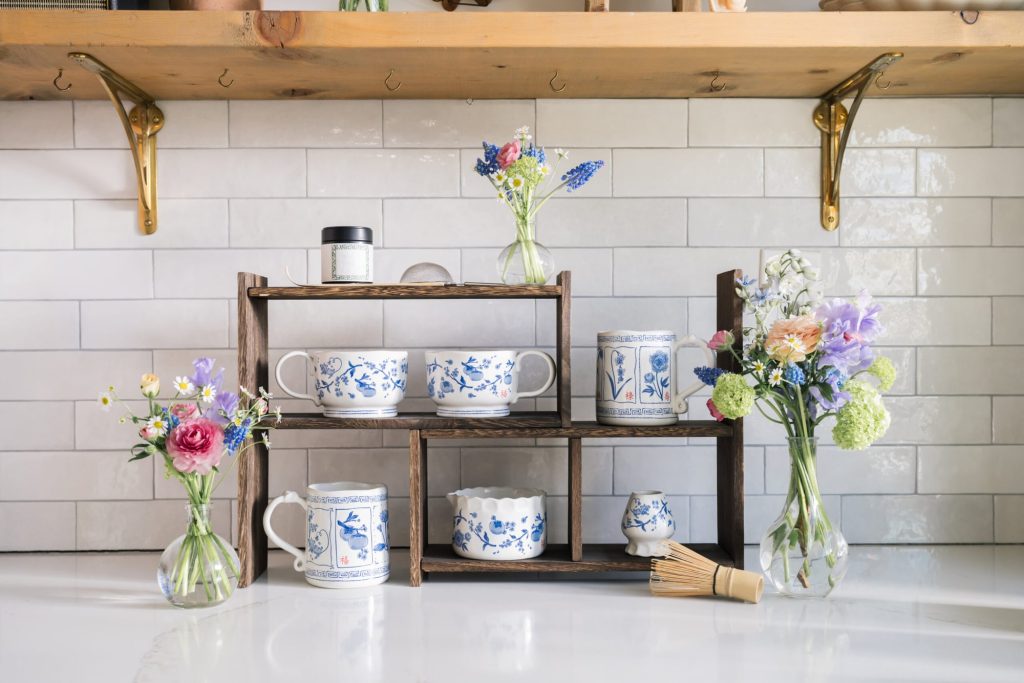
Today, licensing sits at the center of Magenta’s retail strategy, giving partners access to globally recognized brands and characters translated into shelf ready housewares. The company works across major IP including DisneyWarner Bros., and Peanuts, alongside artist driven brands like Rae Dunn, building programs that span both seasonal and everyday categories. Under second generation leadership, Cheng has helped guide the company toward a more strategic, partnership focused approach.

“Licensing became a real growth driver during COVID, sparked by an unexpected opportunity,” Cheng said. “We were initially approached by an industry peer to support licensed design execution, which led us to ask why we were not pursuing licensing directly ourselves.”

That shift led to a partnership with The Walt Disney Company. At the time, many categories were saturated, so Magenta focused on the Princess franchise, where Disney was looking to expand its partner base.

“Because we already had the infrastructure and compliance foundation in place, we were able to move quickly. From contract to shelf took just nine months, which is exceptionally fast for licensed programs.” That speed to market helped establish credibility and opened the door to additional partnerships across Disney’s core franchises, as well as Warner Bros. and Peanuts Worldwide.

Building Licensed Products With Staying Power

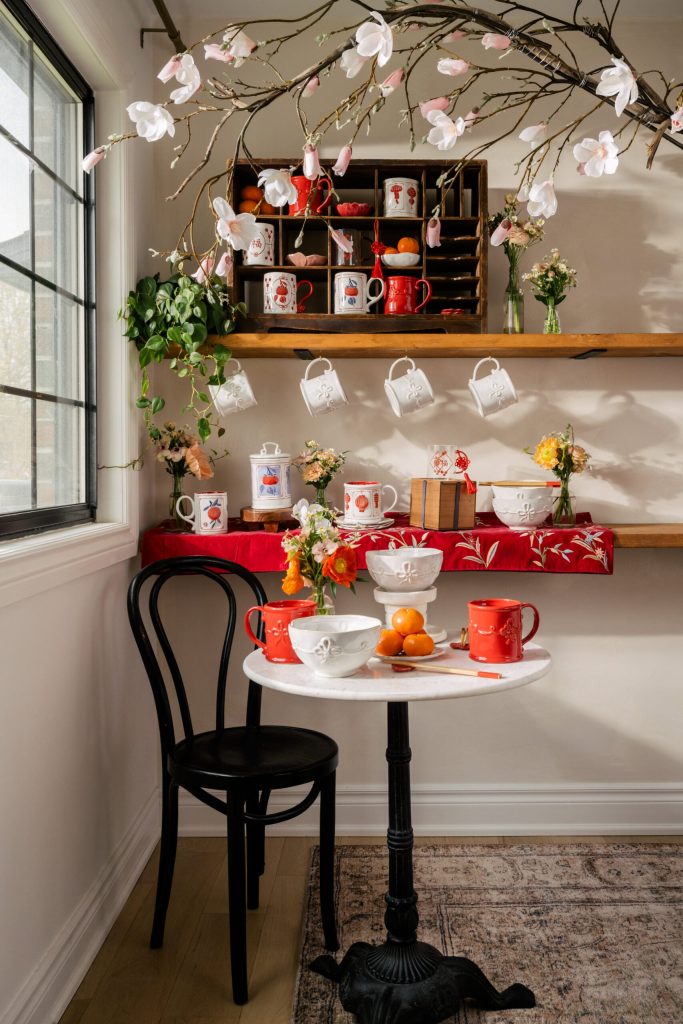
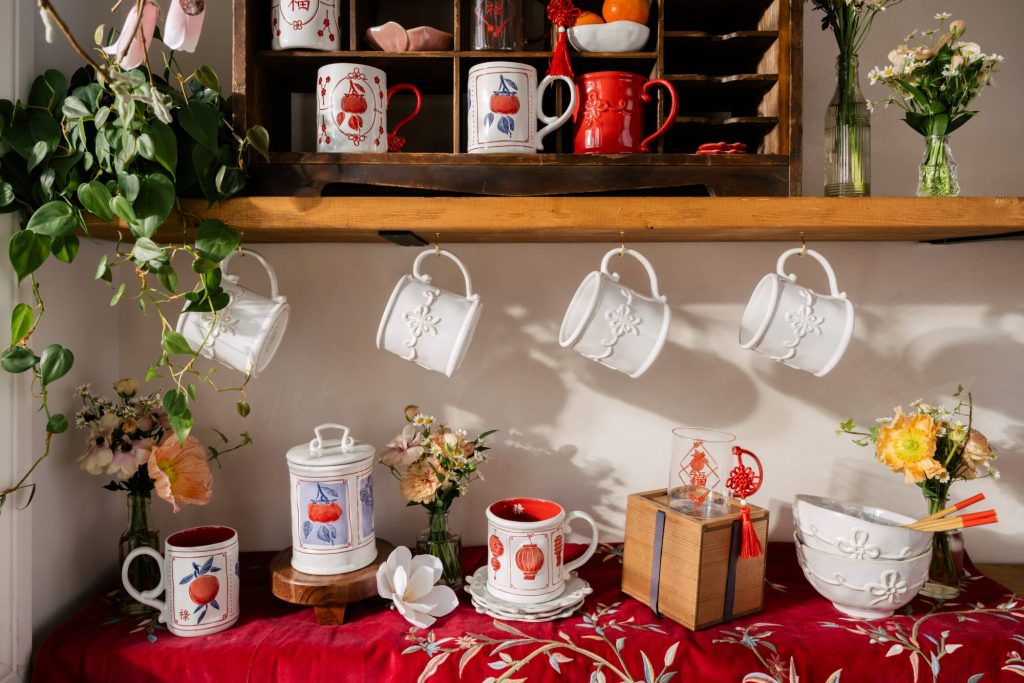
These collaborations have translated into strong retail performance, particularly across tableware, drinkware, and giftable categories. One standout example is Magenta’s partnership with Miffy, a globally recognized character with a strong design identity. “The collaboration allowed us to deepen relationships with specialty retailers like World Market and BoxLunch,” Cheng said. “It also helped shift perceptions of what licensed product can look like at retail.”

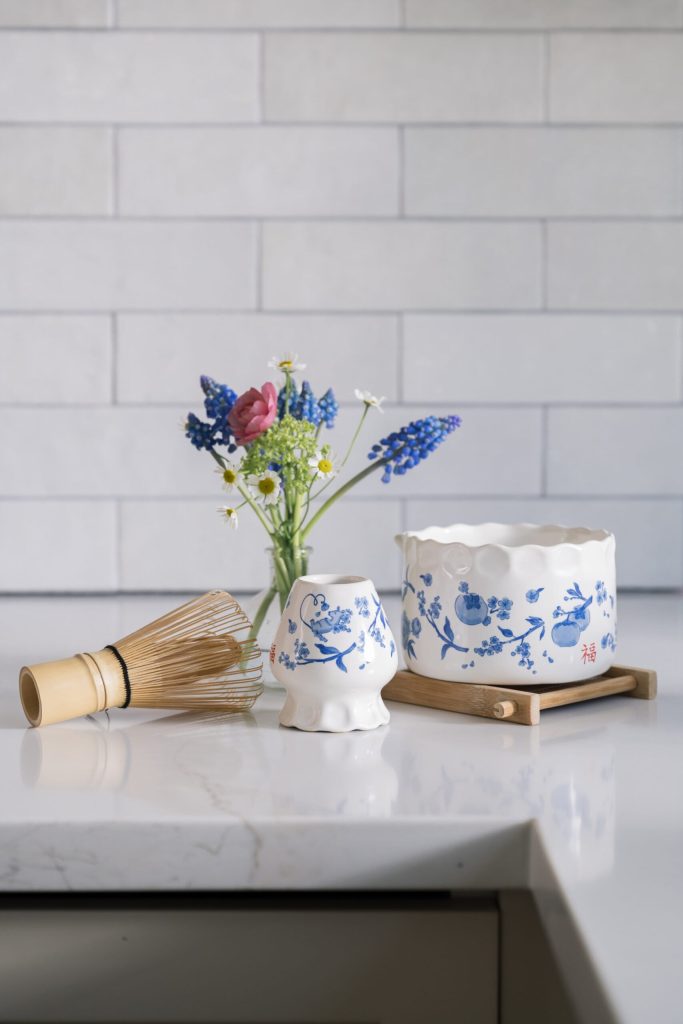
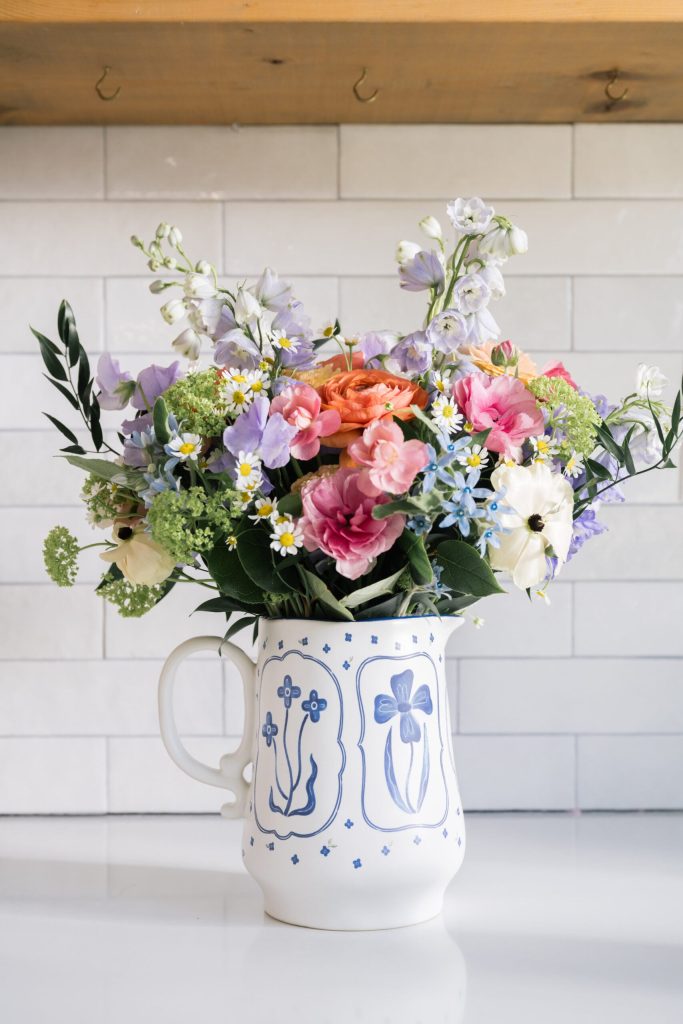
Behind each collection is Magenta’s hybrid model, which combines trend forecasting, creative direction, and technical manufacturing. Its California based team leads product storytelling and design, while a global network of more than 100 factories enables execution across materials including ceramic, glass, metal, wood, melamine, silicone, and textiles. “What makes our approach effective is the combination of design, execution, and commercial understanding,” Cheng said. “Design draws people in, but it only matters if it performs in the real world.”

This balance has become a key differentiator, particularly in licensing and creator collaborations, where maintaining brand integrity while scaling production is critical.

Scaling Creators From Screen To Shelf

Alongside established IP, Magenta is expanding its focus on creators and emerging artists, helping translate digital audiences into physical retail programs. Upcoming launches with creators including @thekwendyhome in summer 2026 and @lilyloutay in fall 2026 highlight this strategy. The goal is to provide structure, product expertise, and retail access while preserving each creator’s point of view.

“The most successful collaborations happen when there is a shared commitment to building something meaningful, not just transactional,” Cheng said. These partnerships complement long standing relationships with national and specialty retailers, creating assortments that balance nostalgia, character IP, and new creative voices.

Internally, initiatives like Magenta’s Innovation Seedbank, which encourages idea generation across teams, help keep product development aligned with evolving retail and consumer demand.

A More Visible Next Chapter

The 2026 rebrand marks a shift from behind the scenes operator to a more visible, intentional partner. “For more than two decades, we have designed and delivered retail success, often behind the scenes,” Cheng said. “This rebrand is about bringing clarity to who we are so we are more intentionally understood and sought after.”

Licensing will continue to play a central role in that growth, not only as a revenue driver but as a way to connect Magenta’s design capabilities with culturally relevant brands and audiences.

Share This Article
Follow:
RETAILBOSS provides well-curated, research-driven news and insights into the trends and business aspects of the rapidly evolving retail industry.