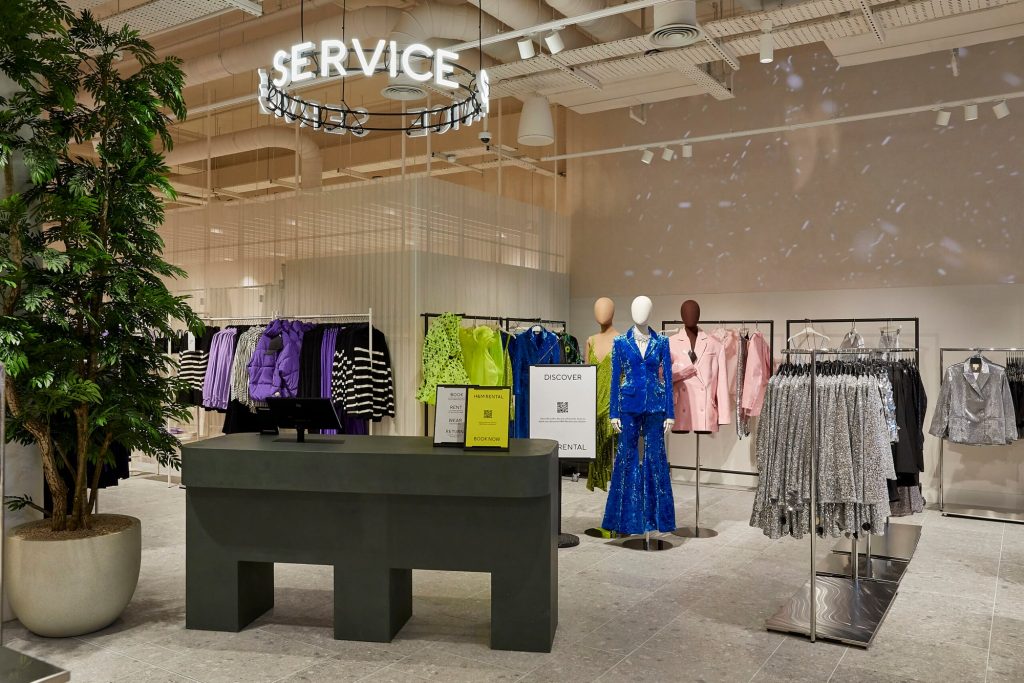
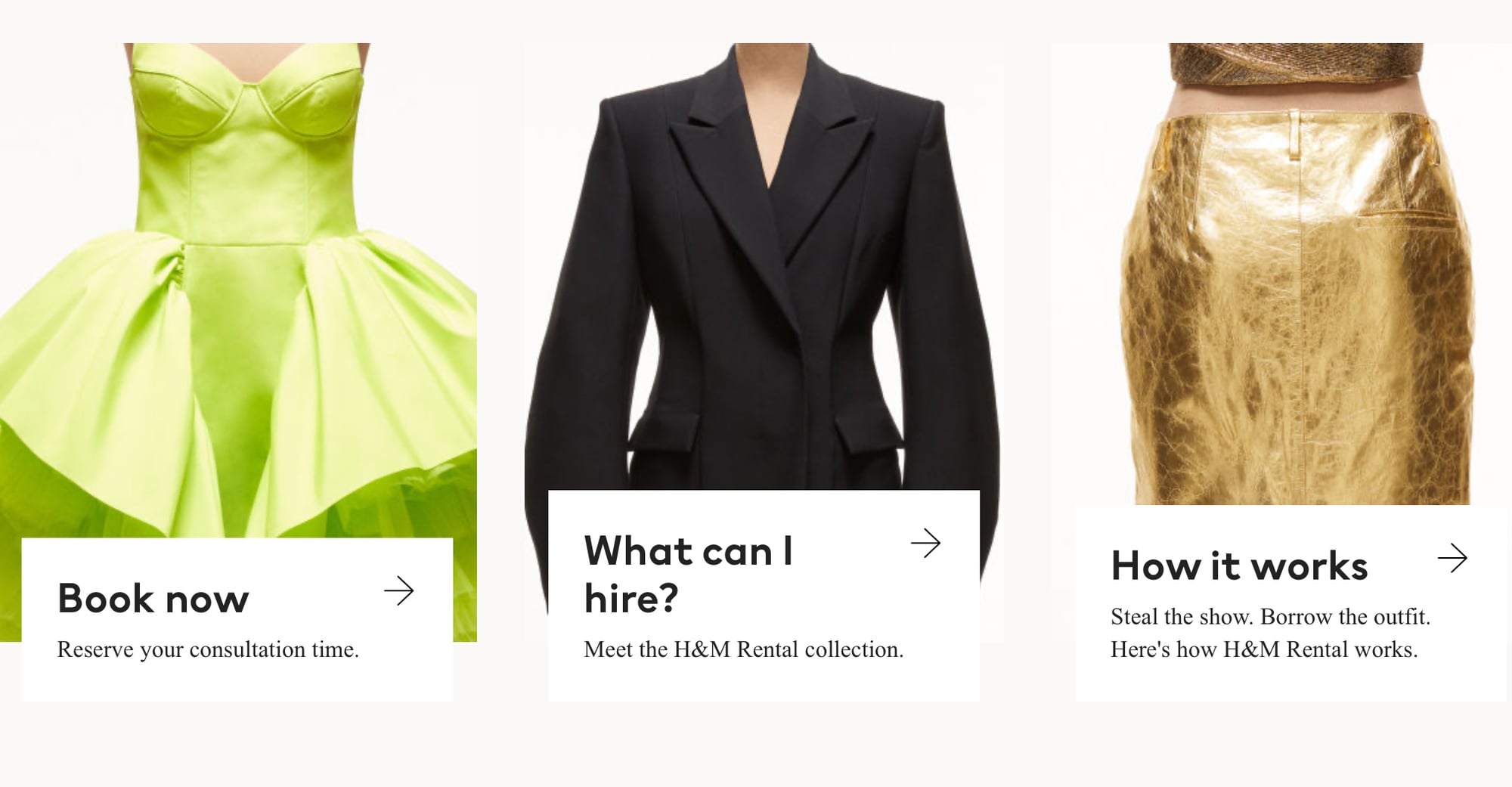
As we stand on the brink of a “resale boom” in 2024, more retailers are integrating recommerce strategies, including resale, rental, and subscription models, into their operations. Recommerce stands for the buying and selling of pre-owned goods, it encompasses the reselling, renting, refilling, repairing, or reusing of goods. It is estimated by Barclays to be worth nearly £7 billion ($8.9 billion) in the United Kingdom alone, accounting for 1.6% of the total retail market, with a projection to increase to £82 billion ($104.3 billion) by 2030. In comparison, the recommerce market in the U.S. was estimated be worth more than 188 billion U.S. dollars, with a forecast to get close to 276 billion dollars by 2028.
Younger millennials (aged 25-34) are the largest contributors to the overall Recommerce Economy, estimated to have spent £1.95 billion on second-hand items in the past year and over a quarter of the total (28%).…
Linda Weston, Managing Director at Barclaycard Payments, highlights the opportunity for the UK economy and retailers to capitalize on sustainable shopping trends. As such, certain luxury brands, such as Gucci, Rolex, and Burberry, have embraced recommerce and partnered with existing resale platforms or created their own.
Let’s dive into the factors driving this growth, the increasing demand among younger generations, and how major retailers adapt to this retail trend. Key findings of Barclays report (UK) Over four in ten (44%) consumers buy more second-hand items than a year ago.
A further 57% of consumers report that their recommerce shopping behavior has remained consistent over the past year. Gen-Z adults (aged 18-24) are particularly motivated by shopping second-hand, viewing pre-loved items as ‘more fashionable’ (30%) and unique (31%).
Rising living costs are the main motivator, with 62% of consumers citing them as a reason for their shift towards recommerce. The desire for more sustainable shopping practices motivates 43% of consumers. 22% of consumers are motivated by the desire to access items usually financially out of reach, such as designer goods…
Discussion
0 Comments
No comments yet
Start the conversation
Share your take on this story and help shape the discussion.
Sign in to join the discussion.