Founded in 2006 in New York City by Fabrice Penot and Eddie Roschi, Le Labo emerged as a counterbalance to commercialized perfume culture. The founders, both fragrance industry veterans, envisioned “slow perfumery”: crafting made‑to‑order scents that would celebrate raw materials and personalization instead of mass production. Their Nolita boutique became an instant cult destination, hand‑labeling bottles for each customer and printing the purchaser’s name on the packaging — a concept now emulated across niche fragrance houses.
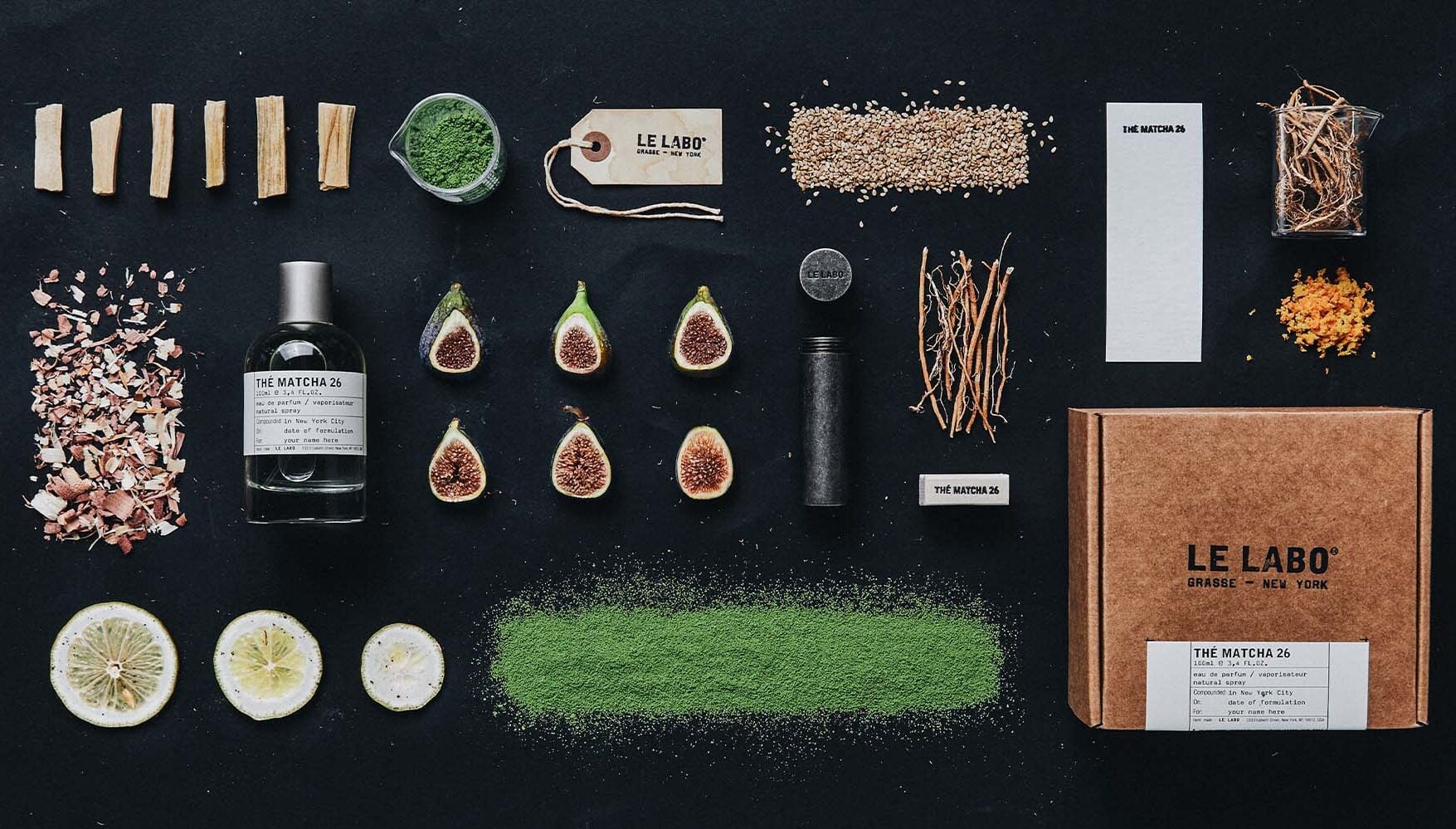
Le Labo’s fragrances are minimalist in naming and composition: each scent takes its title from its lead ingredient and the number of materials used — for example, Santal 33 features sandalwood among 33 components, while Rose 31 includes thirty‑one. The brand’s emphasis lies not only in scent but also in ritual. Stores resemble mini laboratories, where perfumes are hand‑blended on demand to highlight craftsmanship and connection.
Ownership and Acquisition by Estée Lauder
At launch,…
Le Labo operated as a small-scale artisanal brand with growing cult appeal. By 2011, its Santal 33 fragrance — introduced after fans began asking for a candle scent reimagined as a perfume — became the breakout product that propelled it into global recognition.
In 2014, The Estée Lauder Companies acquired Le Labo for an estimated $60 million, adding it to its portfolio of luxury beauty names that spans Tom Ford Beauty and Jo Malone London.
Estée Lauder agreed to preserve Le Labo’s creative independence, leaving product development and store aesthetics under its original founders’ control. Today, Deborah Royer, Global Brand President and Creative Director, oversees expansion while maintaining Le Labo’s artisanal principles.
The brand was also certified as a B Corporation in 2022, underscoring its commitments to ethical sourcing and sustainable operations. Business Model: Direct‑to‑Consumer “Slow Luxury” Unlike typical perfume conglomerates that rely on department‑store distribution, Le Labo built its model around direct‑to‑consumer retail…





Discussion
0 Comments
No comments yet
Start the conversation
Share your take on this story and help shape the discussion.
Sign in to join the discussion.