- What the Collection Actually Is
- The Creative Process Behind It
- How Zara Set Up the Campaign Architecture
- How the Retail Rollout Was Structured
- What the Restock Signals About Inditex Operations
- What This Collaboration Tells the Industry
- Why a Musician Makes More Sense Than a Designer Here
- The Accessibility Argument
On May 21, 2026, Zara dropped the BENITO ANTONIO collection with Puerto Rican superstar Bad Bunny, and by most commercial measures, the result was immediate. Items sold out within minutes of the midnight launch. Within days, Zara had quietly restocked sold-out favorites, which is a significant operational tell that the brand underestimated demand even while preparing for it. The restock itself became a second wave of coverage.
What the Collection Actually Is
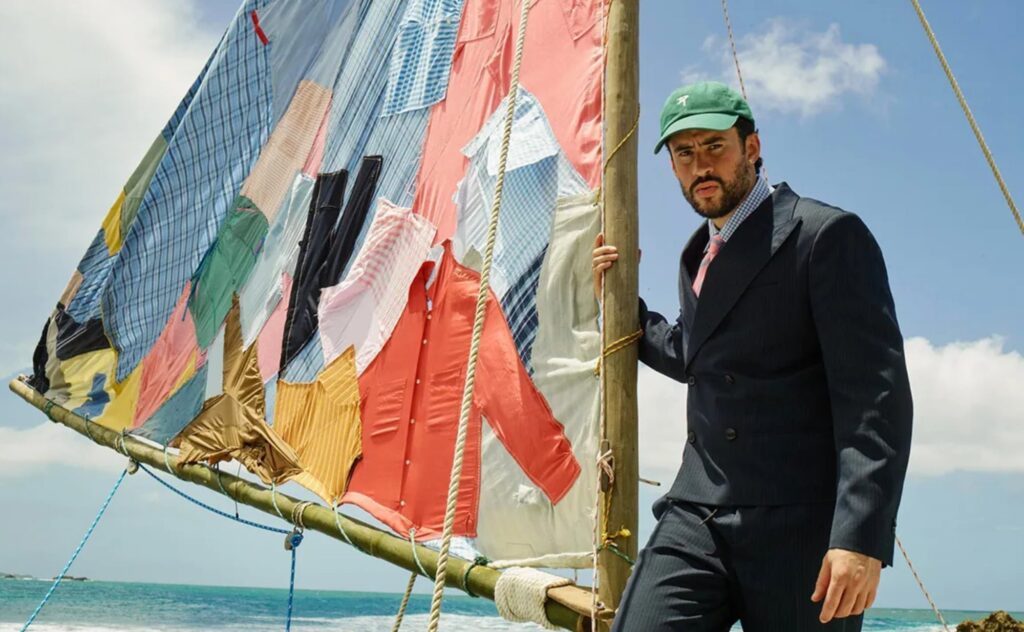
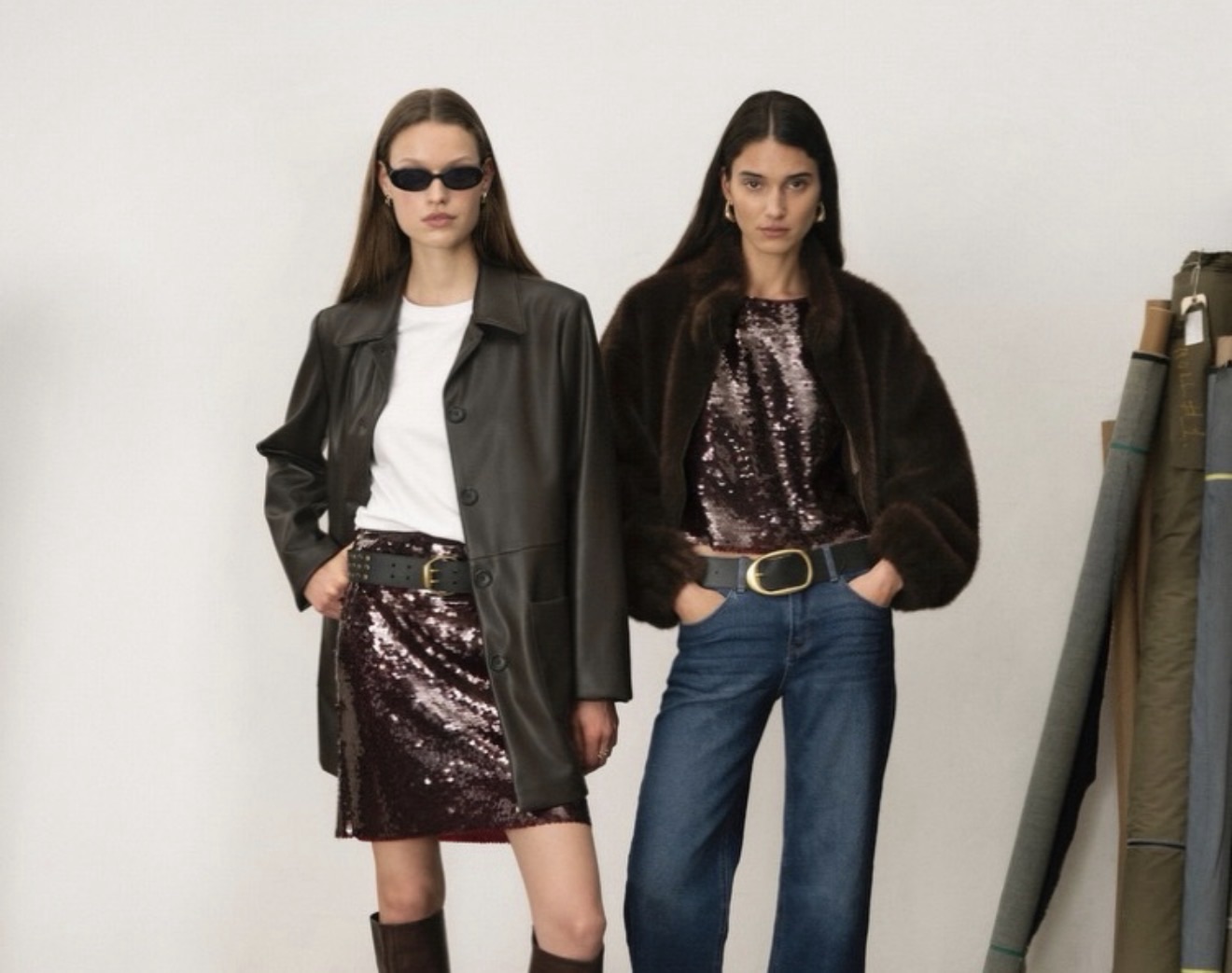
The BENITO ANTONIO collection spans 150 pieces across graphic tees, oversized essentials, tailored suits, swimwear, caps, and accessories, with pricing ranging from $39.90 to $299. It was developed in direct partnership with Bad Bunny’s longtime creative director Janthony Oliveras, and the brief was precise: capture what Benito Antonio Martínez Ocasio actually wears right now, not a stylized version of it, not an aspirational edit.
The Creative Process Behind It
Oliveras described the directional confirmation happening during a second trip to Zara’s headquarters in A Coruña, Spain, when physical samples reflected the artist’s current aesthetic closely enough that he could picture the artist wearing each piece.
The lookbook organized the 150 pieces into 72 distinct outfits, presenting the collection as a wardrobe system rather than a limited capsule drop.
How Zara Set Up the Campaign Architecture
The commercial setup had been running for months before the May 21 launch.
Bad Bunny wore custom Zara at the Super Bowl LX halftime show in February 2026. He wore a custom black tuxedo designed in collaboration with Zara at the 2026 Met Gala. Neither moment was incidental. Both were part of a four-month brand placement campaign across the two highest-visibility cultural events in the American calendar.
How the Retail Rollout Was Structured
Zara gave Puerto Rico a first-mover moment. A dedicated pop-up at Plaza Las Américas on May 16 gave fans a preview of the collection before the global launch, and Bad Bunny made a surprise in-store appearance.
The global drop followed on May 21, available at Zara.com and in select stores worldwide, including Zara Man in New York’s SoHo, The Grove in Los Angeles, and Miami Brickell.
What the Restock Signals About Inditex Operations
The rapid restock is worth watching as an operational data point. Fast fashion restocks are not unusual. But restocking within days of a global named collaboration launch suggests Inditex has built real-time demand responsiveness into its fulfillment infrastructure rather than relying on pre-planned inventory allocations.
At Inditex’s scale, that agility is not a given.
What This Collaboration Tells the Industry
For Zara, the strategic significance sits above the revenue line. Inditex has spent years defending its position as the world’s largest fashion retailer by volume, but it has faced questions about cultural relevance from brands with sharper social identities.
Why a Musician Makes More Sense Than a Designer Here
A collaboration with Bad Bunny represents a different kind of cultural bet than a traditional designer capsule. He has more than 53 million Instagram followers and six Grammy wins, including a historic Album of the Year victory at the 2026 Grammys for his album Debí Tirar Más Fotos, the first Spanish-language album to win the award. His fanbase tracks his personal style at a level of attention that most fashion houses cannot generate independently.
Zara converted that consumer attention into 150 shoppable pieces at accessible price points.
The Accessibility Argument
A luxury house can dress Bad Bunny once, at enormous expense, for a single red carpet. Zara can put his style sensibility into the hands of a mass consumer base within a week, at a price range that includes a $49 cropped tee and a $59 pair of shorts alongside $299 tailored pieces.
The collection does not position itself as luxury. It positions itself as his actual wardrobe. That is a smarter play for a mass retailer.