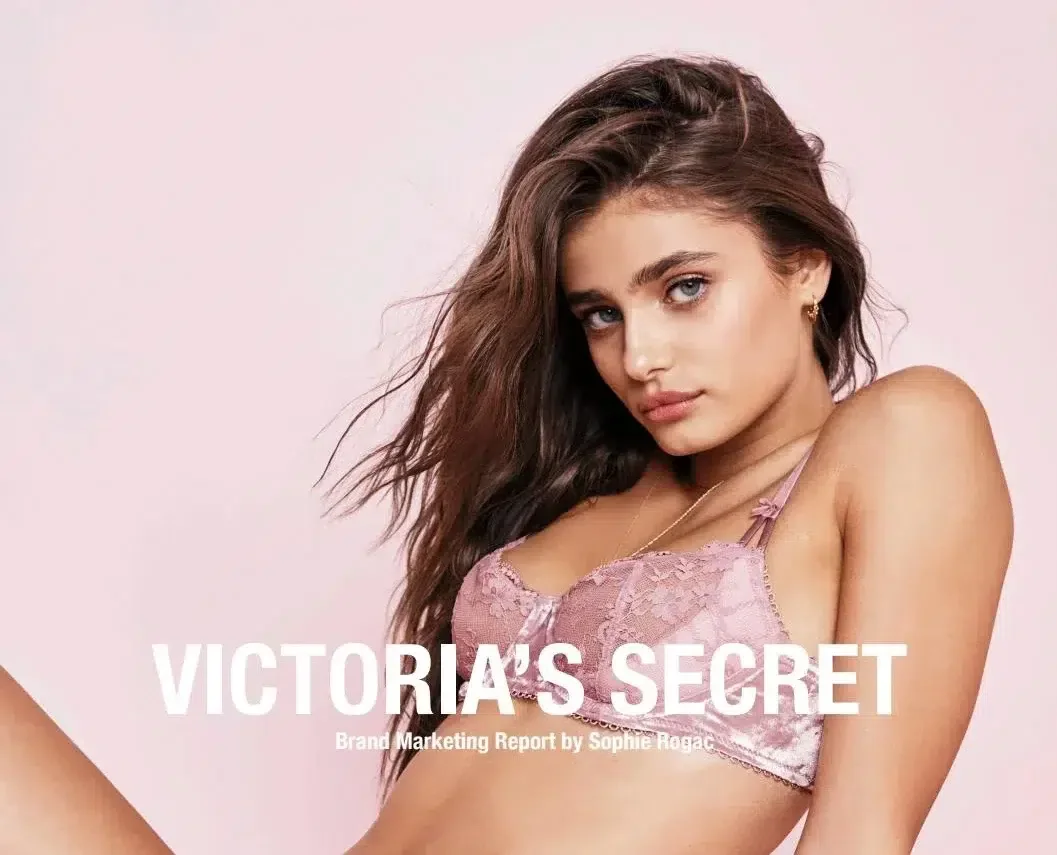
Initially known for its glamorous and exclusive image, Victoria’s Secret dominated the lingerie market through its captivating marketing strategies, which often featured supermodels in elaborate fashion shows. This pervasive aura of exclusivity and fantasy carved a lucrative niche. However, this marketing ploy, fixating primarily on ultra-thin models, began drawing criticism in the late 2010s for promoting unrealistic beauty standards and lacking size inclusivity.
The pivotal moment came in November 2018 when Ed Razek, then-chief marketing officer for L Brands, made a controversial statement to Vogue excluding “transsexuals” from runway shows. This not only ignited backlash for its exclusionary stance towards the transgender community but also reignited criticism over the brand’s overall inclusivity, particularly in terms of body diversity. Victoria’s Secret began an intensive rebranding journey in response to mounting pressure and plummeting public perception.
This controversy spurred a strategic overhaul focusing on a more inclusive and feminist image. Despite these…
efforts, the company experienced declining sales, prompting another pivot back to its core theme of “sexiness.” This case study outlines the marketing strategies employed by Victoria’s Secret before and after the controversy, highlighting the brand’s efforts to navigate evolving market dynamics and societal expectation Victoria’s Secret Controversies and Rebranding Efforts (2018 – 2024) Credit: Victoria’s Secret Ad 2015 November 2018: Ed Razek, then-chief marketing officer for L Brands, faces backlash after stating that he did not think “transsexuals” should be included in Victoria’s Secret runway shows.
This comment sparks widespread criticism for lack of inclusivity, damaging the brand’s public image. 2019 March 2019: Activist shareholder Barington Capital sends a letter to Les Wexner, outlining recommendations for improving growth, including updating the brand’s “tone-deaf” image.
Barington also criticizes the lack of diversity on the board of directors. August 2019: Victoria’s Secret hires its first openly transgender model, Brazilian model Valentina Sampaio, signaling early steps towards inclusivity and diversity. November 21, 2019: The company announces the official…



Discussion
0 Comments
No comments yet
Start the conversation
Share your take on this story and help shape the discussion.
Sign in to join the discussion.