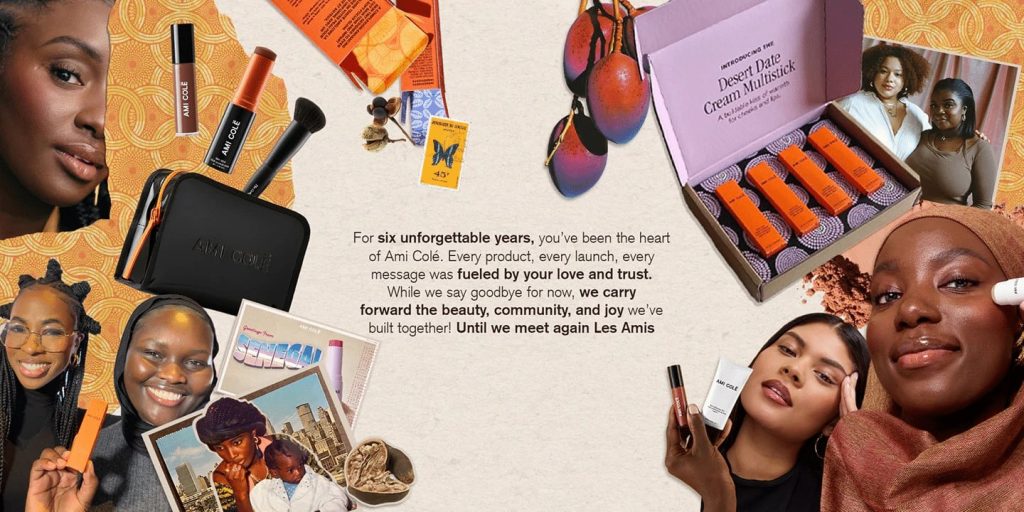
In July 2025, a heartfelt op-ed by Diarrha N’Diaye-Mbaye, founder of Ami Colé, sent shockwaves through the beauty industry. After just four years in business and a meteoric rise that saw Ami Colé stocked at Sephora, N’Diaye-Mbaye announced the brand’s closure, shining a harsh light on the economic challenges facing Black-owned beauty businesses. Her story is not just about one brand—it’s a stark reminder of how powerful Black influence is rarely matched by equitable funding, support, or access.
Ami Colé: A Meteoric Rise and Sudden Fall
The founder directly cited higher operating costs due to tariffs and a shift in investors’ attitudes, stemming from the massive push for inclusivity following the 2020 Black Lives Matter movement, as key factors behind the brand’s closure. As support for racial equity initiatives faded in the corporate world, so did investor enthusiasm.
Funding Drops Despite Influence and Demand
This crisis is not limited to…
Ami Colé. According to Vogue Business, Black-founded beauty brands raised just $16 million in 2024—a mere 5.36% of total U.S. beauty industry funding—down sharply from $73 million in 2022. Meanwhile, Black consumers spent $9.4 billion on beauty products in 2023, with no signs of slowing down.
As black women, we’re not just consumers, we’re also culture drivers. But yet… the industry often puts us on the sidelines, whether it’s funding or research and development for products, said Sochi Mbadugha, President of Topicals.
The numbers paint a stark inequality: Black-founded brands are 3 times more likely to be rejected for funding and raise, on average, far less than white-owned brands—even as Black women are beauty’s most passionate and influential demographic.
Industry Perspectives: Voices of Resilience and Frustration “For me, diversity in beauty isn’t optional—it’s fundamental,” insists Tisha Thompson, founder of LYS Beauty…
Discussion
0 Comments
No comments yet
Start the conversation
Share your take on this story and help shape the discussion.
Sign in to join the discussion.