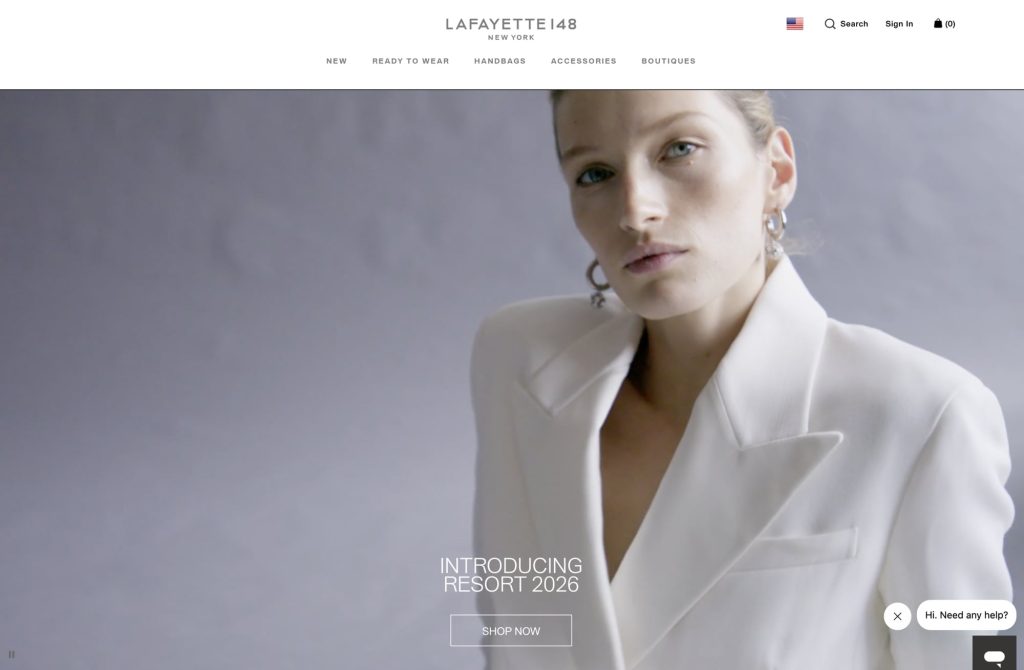
A new federal lawsuit has been filed against luxury fashion label Lafayette148, Inc. alleging discrimination due to the company’s failure to provide an accessible online shopping experience for visually impaired customers. The case was brought by plaintiff Nelson Fernandez and filed in the U.S. District Court for the Southern District of Florida on October 31, 2025, with legal representation by the Law Office Of Pelayo Duran, PA.
Allegations of ADA Violations
At the heart of the complaint is a claim that Lafayette148’s retail website does not comply with the accessibility requirements of the Americans With Disabilities Act (ADA). Fernandez asserts that the website excludes visually disabled users by lacking features like properly labeled images, accessible product descriptions, and compatibility with screen reader software—tools that are essential for those relying on assistive technology to navigate online storefronts.
The lawsuit specifically lists claims for digital accessibility violations, disability and medical condition discrimination,…
and broader discrimination under the ADA’s “Other (446)” civil rights category.
The filings argue that these deficiencies amount to denial of equal access to products and services that are otherwise available to non-disabled customers through the website. Broader Industry Implications This lawsuit adds to a growing wave of digital accessibility litigation within the retail sector.
Retailers and brands are facing increasing scrutiny as courts and advocacy groups interpret the ADA to require public-facing websites, particularly those involved in commerce—to be fully usable by individuals with a range of disabilities.
Claims like those raised by Fernandez typically focus on common barriers such as failure to provide text alternatives for images, inaccessible navigation or checkout processes, and incompatibility with mainstream screen reader technologies. What E-Commerce Operators Should Learn E-commerce sites are increasingly targeted for accessibility lawsuits because their digital storefronts are legally recognized as “places of public accommodation”…
Members-only article
Unlock the rest of this story
Join free to keep reading RetailBoss luxury coverage, industry analysis, and market intelligence.
- Full article access
- Industry analysis
- Free account
Free access. No credit card required. Your account is created after you verify your email.
Discussion
0 Comments
No comments yet
Start the conversation
Share your take on this story and help shape the discussion.
Sign in to join the discussion.