


For senior teams at luxury houses and department stores, much of the year is shaped by dates that someone else has set, from runway seasons and trade fairs to store openings and partner meetings. When several of those commitments fall in different countries within days of each other, the way an executive travels between them can seriously affect the business.
A Calendar Built Around Fixed Dates
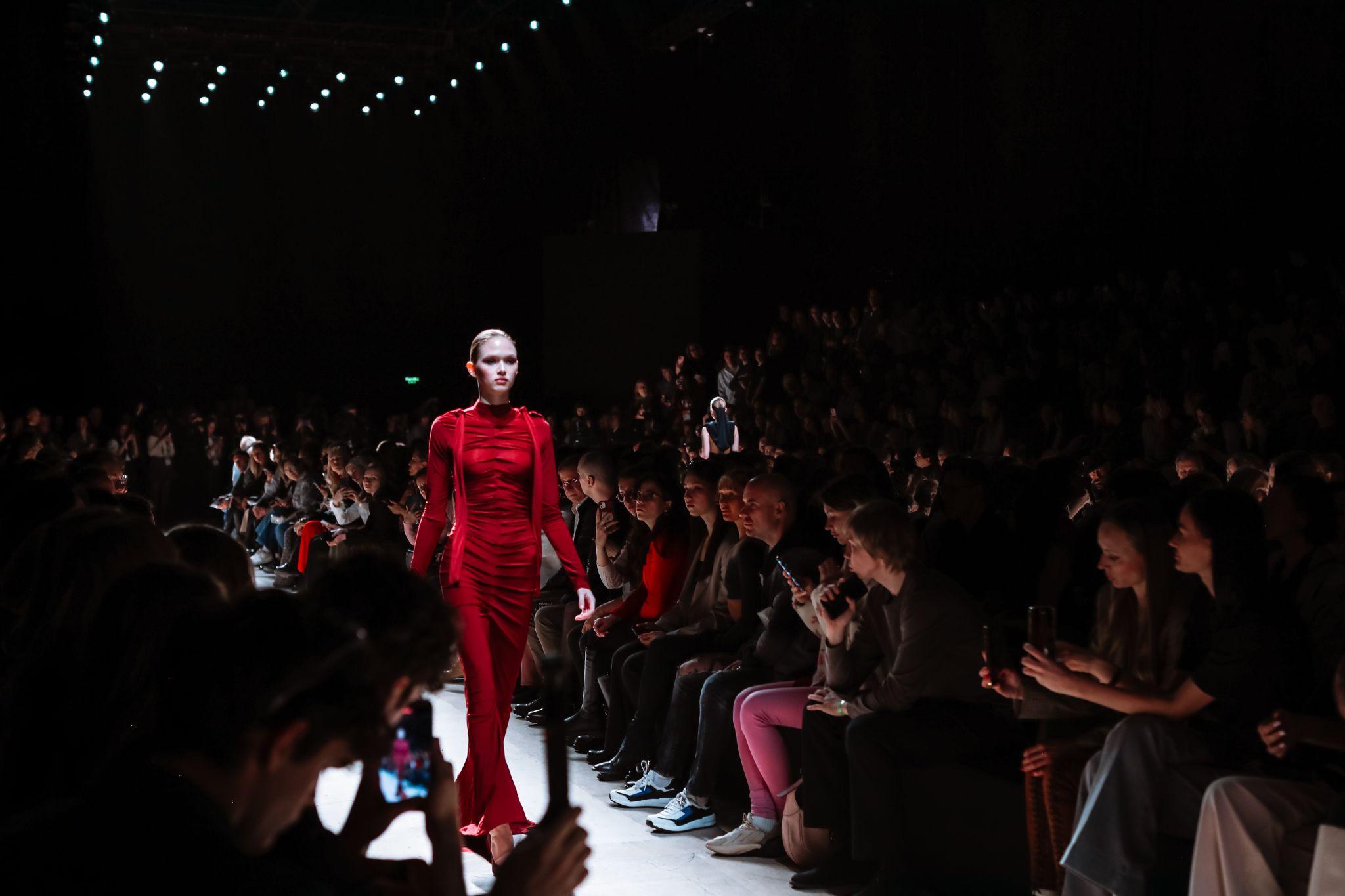
Fashion offers a clear example of working around many dates. The official Paris calendar for early 2027 has menswear running from January 19 to 24, with Haute Couture opening the very next day and continuing until January 28, and then womenswear returns from March 1 to 9. The handover between capitals can be just as tight, as shown in September 2026, when Milan's womenswear week closed on September 28, the same day Paris began.
Fashion is not the only industry like this. Watches and Wonders Geneva takes place from April 5 to 11 2027 at Palexpo, beside Geneva's airport, and a new jewelry and watch fair is scheduled for Basel in the same month. Store openings then fill the weeks in between, from Prada's renovated boutique in Osaka to Messika's new address in Shanghai and Max Mara's reopened Munich store. Turning up in person shows the local team and clients that head office takes the project seriously.
Planning Around Hours as Well as Dates
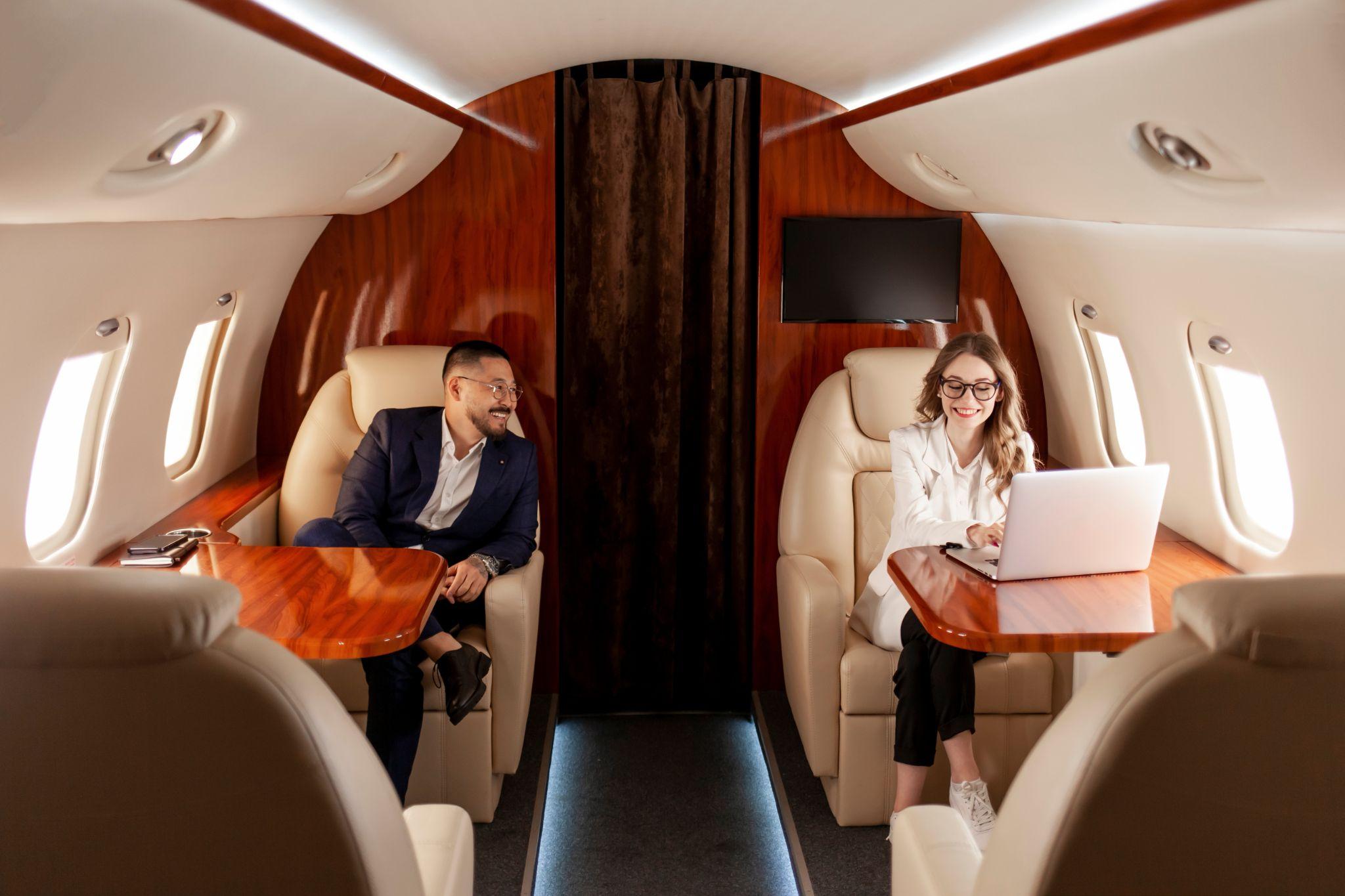
A single flight is rarely the problem. The trouble starts when connecting flights start piling up. If your week includes a re-see in Paris, a supplier meeting in northern Italy, and an opening in Munich, it will involve several departures, transfers and connections. In weeks like these, private jet charter can help executives get to their destination without missing any essential meetings.
Private flights depart from dedicated terminals where passengers can board minutes before take-off, and departure times are set around the day's commitments. Aircraft can also use thousands of smaller airfields, which helps when a workshop or outlet center sits some distance from the nearest major city.
Time on board has value too. With only colleagues in the cabin, a merchandising team can review sell-through figures or run through a presentation in private. The privacy means that more work can get done during the journey.
First Class and Private Travel Serve Different Needs
First Class remains one of the most comfortable ways to cover long distances. Leading airlines offer fully enclosed suites with lie-flat beds, along with lounges where passengers can dine or enjoy spa treatments before departure, and check-ins are usually quicker for First Class travelers. For a single long-haul journey between two major cities, it is an excellent choice.
Private travel is particularly strong with more complex itineraries. Flights are built around the schedule, and the route or passenger list can usually be adjusted at short notice when a meeting runs over or a designer decides to join the trip.
Groups change the calculation as well, because private flights are priced per flight rather than per seat, so a team of executives flying together can find the cost per person compares well with several First Class tickets, especially on shorter domestic routes.
To Summarize
The luxury calendar is unlikely to become less frantic.Runway seasons and trade fairs will probably to happen close together, often in different countries, for the foreseeable future.
Executives who book their travel as soon as those commitments are confirmed — not as an afterthought — keep more of their time for the meetings they flew in for.