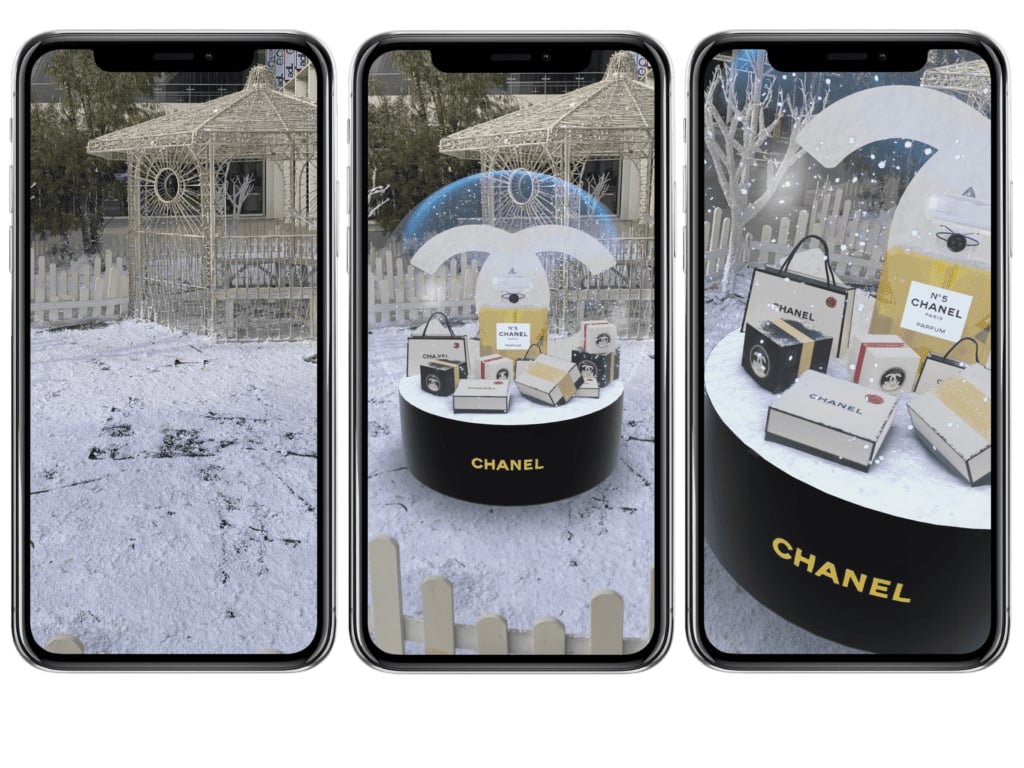
Key Differences Between Phygital and Omnichannel Phygital and omnichannel strategies both aim to enhance customer experiences but differ in their approaches. Phygital focuses on merging physical and digital worlds to create immersive, personalized experiences, often leveraging technologies like QR codes and augmented reality.
On the other hand, omnichannel integrates various communication channels to provide a seamless and consistent brand experience across all touchpoints, such as physical stores, websites, and mobile apps.
While phygital emphasizes the fusion of online and offline interactions, omnichannel prioritizes a unified customer journey across multiple platforms. Phygital: Blending Physical and Digital A phygital experience seamlessly integrates the physical and digital realms, creating an immersive and engaging customer journey.
A successful phygital strategy must be Instant, Connected, and Engaging (I.C.E). The goal is to merge the best aspects of the physical world with digital enhancements to provide convenience, personalization, and autonomy…