For a long time, retail strategy focused primarily on what happened inside the store. Merchandising, assortment, service model, conversion optimization, and store layout were mostly inward-facing concerns. The outside of the building was branding. The street was someone else’s problem.
That separation is becoming harder to maintain. As the gap between digital convenience and physical retail continues to pressure everything except destination appeal, the question that now matters most for many high-investment retail projects is more basic: is the location worth the trip?
The Journey Begins Before the Door
For any retail project competing on destination appeal rather than convenience alone, the customer experience begins well before they reach a product. It begins when they navigate to the location: how they arrive, whether parking or transit access feels reasonable, whether the walk from a nearby street or station feels pleasant or hostile, and what they see as they approach.
Visibility from key routes matters. A flagship that is difficult to locate or presents a blank service elevation to the primary pedestrian path is working against itself regardless of what happens inside. Wayfinding within a larger site, including how customers move between retail, food, and leisure components, directly affects how fully they engage with the project.
Communicating the Whole Site, Not Just the Unit
A new retail development or flagship location within a larger district often needs to communicate more than the individual store. Prospective tenants, investors, and the public need to understand how the wider site functions: where customers arrive, how the tenant mix is organized, how public realm areas and outdoor spaces relate to retail frontage, and what the overall destination experience looks and feels like before the project opens.
When a retail project depends on more than the individual shopfront, such as a flagship within a wider district, a lifestyle centre, or a mixed-use commercial destination, aerial 3D renders can help show access, surrounding streets, public areas, tenant relationships, and the overall scale of the customer experience before the site opens. Showing the location from above, with pedestrian routes, surrounding streets, and the site’s relationship to transit and neighboring developments visible, communicates the destination proposition in a way that floor plans and elevation drawings cannot.
This is particularly relevant for large-format commercial projects where the competitive pitch is the environment as a whole rather than the individual unit specification.
Flagships as Urban Anchors
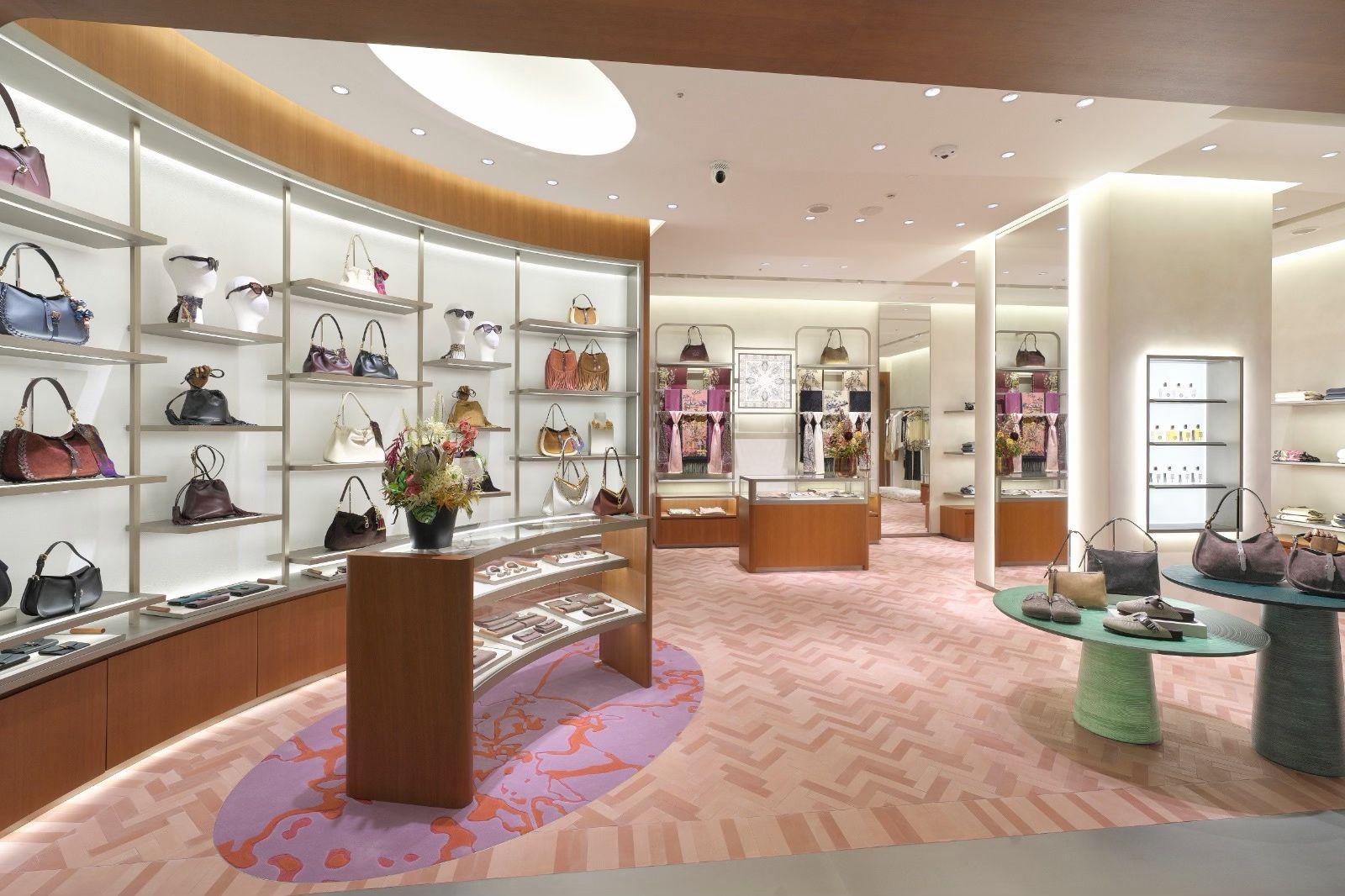
The flagship store has evolved considerably from its original purpose as a high-volume sales operation that happened to be large and prominently located. The most strategically significant flagship openings today are pieces of urban theatre: brand environments that express identity through architecture, generate content and social visibility, attract tourism, and anchor the positioning of a retail district.
Max Mara’s renovated Avenue Montaigne flagship and Miu Miu’s investments in location-specific retail environments are retail decisions, but they are also placemaking decisions. The choice of location, the relationship of the building to the street, and the way the interior experience connects to the exterior presence are questions of urban design as much as commercial real estate.
Dwell Time Requires More Than Retail
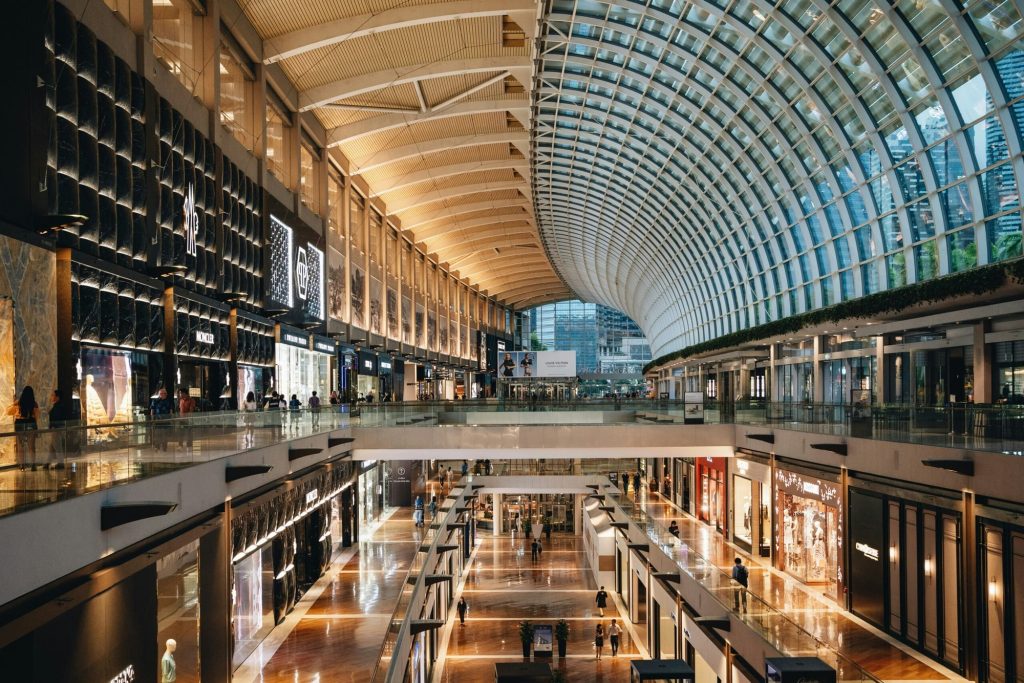
The conversion from footfall to dwell time depends on giving visitors reasons to stay beyond any single purchasing decision. In practice, this means successful retail destinations increasingly incorporate food and beverage as anchor functions rather than afterthoughts.
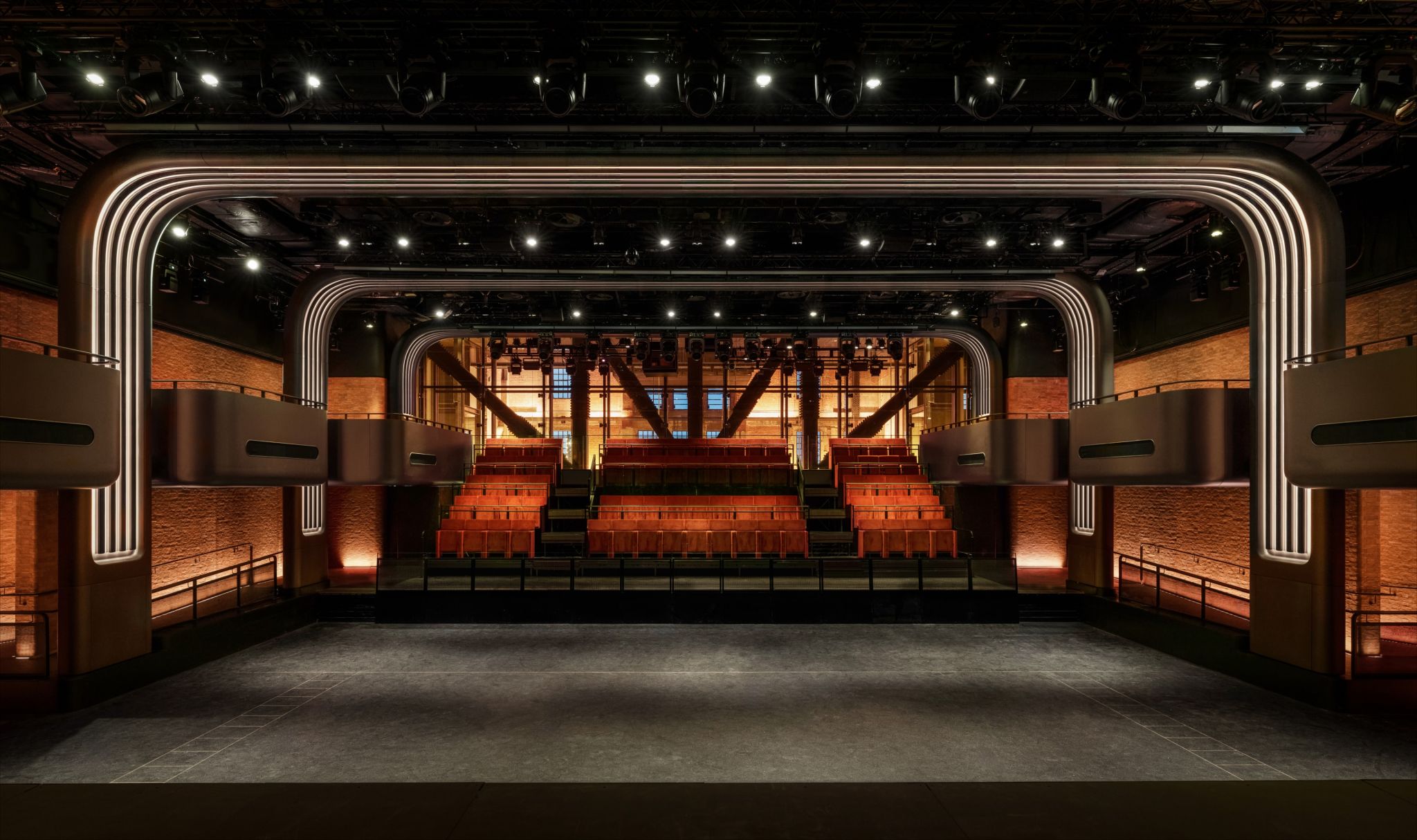
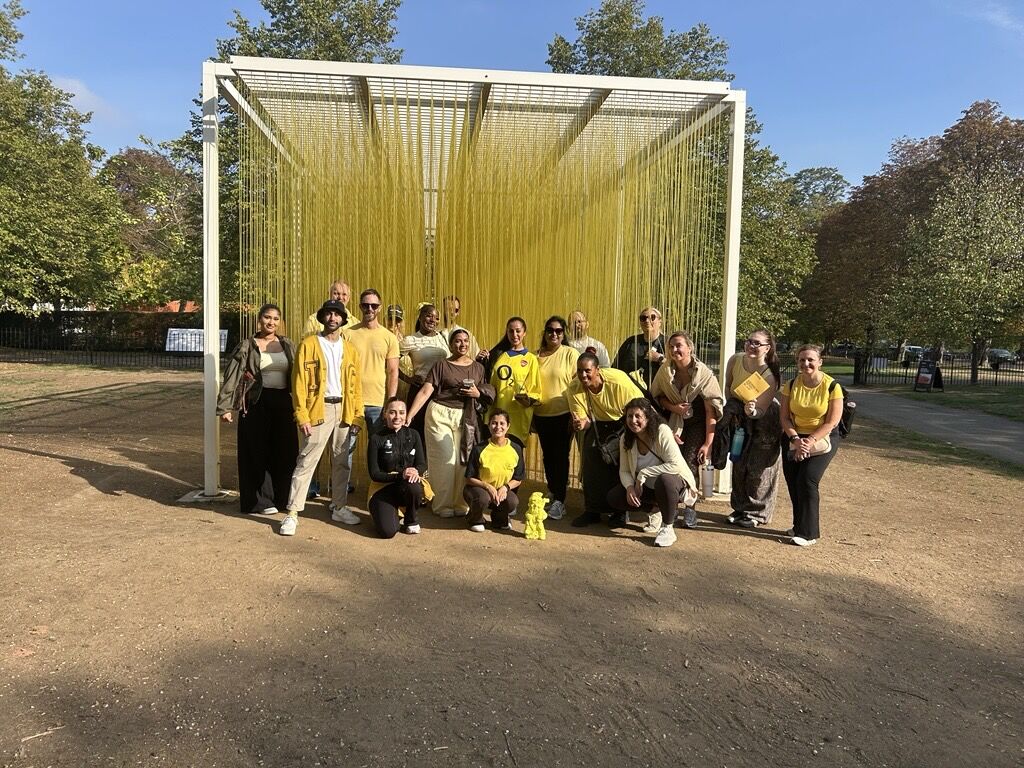
The café or restaurant within a retail environment is not supplementary to the retail mission. It is often the mechanism that encourages customers to extend their visit, return more frequently, and associate the location with a broader quality of experience. Programming, including events, installations, and cultural activations, adds another layer by creating reasons to visit that are independent of shopping intent and more likely to generate social sharing than traditional retail advertising.
The Site Is Now Part of the Proposition
The store is not disappearing. But for a growing number of high-value retail formats, the competitive edge is no longer primarily inside the store. It is the quality of the place in which the store sits: how customers arrive, how the wider environment reinforces brand positioning, how long visitors stay, and how frequently they return.
Retail that is worth visiting rather than merely convenient to visit operates at this level. When a location is well planned, easy to understand, and compelling enough to justify the effort of the trip, the project gains something that location alone and store design alone cannot deliver: the kind of sustained relevance that justifies the commercial investment over time.