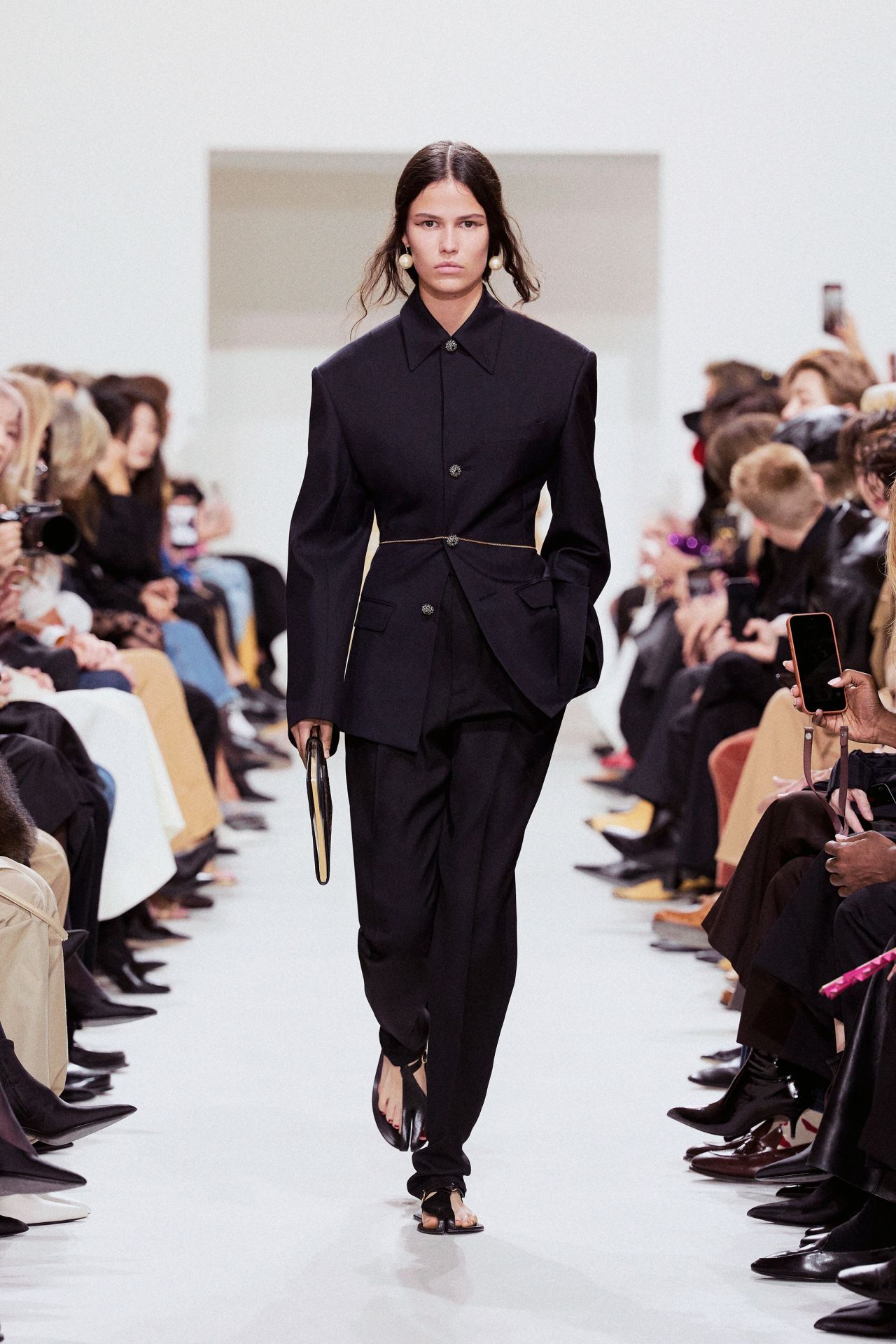
Jonathan Anderson’s Dior Cruise Landed in Los Angeles Four Days Before Louis Vuitton Lands in New York. Inside Luxury’s American Reset

Jeanel Alvarado
By
Jeanel Alvarado
Jeanel Alvarado is a marketer and retail strategist, leveraging 15+ years of cross-disciplinary expertise in retail, e-commerce, technology, consumer and shopping trends. She is the former...
9 Min Read
Jonathan Anderson's Dior Cruise Landed in Los Angeles Four Days Before Louis Vuitton Lands in New York. Inside Luxury's American Reset

LVMH’s Fashion & Leather Goods revenue fell 8% in 2025 to €37.8 billion. Kering closed the year down 13%. The United States grew 3% organically in Q3, and luxury is now staging its biggest shows of the year on American soil.

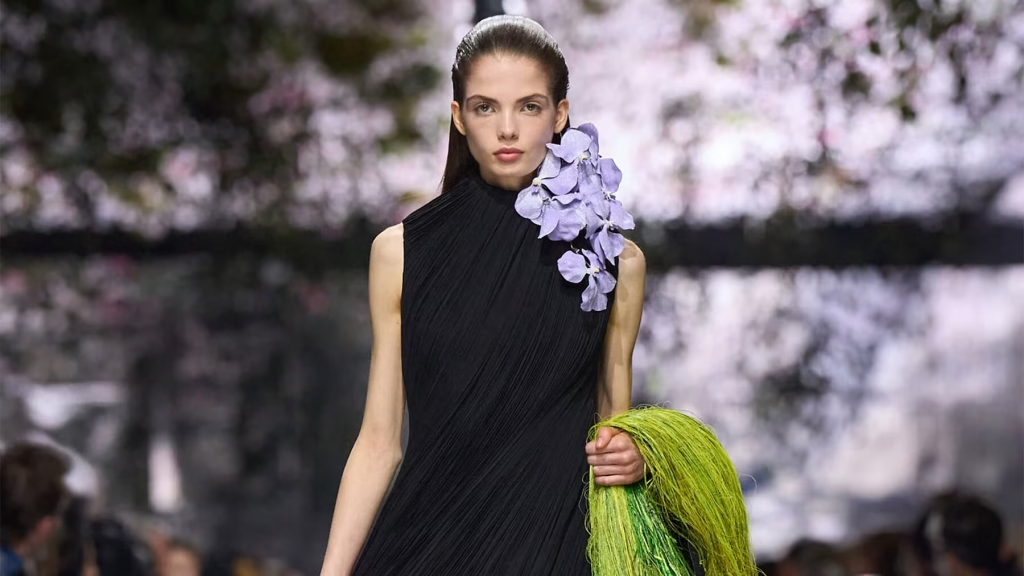
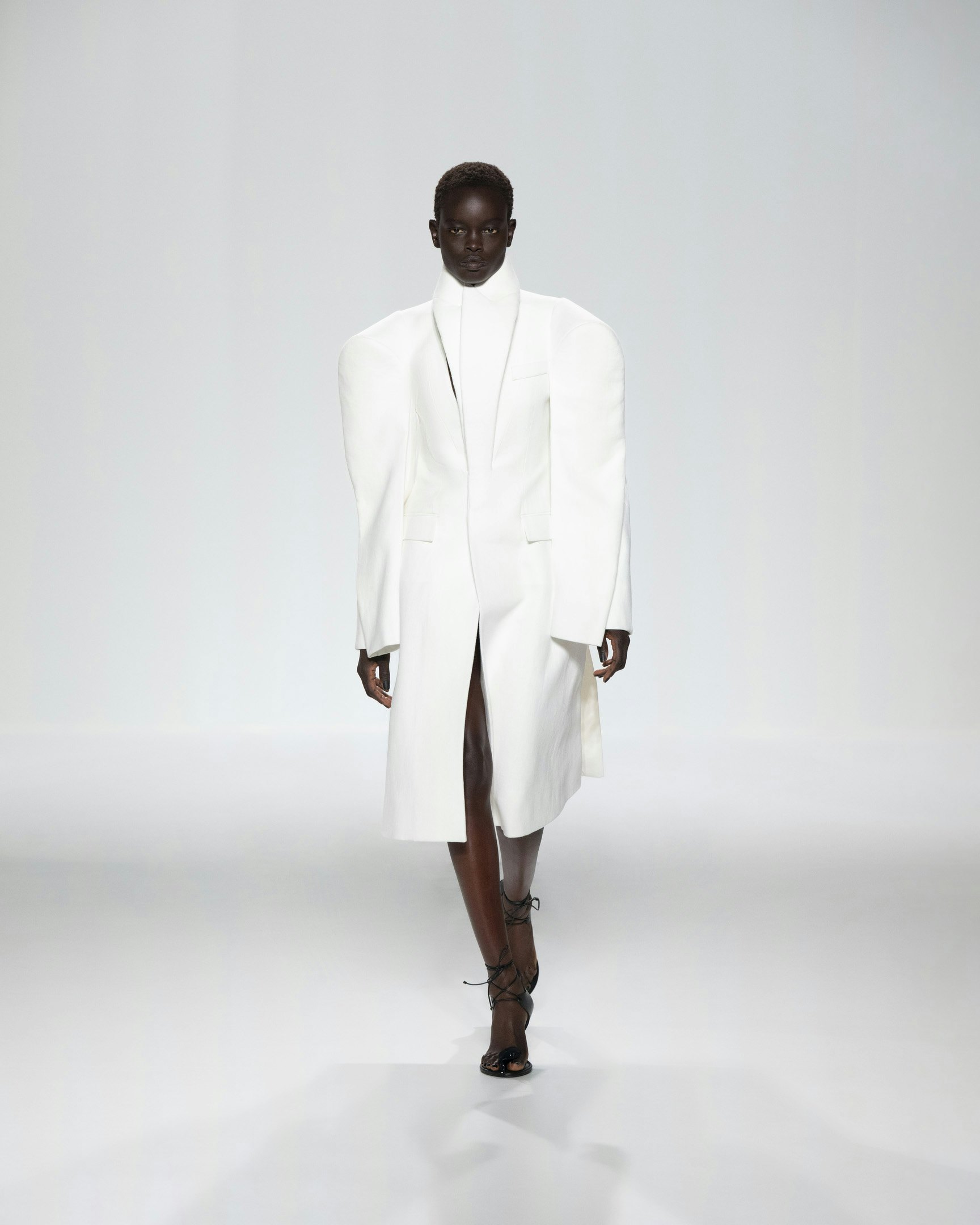
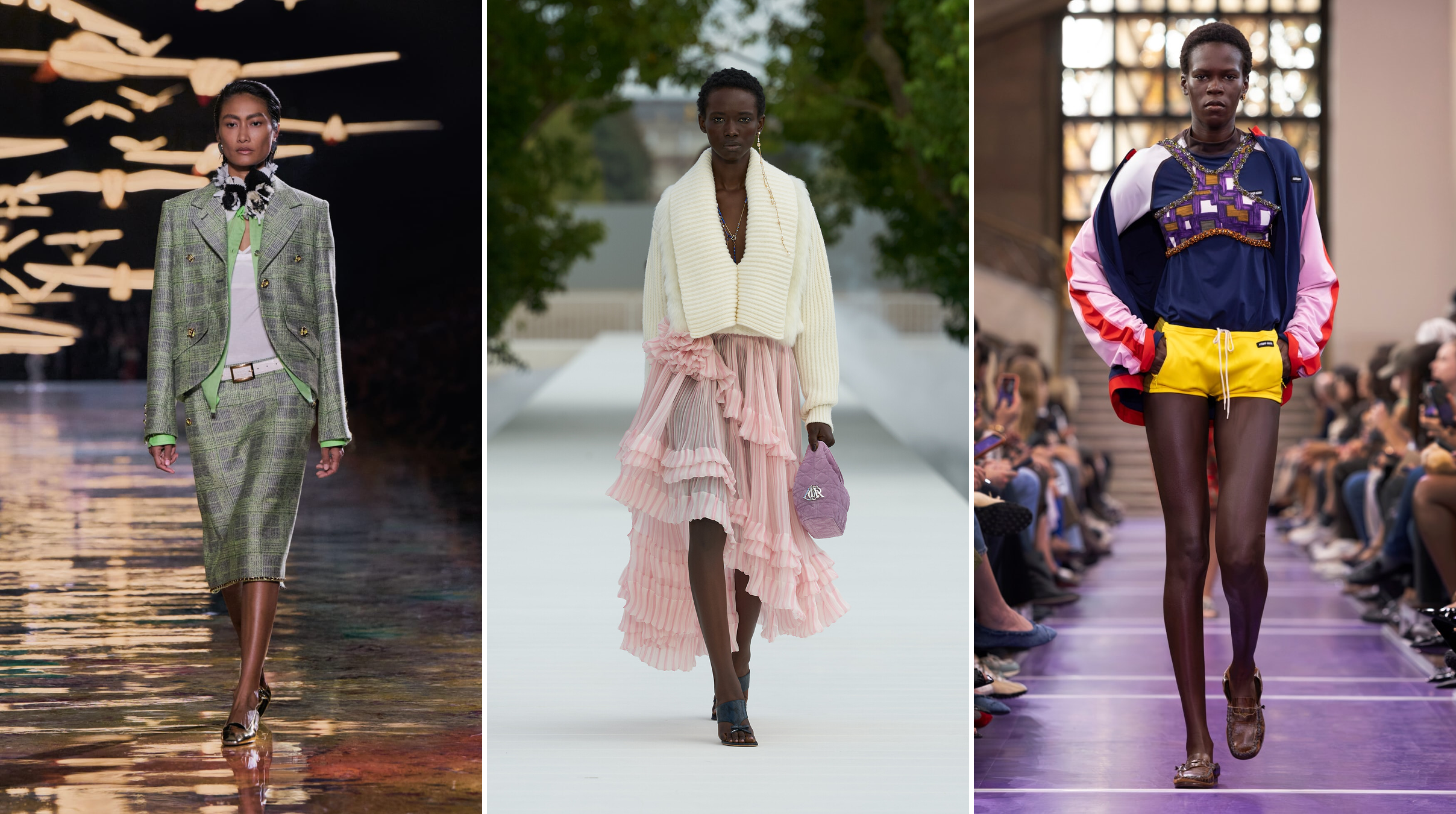
On May 13, 2026, Jonathan Anderson staged his first-ever Dior cruise show in Los Angeles, the inaugural resort outing of his tenure as the only designer since Christian Dior himself to oversee the house’s men’s, women’s and haute couture lines. Four days later, on May 20, Nicolas Ghesquière revealed Louis Vuitton’s Cruise 2027 collection inside The Frick Collection on Manhattan’s Upper East Side, the first fashion show ever staged in the Gilded Age mansion’s first-floor galleries and the opening act of a three-year cultural sponsorship between LVMH and the museum. Two of the world’s largest luxury maisons, both owned by the same group, are landing in the United States within the same week. That is not a coincidence. It is a coordinated American reset.

The choreography reads as a recovery play, and the financial backdrop explains why. LVMH closed FY2025 with revenue of €80.8 billion, down 5% reported, while its Fashion & Leather Goods division, the home of Louis Vuitton, Dior, Fendi, Celine and Loewe — fell 8% to €37.8 billion with operating profit down 13%. Kering closed 13% lower at €14.7 billion, with Gucci alone down 22% and the group shuttering 133 stores. Inside that contraction, one geography held: the United States grew 3% organically at LVMH in Q3 2025, even as Europe slid 2% and Japan dropped 13%, per the company’s Q3 release. The US already accounts for 26% of LVMH group revenue, tied with all of Asia ex-Japan, and Dior derives roughly 28% of its sales from the American market, its single largest geography.

LVMH and Kering 2025 at a glance

Group / Division FY2025 Revenue YoY Change (Reported) Notes
LVMH (group) €80.8B -5% Operating profit -9%; net profit -13%
LVMH Fashion & Leather Goods €37.8B -8% Operating profit -13%; operating margin 35%
LVMH Selective Retailing (Sephora-led) n/d +4% organic Profit from recurring ops +28% to €1.8B
Kering (group) €14.7B -13% -10% comparable; 133 stores closed
Gucci €5.99B -22% 41% of Kering revenue; operating income -40%
Saint Laurent (FY2025) n/d -8% H1 2025 revenue €1.3B, -11%
Bottega Veneta (FY2025) n/d Positive growth One of the few luxury houses to grow in 2025
LVMH US share of revenue 26% +1pp US, Europe (ex-FR) and ‘Other’ each gained share
LVMH Q3 2025 US organic growth n/d +3% vs. Europe -2%, Japan -13%, Asia-Pacific ex-JP +2%

Source: LVMH FY2025 financial communication (January 27, 2026); Kering FY2025 financial communication (February 10, 2026); WWD Q3 2025 results coverage. Compiled by author.

Anderson’s Dior debut is the most-watched creative reset since Galliano

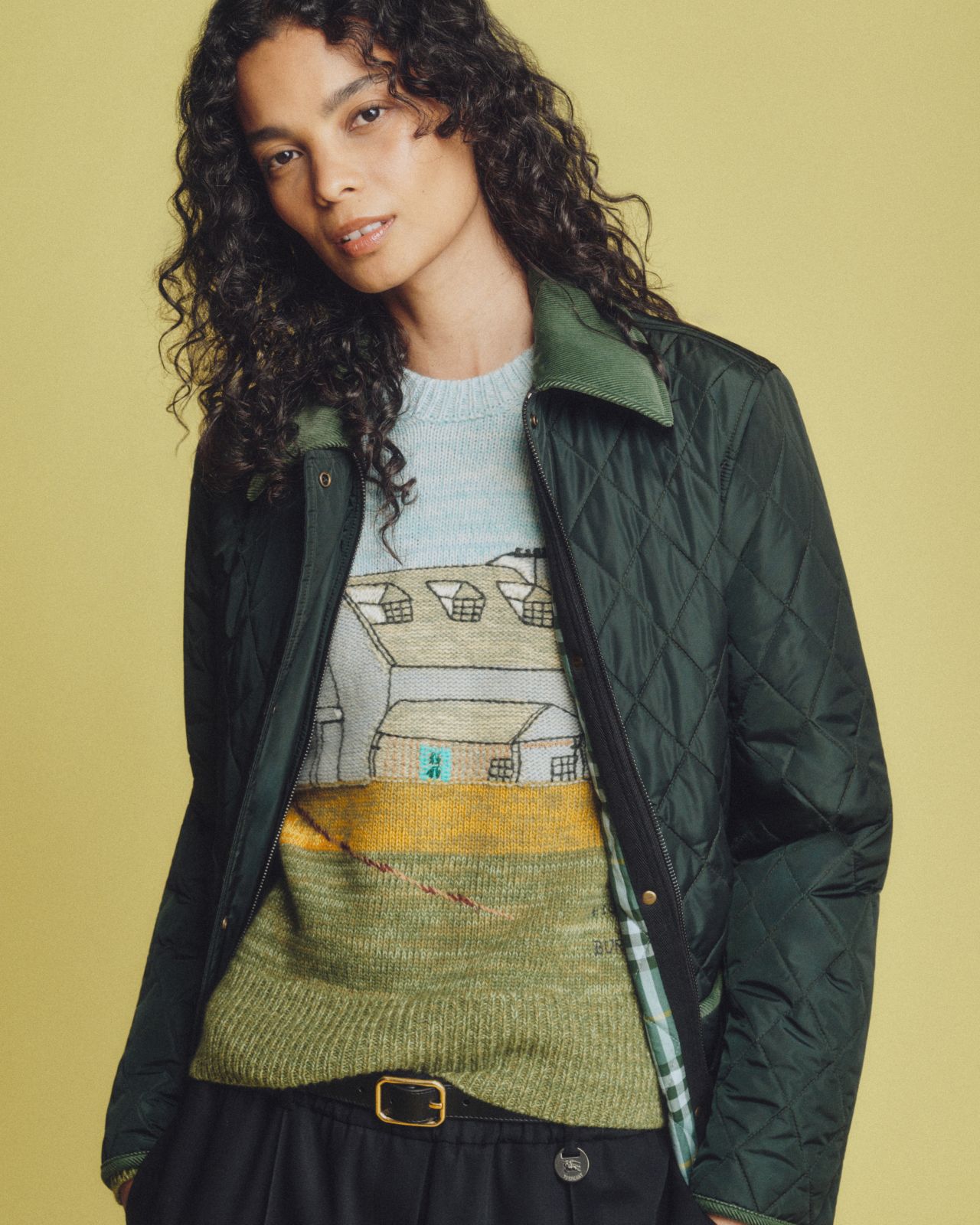
Jonathan Anderson was appointed Creative Director of Christian Dior’s men’s, women’s and haute couture collections in two stages, Dior Men on 17 April 2025, with the role expanded to women’s and haute couture on 2 June 2025, replacing Maria Grazia Chiuri and becoming the first designer to oversee all three divisions since Christian Dior himself. He showed his Spring/Summer 2026 menswear debut on June 27, 2025 in Paris; his women’s debut on October 1 in the Tuileries; and his haute couture debut on January 26, 2026, where he opened the show with three long pleated swirls of fabric referencing both Sugimoto photography and his own RTW debut.

The financial signals are already pointing in the right direction. LVMH CFO Cécile Cabanis told analysts on the Q3 call that Anderson’s Lady Dior advertising campaign was already lifting handbag sales before any new product had even hit shelves. Anderson’s first menswear designs arrived in stores in January 2026, with women’s collections expected in Q2. Dior also opened new flagships in New York City and Beverly Hills during 2025, both described by Cabanis as off to a “very good” start.

Why the US is the only region carrying the conglomerates right now

The geographic story is asymmetric and getting more so. In Q3 2025, LVMH organic growth was +3% in the US, -2% in Europe (currency-driven tourist drop), +2% in Asia-Pacific ex-Japan, and -13% in Japan, where prior-year comparisons remain punishing after the weak-yen tourism boom of 2024. Chinese tourist spending abroad remained down in double digits across the year, though mainland China itself turned positive in Q3 with mid-to-high single-digit growth.

Against that backdrop, both Anderson’s LACMA-area show on May 13 and Ghesquière’s Frick takeover on May 20 are sized for an American customer who is, by the numbers, the only one currently spending. Ghesquière’s Frick deal is also more than a runway slot.

It is a three-year cultural sponsorship that includes “Louis Vuitton First Fridays” (free monthly evening access to the museum), lead sponsorship of three upcoming Frick special exhibitions (“Siena: The Art of Bronze, 1450–1500” opening October 2026, a spring 2027 Susanne de Court show, and a late-2027 monographic painting exhibition), and a two-year Louis Vuitton Curatorial Research Associate post held by Yifu Liu, per the official Louis Vuitton announcement. This is patient capital, deployed in the only region currently producing organic growth.

Where this leaves luxury, and what to watch through H2 2026

First, whether Anderson’s Dior can convert critical momentum into measurable revenue lift in H2 2026, the first full reporting period in which his product will be on shelves. Cabanis has flagged “improvements in Dior in all key nationalities” already, and the Lady Dior and Dior Toujours lines are tagged internally as the early commercial proof points.

Second, the Q1 2026 data. LVMH reported Q1 2026 organic growth of 1%, missing FactSet’s 1.5% consensus, with the Middle East conflict shaving roughly 1 point off growth. The Fashion & Leather Goods division was down 2% in Q1. A recovery thesis built on US strength survives only if the US itself holds; that is the single variable now.

Third, the broader sector turnaround. UBS analyst Zuzanna Pusz has placed the earliest realistic luxury sector turnaround at H2 2026. Cabanis herself flagged Q4 2025 as “tougher” than Q3, and tougher comps in the US after a post-election lift at the end of 2024 made the math harder still. Whether the May 13 / May 20 American doubleheader is remembered as the moment luxury found its footing or as one more very expensive event in a difficult year will be answered in the Q2 2026 results, due late July.

What is no longer in dispute is the direction of travel. The biggest creative resets in luxury for a decade are now being unveiled on American ground, not European.

Share This Article
Follow:
Jeanel Alvarado is a marketer and retail strategist, leveraging 15+ years of cross-disciplinary expertise in retail, e-commerce, technology, consumer and shopping trends. She is the former Senior Managing Director of the School of Retailing at the University of Alberta. Jeanel’s insights appear in Nasdaq, Entrepreneur, Fortune, TIME, and the US Chamber of Commerce, among others, with recurring commentary on top retailers and brands for financial markets, consumer insights, shopping trends, tech Innovation, and the luxury sector.