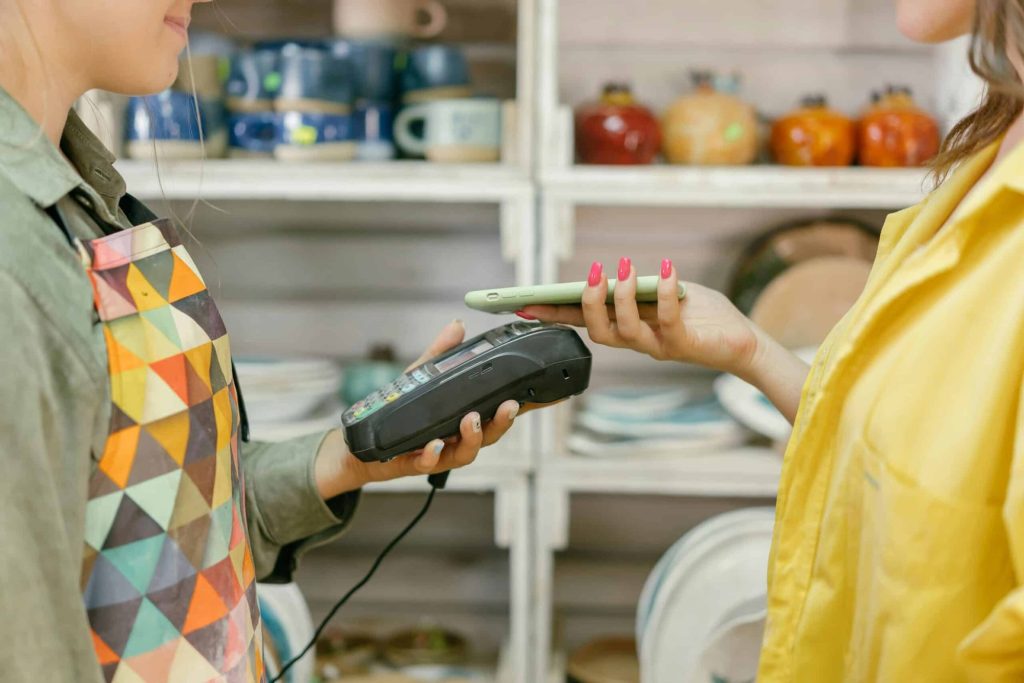
The average U.S. household now shops across 39 unique retailers each year, with omnichannel shoppers spending nearly twice as much as single-channel shoppers, according to a 2025 report by Circana LLC. This shift underscores the evolving retail landscape, where consumers blend online convenience, in-store experiences, and value-driven choices to meet diverse needs.
“Consumers’ behaviors and expectations continue to evolve rapidly, and businesses must stay agile,” said Stephanie Epperson, vice president of Consumer and Shopper Insights at Circana. “The Complete Consumer research allows companies to anticipate these shifts and meet consumers where they are, whether it’s offering personalized solutions or meeting demand for convenience and quality.”
Key Findings from Circana’s Report
Omnichannel Dominance: Shoppers using both online and in-store channels spend an average of $8,200 annually, compared to $4,300 for brick-and-mortar-only shoppers and $4,700 for online-only buyers. Value vs. Indulgence: Households frequent Dollar General for essentials but splurge on premium items…
like gourmet coffee or wellness products. Retail Resilience: Overall consumer spending remains robust despite inflation, with discretionary categories like apparel and electronics seeing steady demand. “Consumers are navigating a complex web of choices daily,” said Michelle Bennett, Circana’s EVP of consumer insights.
“Retailers that personalize offerings and prioritize convenience will win loyalty in this fragmented market.” Drivers of Multi-Retailer Shopping Proliferation of Channels: The U.S. hosts over 3.5 million online stores alongside 450,000+ physical retailers.
Platform Diversity: Households split purchases between marketplaces like Amazon and Etsy, DTC brands, and giants like Walmart ($534B in 2023 sales) and Costco ($175B). Economic Pragmatism: With 72% of Americans shopping in-store weekly and 79% buying online, consumers mix discount retailers like Aldi with premium experiences.
Regional and Demographic Nuances Texas and Tennessee: States with high independent retailer density (56% in Texas) see households supporting local businesses alongside national chains. Gen Z Influence: Younger shoppers drive demand for seamless omnichannel services, with 45% prioritizing…
Discussion
0 Comments
No comments yet
Start the conversation
Share your take on this story and help shape the discussion.
Sign in to join the discussion.