


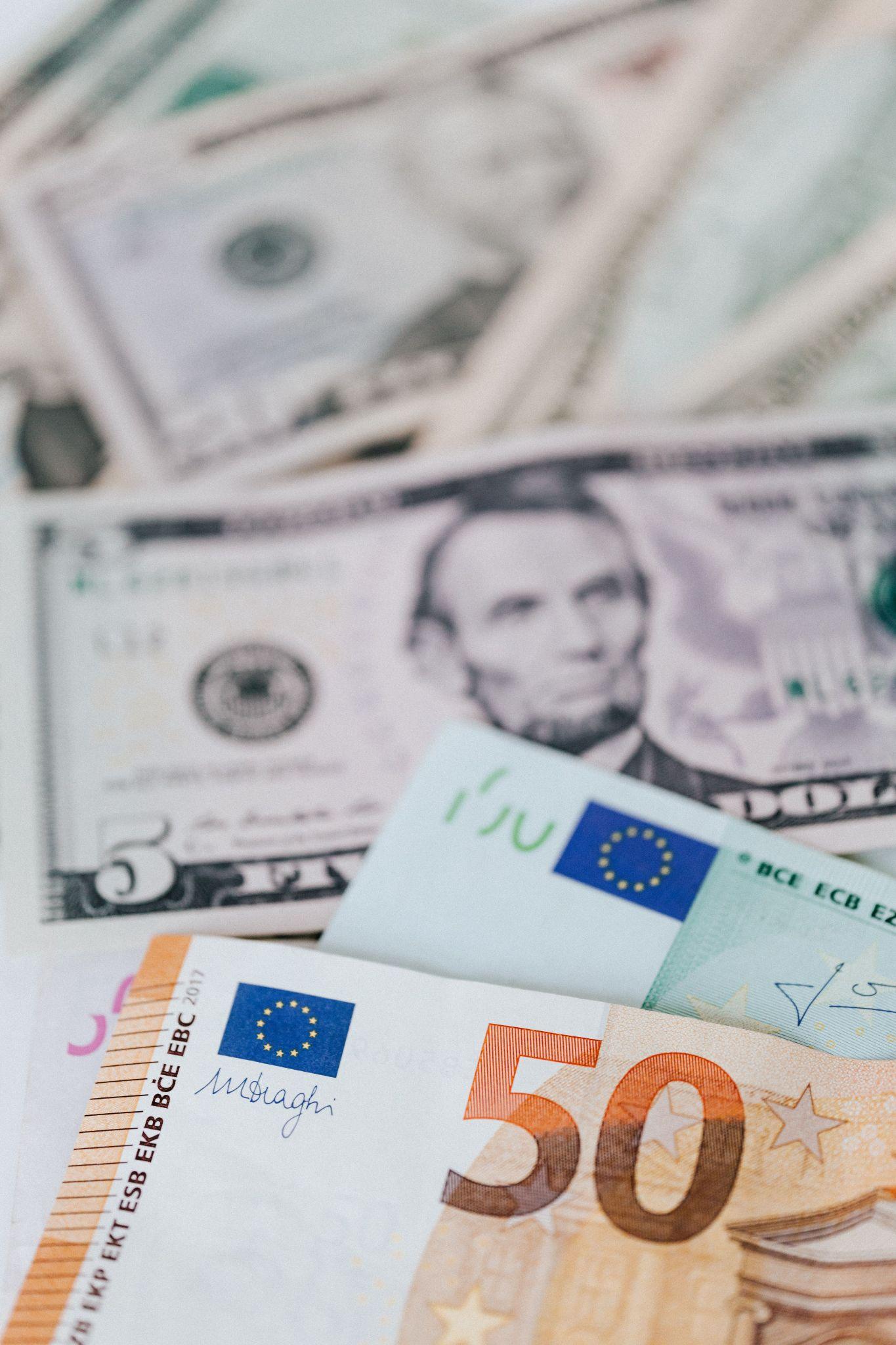

A direct-to-consumer brand that opens euro, sterling and Canadian dollar storefronts has also opened a currency position, whether or not anyone on the team calls it that. Customers pay in local currencies, while the business may report results in dollars. Each payout cycle settles the difference at the exchange rate available that week.
Hedging Is No Longer Reserved for Corporate Treasury
Large retailers have long locked in rates on expected foreign revenue through bank forward contracts. Founder-led brands often find credit requirements and minimum sizes out of reach. Regulated online trading platforms offer another form of currency-market access, although access does not establish whether a product suits a business.
OANDA Corporation is one example. It is registered with the Commodity Futures Trading Commission as a Futures Commission Merchant and Retail Foreign Exchange Dealer, and is a National Futures Association member. It offers corporate accounts to eligible US-registered entities, with more than 68 currency pairs available. Whichever provider a brand considers, its registration can be checked through the NFA’s BASIC database.
Spreads and financing charges belong in the budget alongside processor fees. Leveraged forex trading carries substantial risk, and losses can exceed the amount invested. Brands should assess suitability with qualified financial and accounting advisers, rather than treating a trading account as guaranteed protection.
Why Reported and Constant-Currency Growth Differ
On, the Swiss running brand, offers a public example. In its second-quarter 2026 results, direct-to-consumer net sales rose 26.0% in Swiss francs to CHF 388.4 million, compared with 34.3% on a constant-currency basis. That 8.3-percentage-point gap illustrates the currency effect on reported growth, not necessarily lost cash or weaker demand.
A smaller DTC label may have far fewer treasury resources. Its exposure tends to gather in three places: revenue collected in foreign currencies, processor payouts converted back to dollars, and inventory or marketing commitments priced in one currency but funded from another.
Start With Natural Offsets
Before opening a position, a brand can look for ways to shrink the exposure itself. Paying a European fulfillment partner, marketing budget or creator fees in euros from euro revenue can offset part of the currency risk.
According to Shopify’s Help Center, eligible Advanced and Plus merchants in supported regions can receive payouts in multiple currencies. Matching bank accounts and other requirements apply. Avoiding conversion does not remove all charges: non-domestic-currency payout fees can still apply.
Pricing is the other lever. If automatic conversion sets local prices, a currency move can quietly reprice a product overnight. Fixed price lists by market, reviewed on a set schedule, put the timing of those changes back in the brand’s hands. Whatever remains after these offsets is the net exposure to assess.

Writing a Currency Policy Before the Next Swing
Hedging without a written policy can drift into speculation. The aim is to manage business exposure, not to turn currency movements into a separate source of trading profit.
Accounting needs an early conversation too. Finance and accounting advisers can explain how the chosen arrangements affect financial reporting. Retail, finance and operations teams should coordinate before adding another currency or financial product.