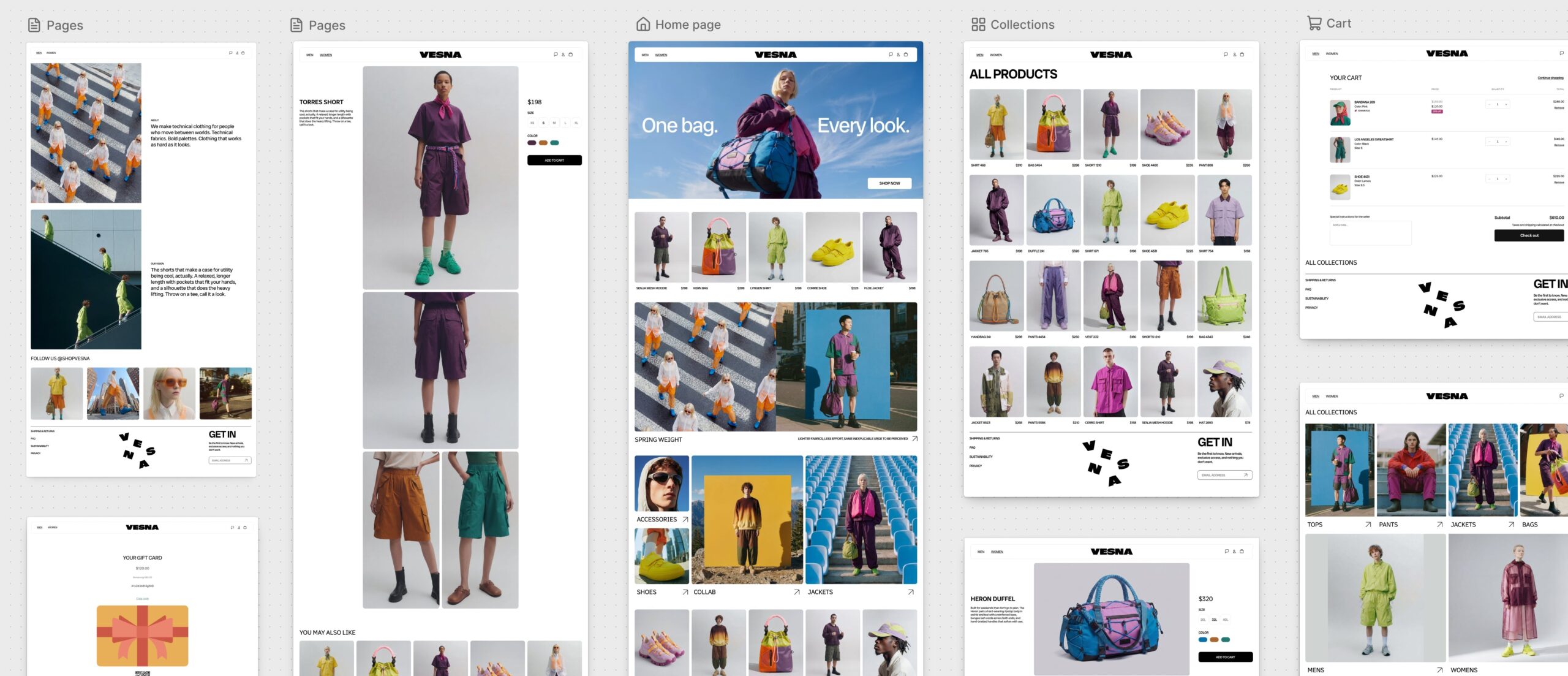


Notice how some of your favorite stores suddenly feel different online? Checkouts got faster, the mobile app stopped freezing at the worst possible moment, or the size you wanted finally showed as in stock instead of disappearing the second you tried to add it to your cart. Most shoppers never think about why. The honest answer usually has nothing to do with a redesign and everything to do with what’s happening behind the scenes: many retailers are quietly tearing out the software that’s been running their entire online store and replacing it with something built for how people actually shop now
The systems most stores are still running weren’t built for this
A huge share of online retail still runs on e-commerce platforms that are, in software terms, genuinely old, some of it dating back to a period when “online store” meant a single website, checkout was a once-a-day batch process, and nobody was buying from a phone on a train platform with three bars of signal. Those platforms did their job well for a long time. What they weren’t built for is running a single, consistent shopping experience across a website, a mobile app, an in-store kiosk, and a customer service chatbot all pulling from the same live inventory at once, which is exactly what shoppers now expect without ever thinking about it as a “feature.”
Why this is happening now, specifically
Online shopping habits shifted hard and fast over the past several years, more mobile, more cross-device (start on the app, finish on a laptop), more impatience with anything that feels slow or inconsistent. Retailers running on older platforms found themselves bolting on more and more workarounds just to keep up, a patch here for mobile checkout, a separate system there for inventory sync, until the whole setup became expensive to maintain and painfully slow to change. At some point, patching an old system costs more than replacing it, and a lot of retailers are hitting that point at roughly the same time.
What actually changes for the person shopping, not the person coding
None of this is really visible from the outside, which is exactly the point when it’s done well. But the effects show up constantly without shoppers connecting the dots: pages that load in under a second instead of several, a cart that doesn’t lose its contents if you switch from your phone to your laptop halfway through, real-time inventory that doesn’t show something “in stock” only to fail at checkout, and search that actually understands what you typed instead of returning three random unrelated products. Every one of those small frustrations disappearing is usually a sign of exactly this kind of platform change happening quietly in the background.
It’s a bigger shift than any single retailer
This isn’t one or two stores doing a website refresh. It’s an industry-wide move away from rigid, all-in-one e-commerce platforms toward more flexible, modular systems that can be swapped and upgraded piece by piece instead of requiring a total rebuild every time shopping habits change again, which, if the last few years are any indication, they will. Netguru’s breakdown of why legacy commerce platforms are struggling to keep up covers the technical side of this shift in more detail, for anyone curious what’s actually happening under the hood of the stores they shop at every week.
The next time a favorite store’s checkout suddenly feels faster or its app stops glitching out of nowhere, there’s a decent chance the real story isn’t a redesign. It’s a rebuild.