The fashion business operates on four interconnected levels: the primary level, the secondary level, the retail level, and the auxiliary level. Each level is vital in bringing fashion products from raw materials to consumers. Understanding these levels is essential for anyone aspiring to work in or engage with the fashion industry. In this comprehensive guide, we will explore the four levels of the fashion industry: the primary level, the secondary level, the retail level, and the auxiliary level. Let’s dive in!
Levels of the Fashion Industry & Brands
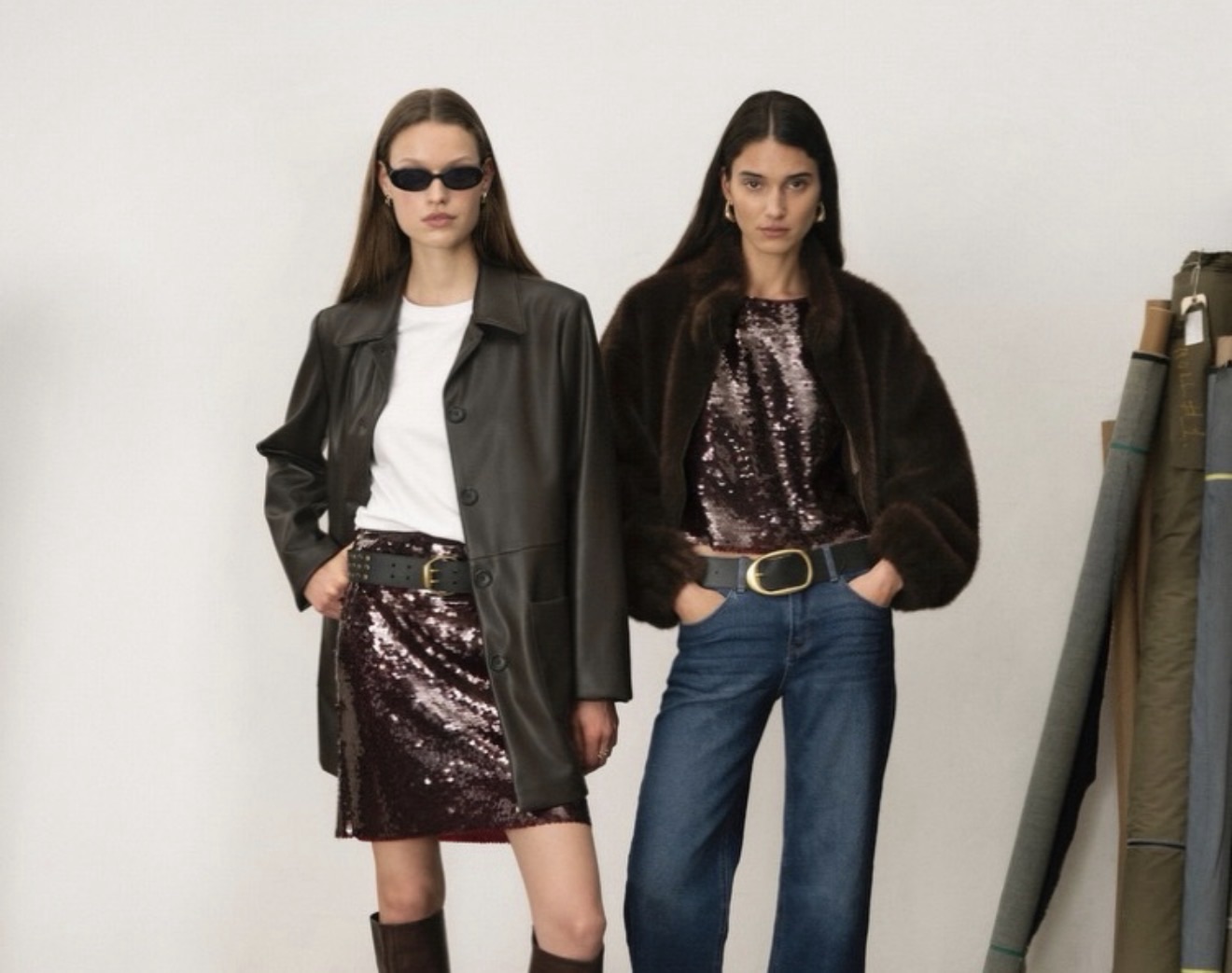
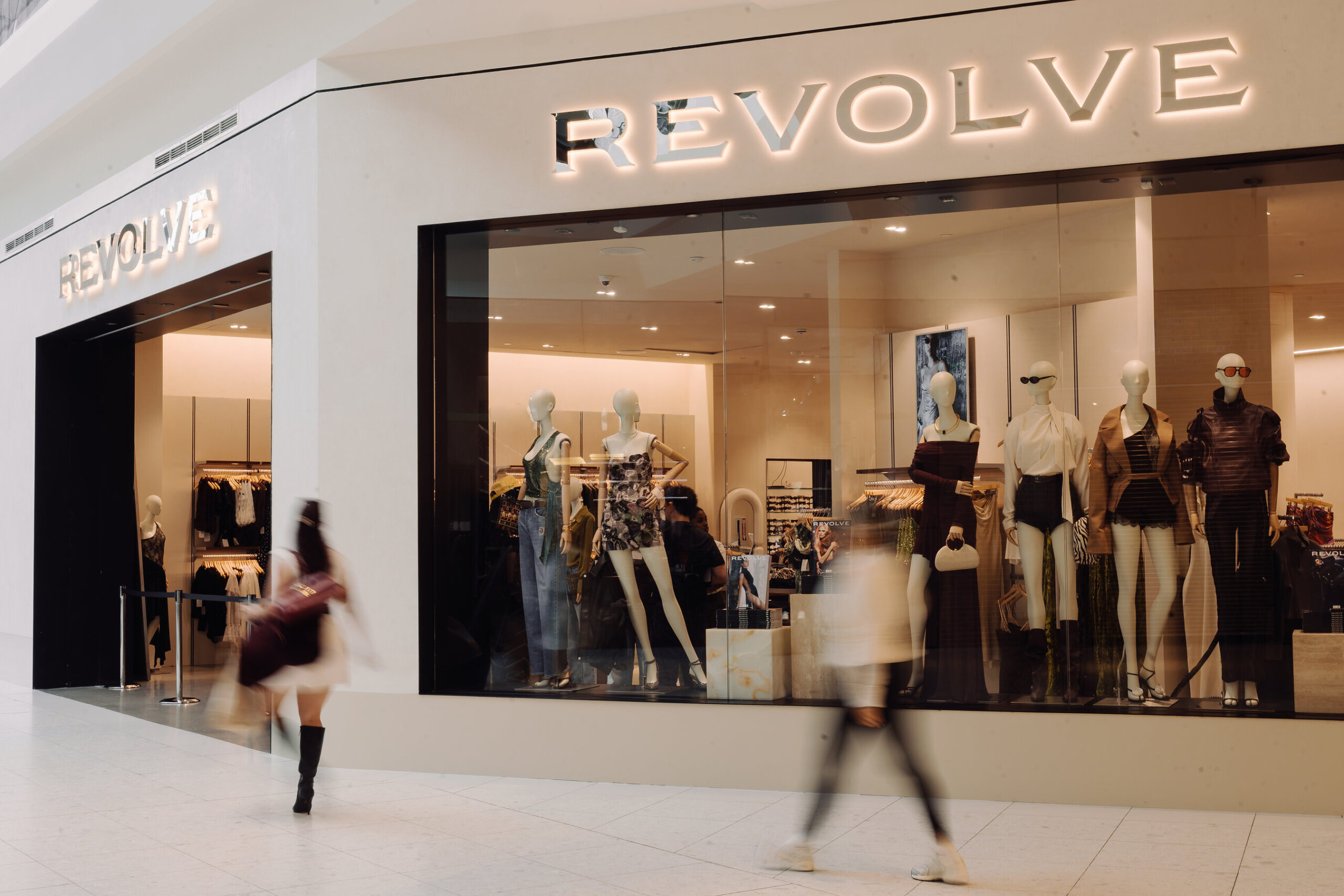
Level Description Primary Level Sourcing Raw Materials: Fabric sourcing, fiber processing, yarn production, fabric production, fabric finishing. Secondary Level Designing and Manufacturing: Creating line concepts, line development, line presentation, sample development, production planning, production, finishing, distribution. Retail Level Connecting with Consumers: Department stores, specialty stores, factory outlet stores, boutiques, online e-shops, TV home shopping. Auxiliary Level Supporting the Industry: Fashion media, professional…
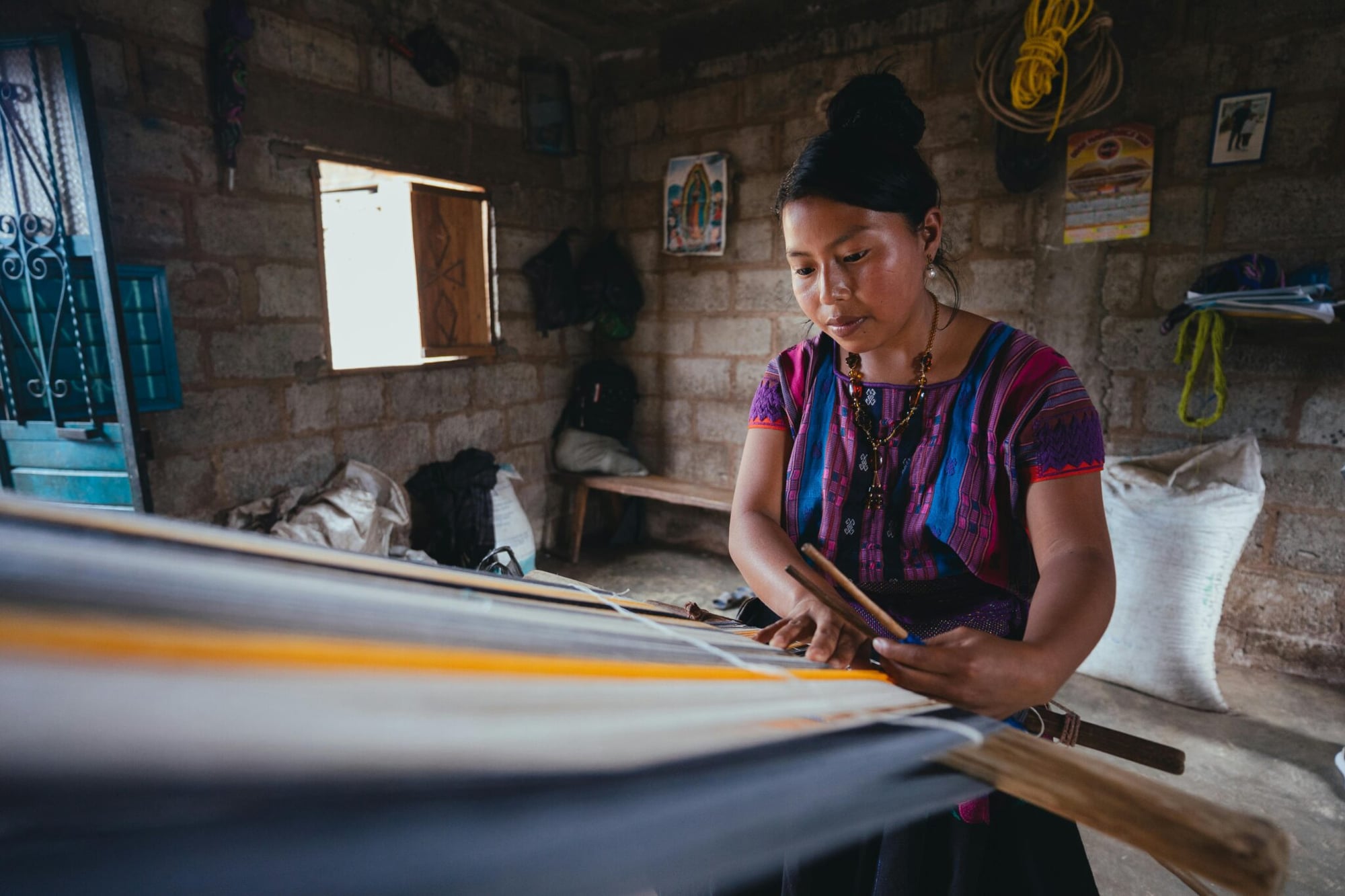
and trade organizations, promotion agencies, public relations specialists, retail consultants. 1. The Primary Level: Sourcing Raw Materials The primary level of the fashion industry lies at the foundation, which focuses on producing and sourcing raw materials.
This level is responsible for transforming natural and artificial fibers into the textiles and fabrics that form the basis of fashion products. Fiber Processing The primary level begins with fiber processing, where various types of fibers are prepared for textile production.
Fibers can be classified into two categories: natural fibers and manufactured fibers. Natural fibers include wool, silk, cotton, flax, jute, and more. On the other hand, manufactured fibers are artificial or synthetic, such as acetate, acrylic, rayon, nylon, polyester, olefin, and spandex.
Yarn Production Once the fibers are processed, they move on to yarn production. Yarn is the result of spinning, throwing, and texturing the fibers. It serves as the foundation for fabric production in the next stage. Fabric Production Fabric production involves weaving, knitting, braiding, felting, and needle punching…
Discussion
0 Comments
No comments yet
Start the conversation
Share your take on this story and help shape the discussion.
Sign in to join the discussion.