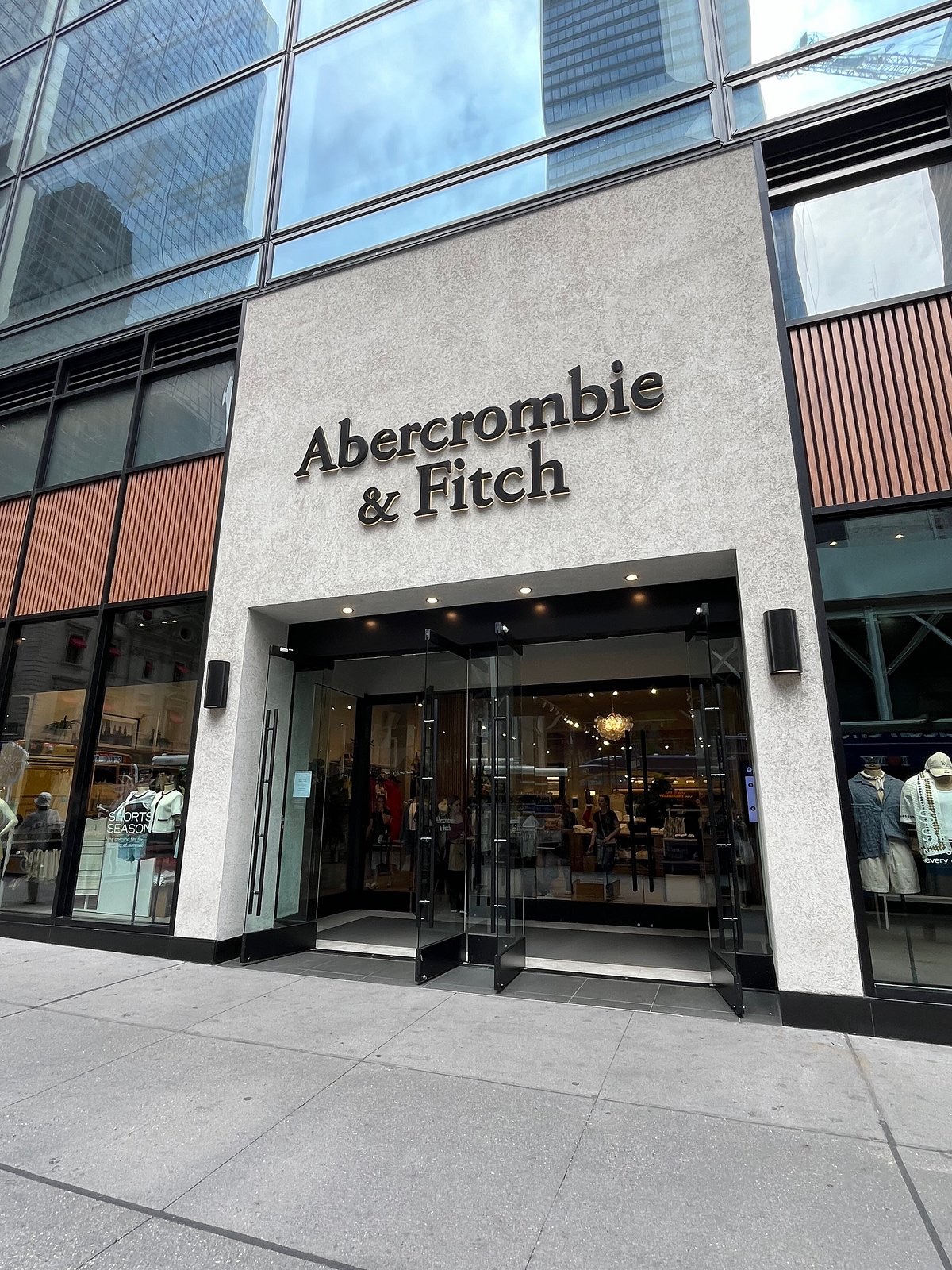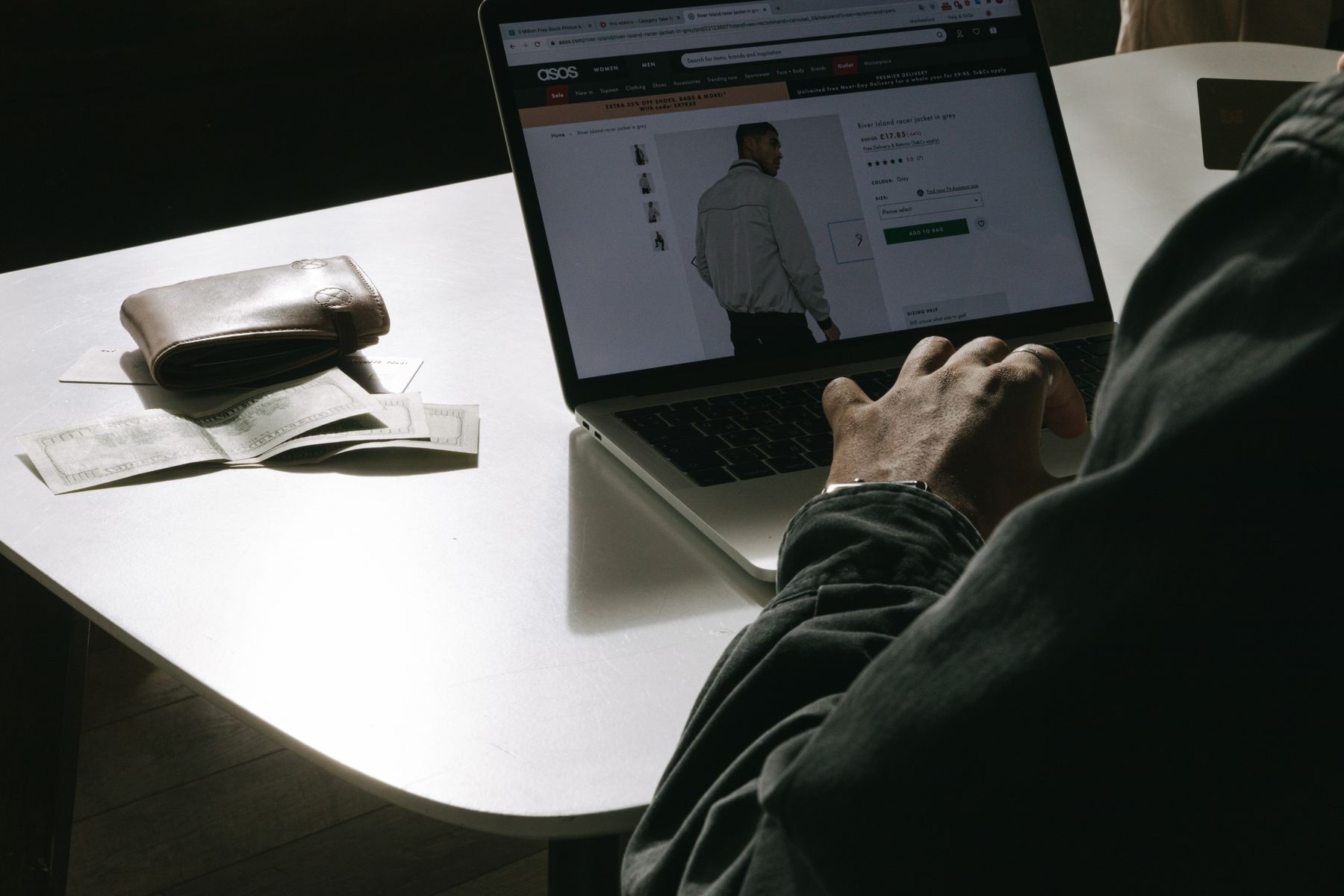
With the holiday season in full swing, it’s vital to recognize the latest tactics used by scammers and the methods to identify fake online shopping websites. With over $1 trillion spent on online retail in the U.S. in 2022 alone, scammers are increasingly creating fake shopping sites to exploit unsuspecting buyers.
For holiday-specific scams, be wary of fake online stores, fake delivery notifications, auction fraud, and gift card scams. Here’s how to identify these deceptive platforms and protect your personal information.
RB Insights
- Online shopping fraud is prevalent, with over 327,000 complaints reported in 2022.
- Fake sites often offer unrealistically low prices on popular products.
- Look for signs like poor image quality, broken links, and suspicious URLs.
1. It’s Easy To Create Fake Online Websites
Setting up an online presence has never been easier. With numerous platforms offering simple website creation tools, anyone can launch a site with minimal technical…
skills. This accessibility benefits legitimate businesses but also allows scammers to operate with ease. Things to Spot for Fake Sites Indicator Description URL lacks HTTPS Look for secure URLs with ‘HTTPS’ and a padlock symbol. Poor Grammar Multiple typos and grammatical errors are red flags.
Suspiciously Low Prices Deals that seem too good to be true typically are. No SSL Certificate Verify SSL using ‘https://www.digicert.com/help/’. Fake Reviews Check multiple sources for consistent, credible reviews. Unclear Privacy Policy Legit sites have clear, detailed privacy policies.
No Contact Information Lack of contact info or fake addresses/phone numbers. 2. Types of Fraudulent Online Websites Fraudulent websites can take various forms: Imposter Sites: Mimic well-known retailers like Amazon or Netflix. Generic Retail Sites: Designed to capture the look and feel of legitimate shopping platforms.
Traffic Diversion: Uses phishing emails, deceptive ads, and social media promotions to attract users. Consequences: Users may unknowingly download malware or provide sensitive information. Scammers often drive traffic to these sites through phishing emails, deceptive ads, or social media…
Members-only article
Unlock the rest of this story
Join free to keep reading RetailBoss insights coverage, industry analysis, and market intelligence.
- Full article access
- Industry analysis
- Free account
Free access. No credit card required. Your account is created after you verify your email.

Discussion
0 Comments
No comments yet
Start the conversation
Share your take on this story and help shape the discussion.
Sign in to join the discussion.