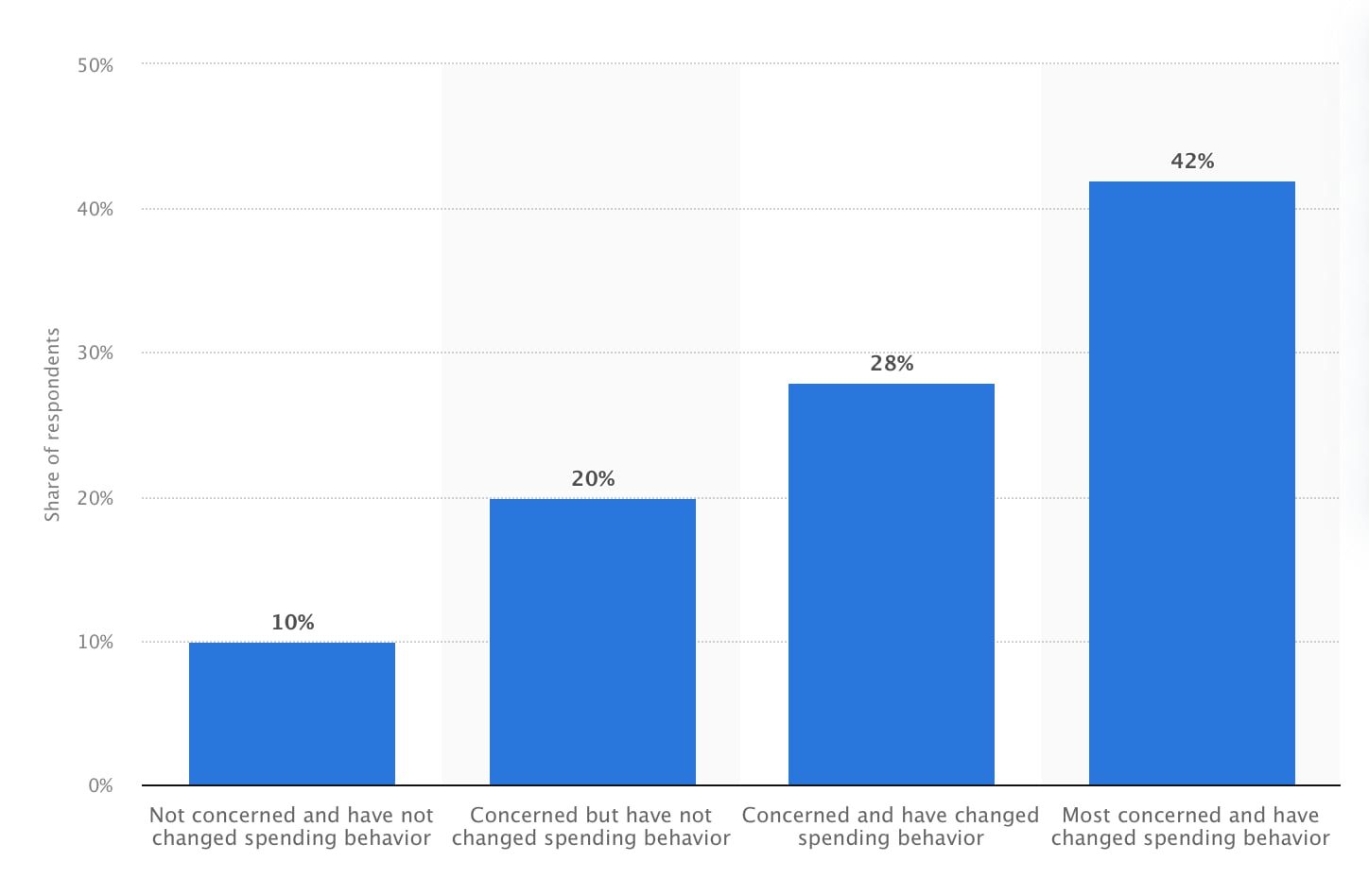
In 2023, financial anxiety reached unprecedented levels among global consumers, significantly impacting their spending behaviors. A staggering 90 percent of consumers across all generations expressed concerns regarding their financial situations. According to a report by Statista, 70 percent of global consumers reported altering their spending patterns, particularly in non-essential categories. These adjustments reflect a cautious approach to managing household finances amidst ongoing inflationary pressures.
The increasing costs of goods and services, driven by entrenched inflation, played a crucial role in shaping consumer behavior. As prices soared, many individuals opted to curtail discretionary spending, prioritizing essential purchases instead. Merchants and retailers were compelled to respond to these evolving consumer needs by reevaluating their pricing strategies and value propositions. Discounts, promotions, and loyalty programs became more prevalent as businesses sought to retain customer loyalty and maintain revenue streams.
Changed spending behavior for global consumers in 2023

This phenomenon aligns with findings from…
other studies. For instance, the US Bureau of Economic Analysis (BEA) detailed in its December 2023 report that personal outlays, encompassing personal consumption expenditures (PCE), personal interest payments, and personal current transfer payments, increased by $134.7 billion or 0.7%.
Concurrently, consumer spending rose by $133.9 billion (also 0.7%). While there was an increase in consumer activities, the nature and direction of spending were impacted by the prevailing economic conditions. Another noticeable trend was the shift towards frugality and conscious spending.
Many consumers embraced more frugal and deliberate spending habits, driven significantly by inflationary concerns. Practices like buying secondhand, opting for off-brand products, and focusing on essential purchases became more prevalent as individuals sought to manage their expenses more effectively.
Quality and price sensitivity dominated consumer decisions, with many reportedly reducing discretionary spending in favor of necessary expenditures. McKinsey’s report from late 2023 corroborates this, indicating an intention among consumers to cut back on discretionary categories even as some segments saw a…
Discussion
0 Comments
No comments yet
Start the conversation
Share your take on this story and help shape the discussion.
Sign in to join the discussion.