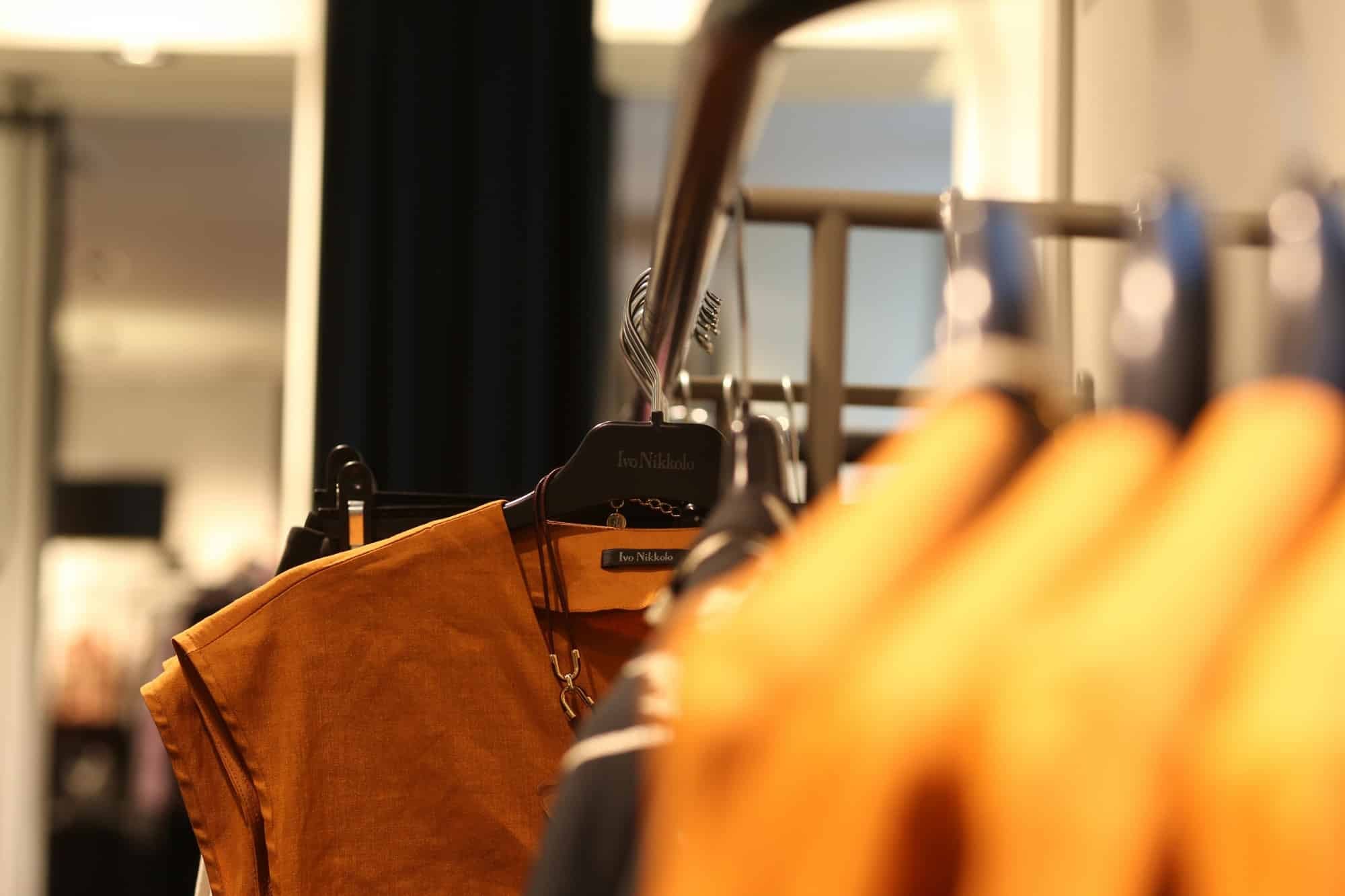
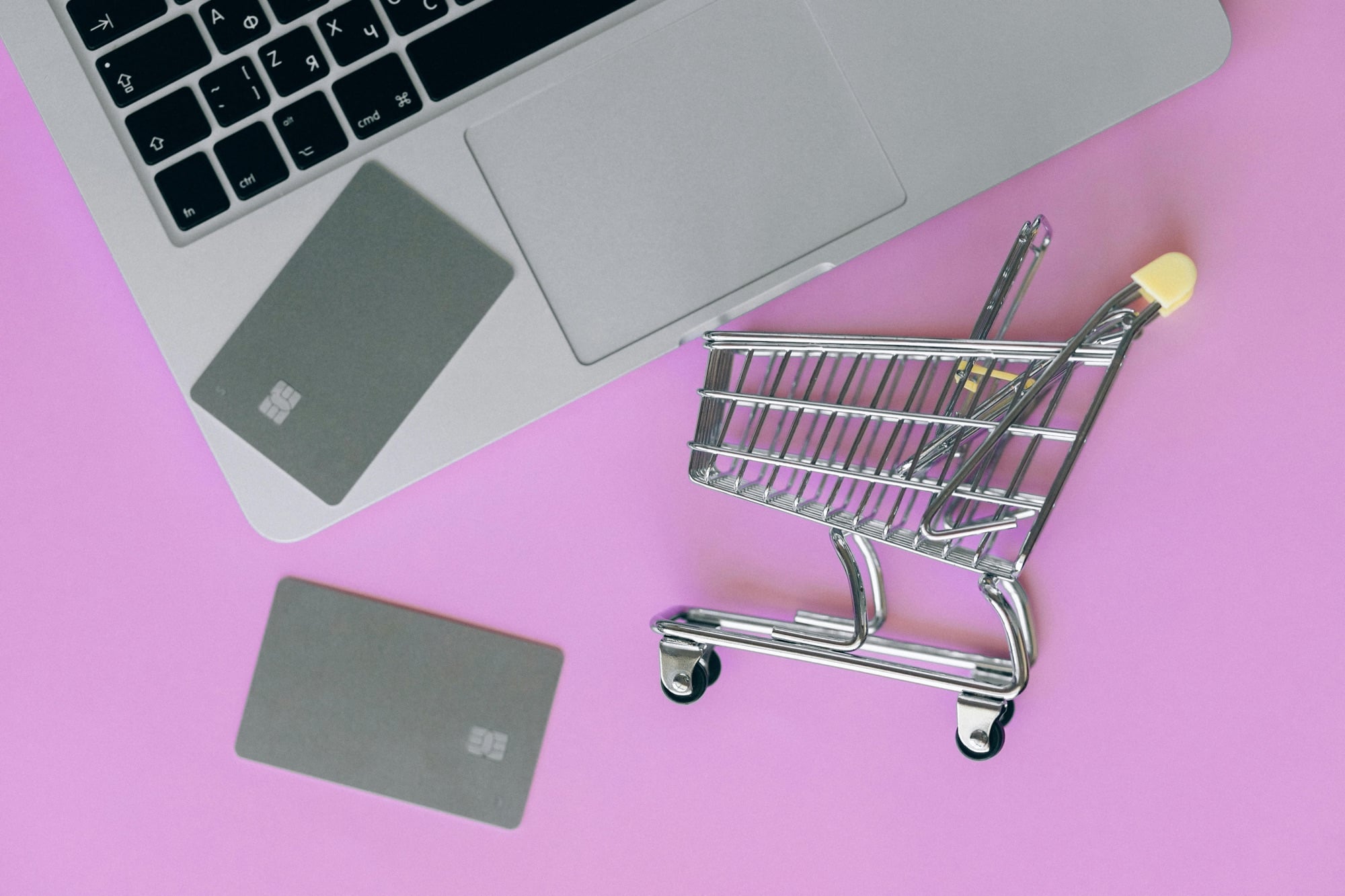
In simpler terms, when tariffs increase costs for businesses, those costs are often passed on to consumers. In a world where every dollar counts, these tariffs could stretch your budget further and reshape the entire retail industry. So, the next time you’re shopping, remember that U.S.
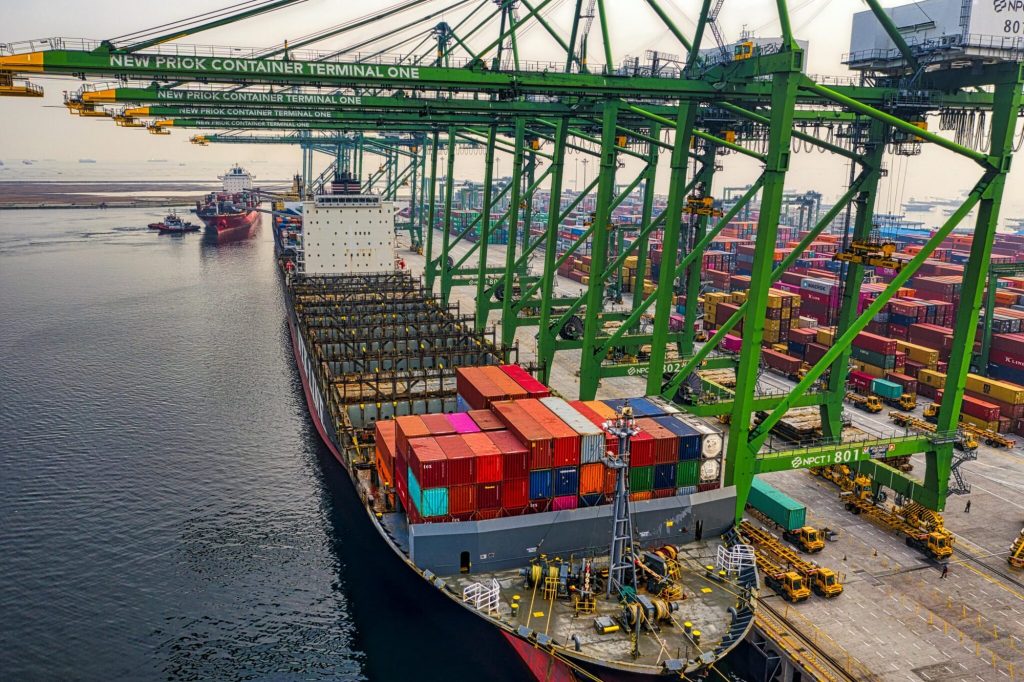
trade policies play a big role in the prices you see. Let’s dive into what tariffs are, how they affect retail prices, and what you can expect as a U.S. consumer. What Are Tariffs? A tariff is a tax imposed on goods entering or leaving a country. The revenue generated from these taxes is known as customs duty.
In the United States, tariffs are collected by U.S. Customs and Border Protection (CBP). In 2022, the U.S. collected $85 billion in tariffs, a significant increase from previous years due to trade policies targeting China and other countries (source: U.S. International Trade Commission).
Despite this, tariffs represent a small percentage of total imports, accounting for about 1.4% of the total value of all imported goods (source: World Bank). Tariffs are often used to achieve two primary goals: Revenue Generation: Tariffs contribute to the U.S. Treasury, helping fund government operations…