

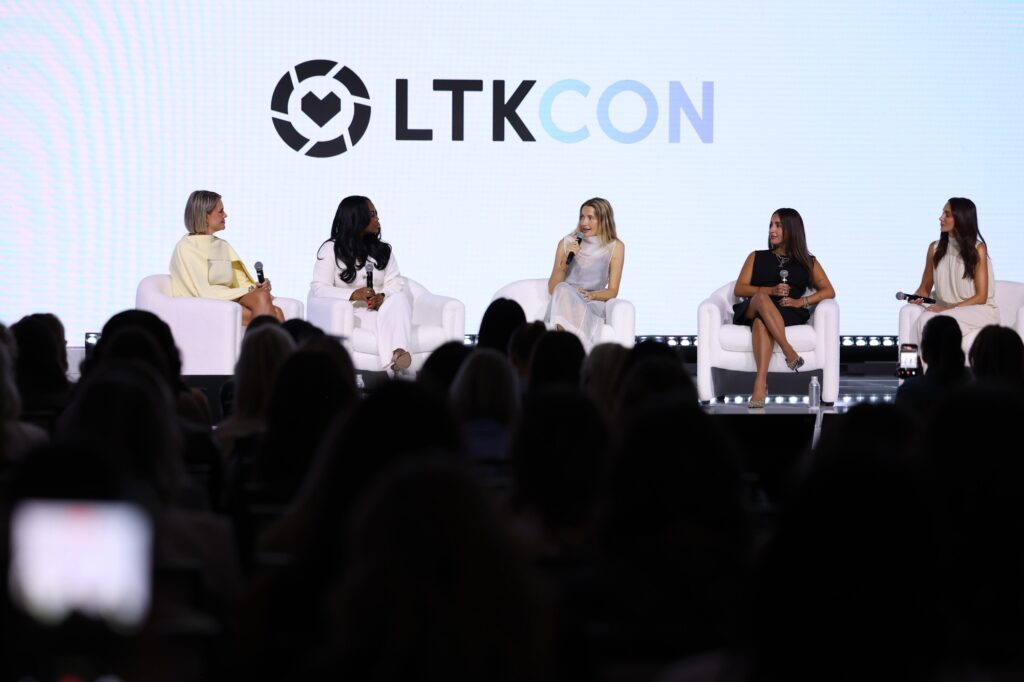
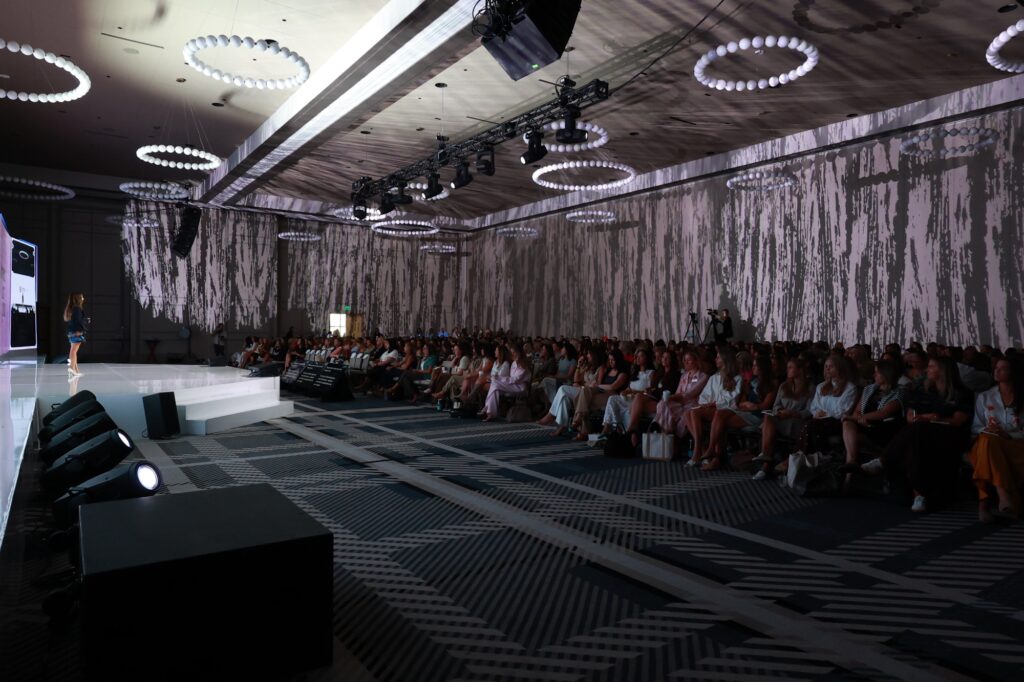
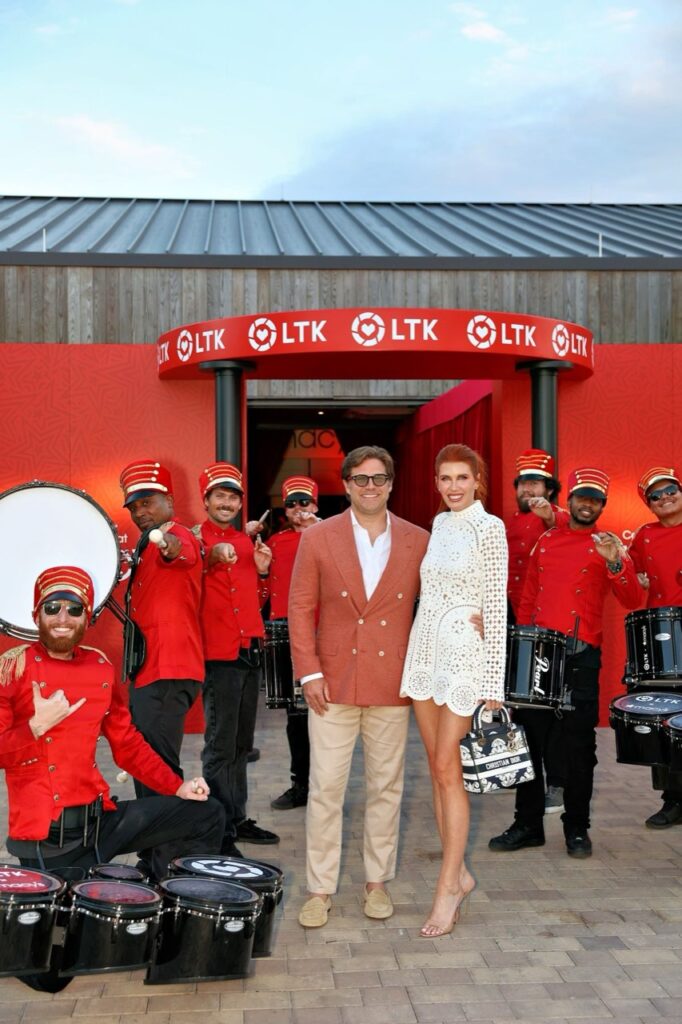
Creator commerce is becoming a broader marketing channel, connecting luxury distribution, beauty launches and everyday shopping through the people consumers trust most to for product recommendations. At LTKCon 2026, that shift was visible across the brand floor, where fashion, beauty, tech and home businesses competed for creators’ attention with products and experiences designed to travel beyond the conference.
Target previewed its new Beauty Studio, Abercrombie & Fitch built one of the event’s most memorable activations, and brands including e.l.f., Kiehl’s and SharkNinja showed the range of categories investing in creator relationships. Alongside those experiences, discussions about AI and audience development addressed the business behind the content: finding relevant partners, building campaigns and bringing shoppers back.
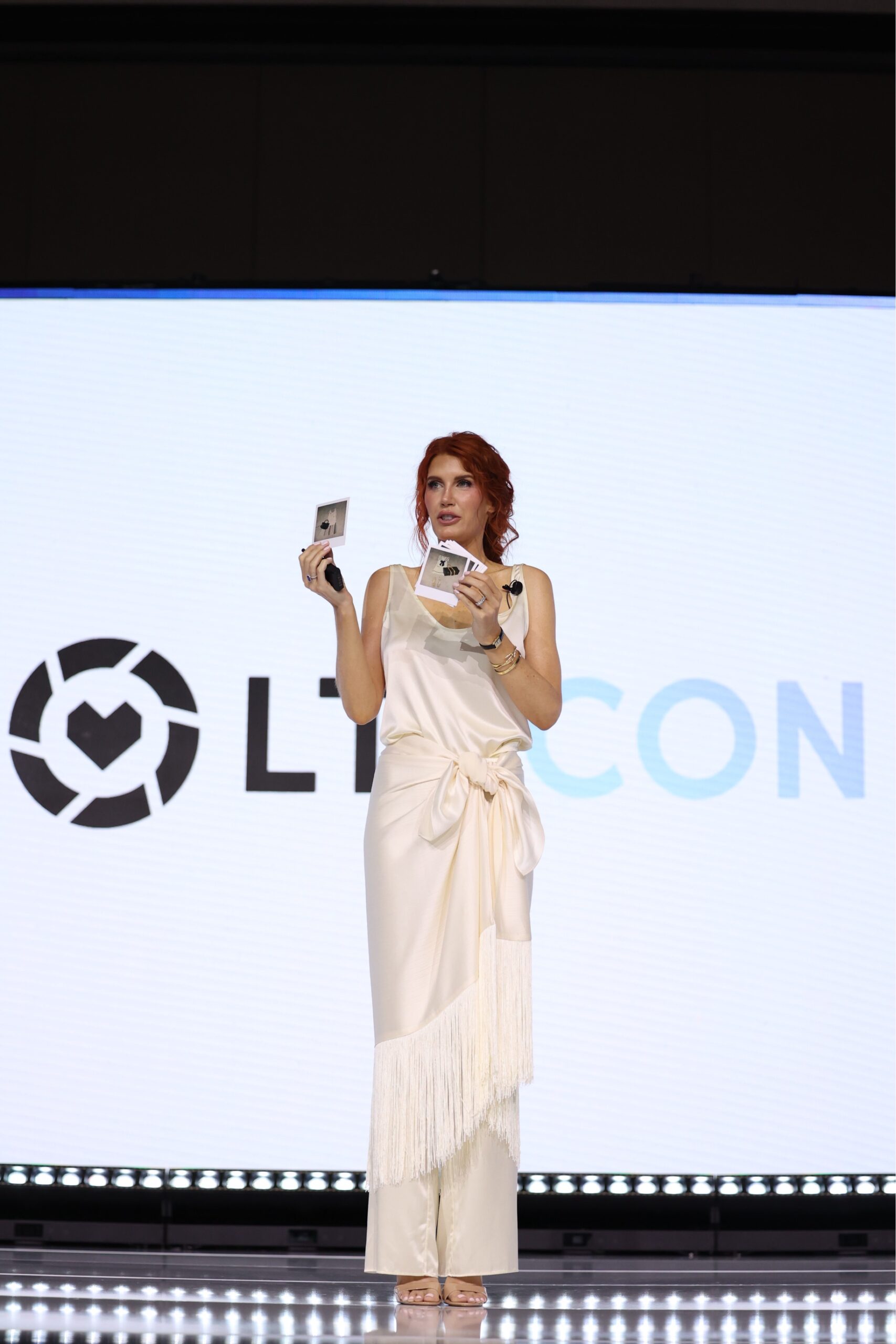
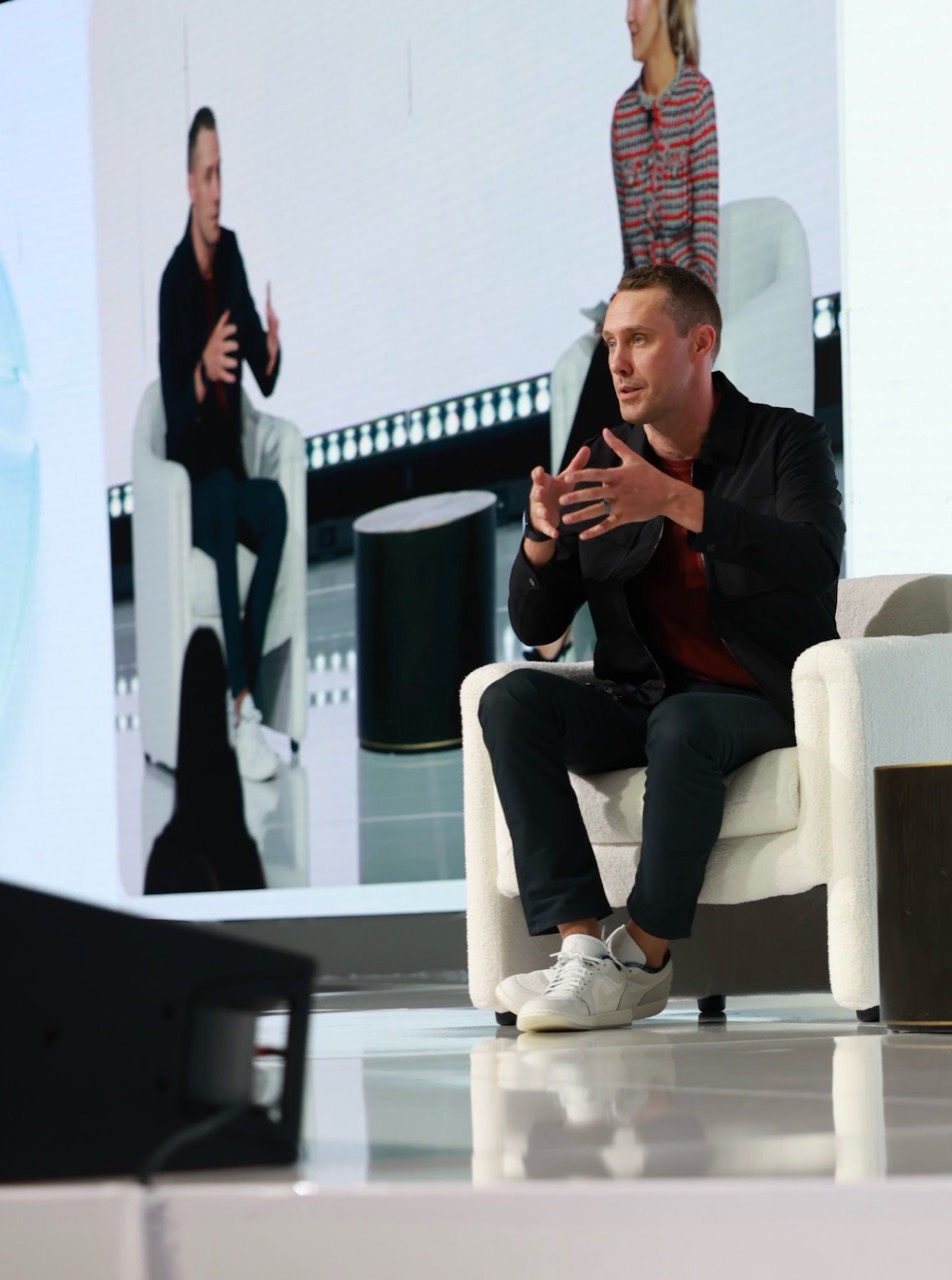

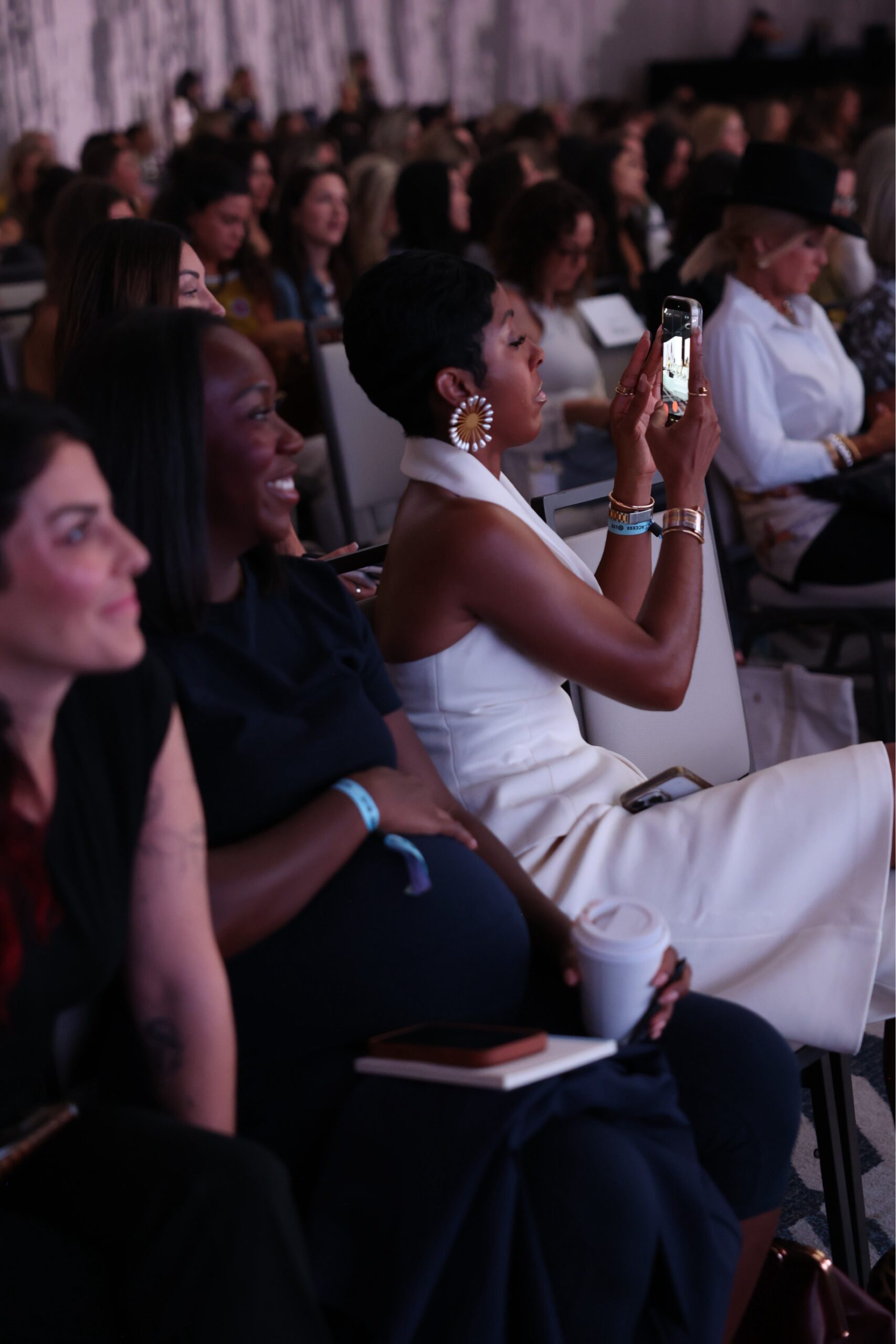
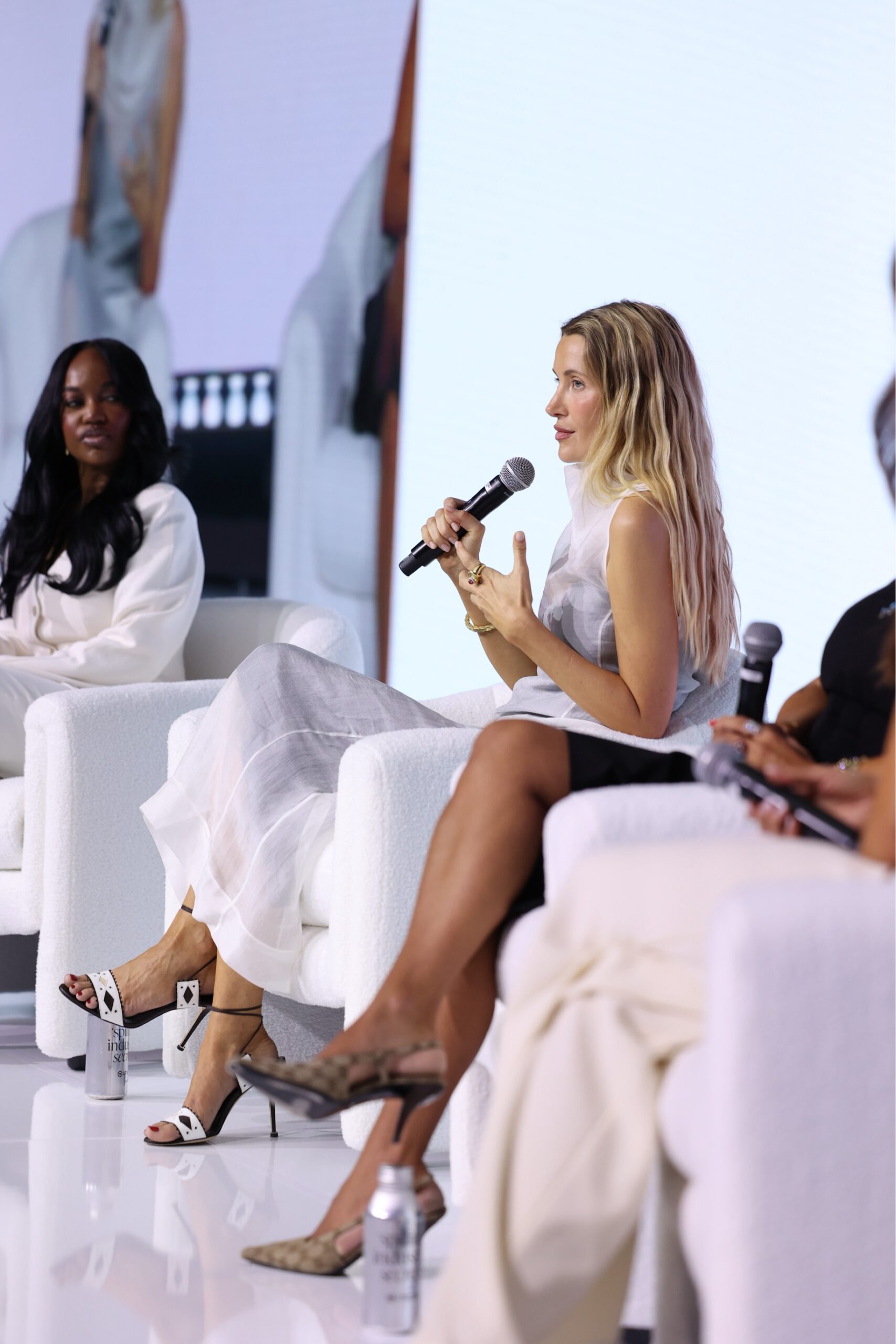
In my interview with Amber Venz Box, LTK’s co-founder and president, I wanted to understand how that opportunity differs between luxury and mass-market retail, and what the next generation of creator tools could change for both.
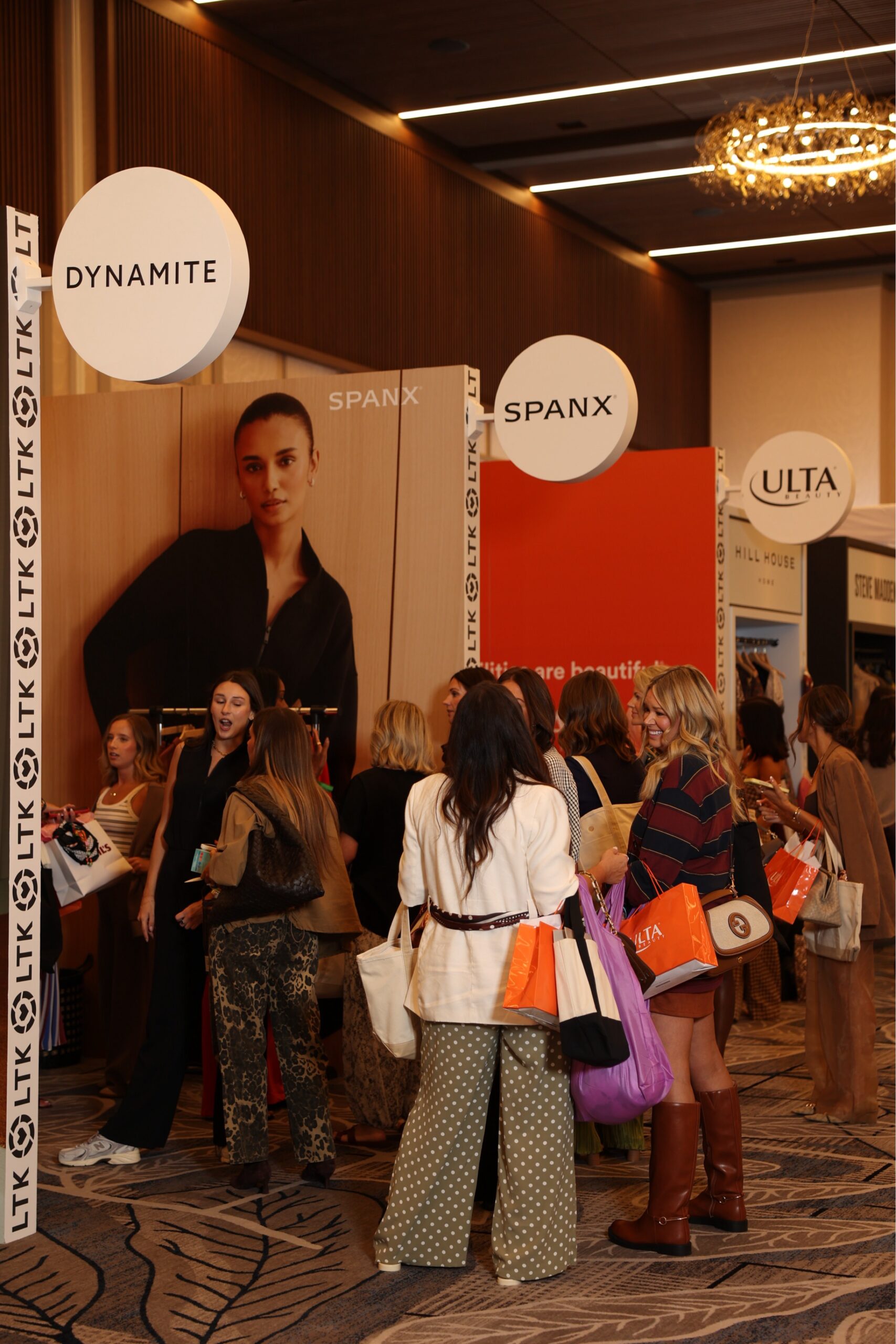
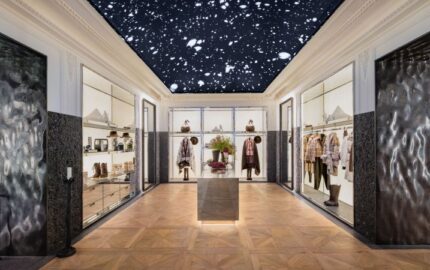
Creator commerce extends through retail partners
Luxury has often moved cautiously when adopting new retail technology. I asked Venz Box whether she still sees that hesitation when working with luxury brands compared with premium and mass-market businesses.
“What I’ve seen is a total rotation of those clients,” she said, describing how attitudes have changed since her earlier conversations with brands that prioritized physical shopping experiences.
Her explanation pointed to a broader commercial shift: digital activity is increasingly evaluated against growth and product sales. But the route to the customer is not always a direct campaign between a luxury house and a creator.
“Oftentimes the paid work is through their retail partners,” Venz Box said.
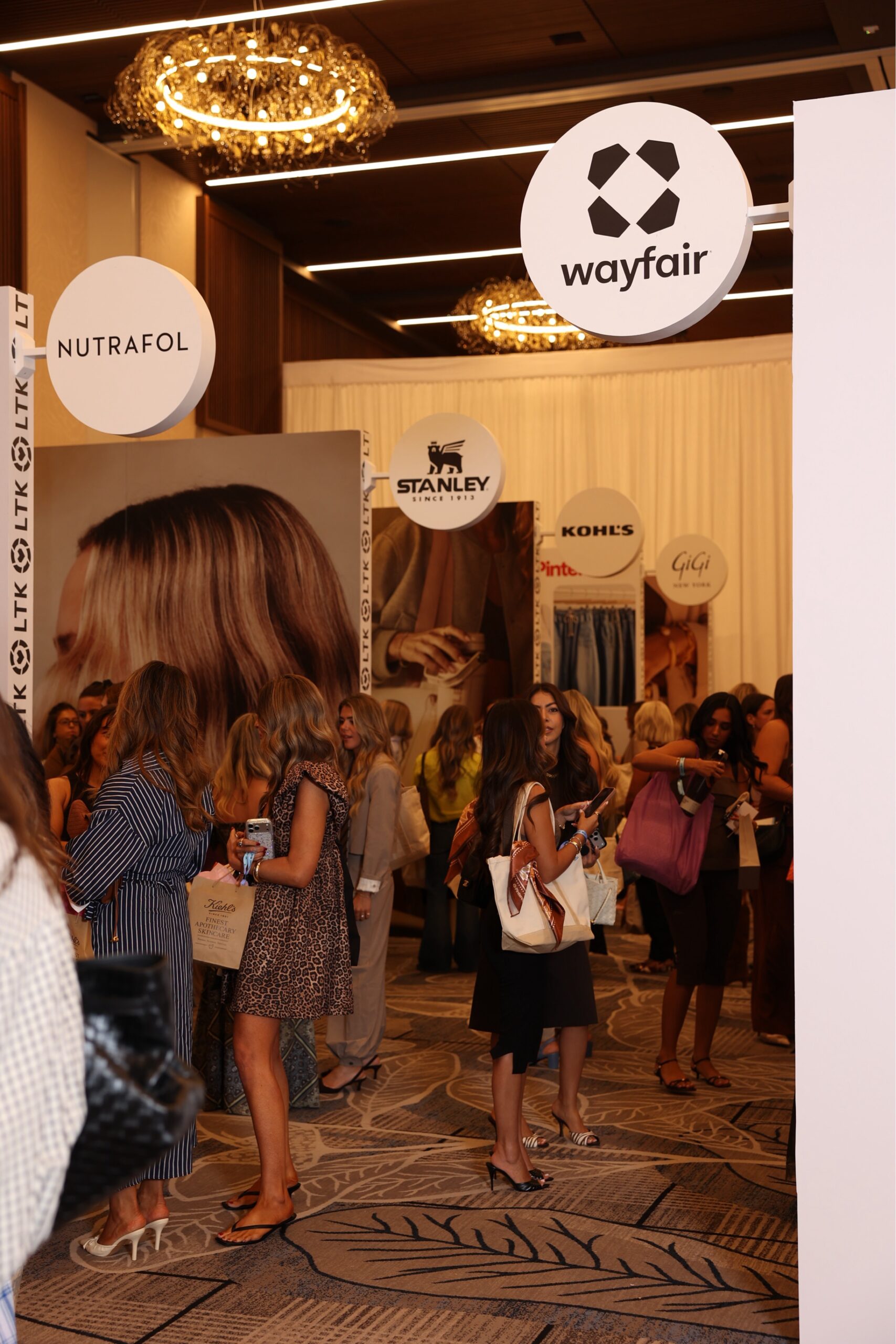
She described luxury participation through commissionable products, organic creator mentions and paid activity organized by stockists. That distinction matters for understanding the market. A department store’s creator campaign can support a luxury label while serving the retailer’s own assortment and sales priorities.
It also means luxury’s presence in creator commerce cannot be measured solely by the campaigns a fashion house commissions itself. The retail relationship is part of the story.
Target puts creators into beauty discovery before launch
Target Beauty Studio brought that connection between merchandising and creator discovery into focus. The new destination is scheduled to launch September 10 in more than 600 stores and online, with 90 prestige, emerging and global brands.
Its LTKCon preview gave creators an early look at the offering before shoppers encountered it in stores. For Target, that creates an opportunity to explain a new beauty proposition through voices customers already follow, alongside the retailer’s own launch communications.
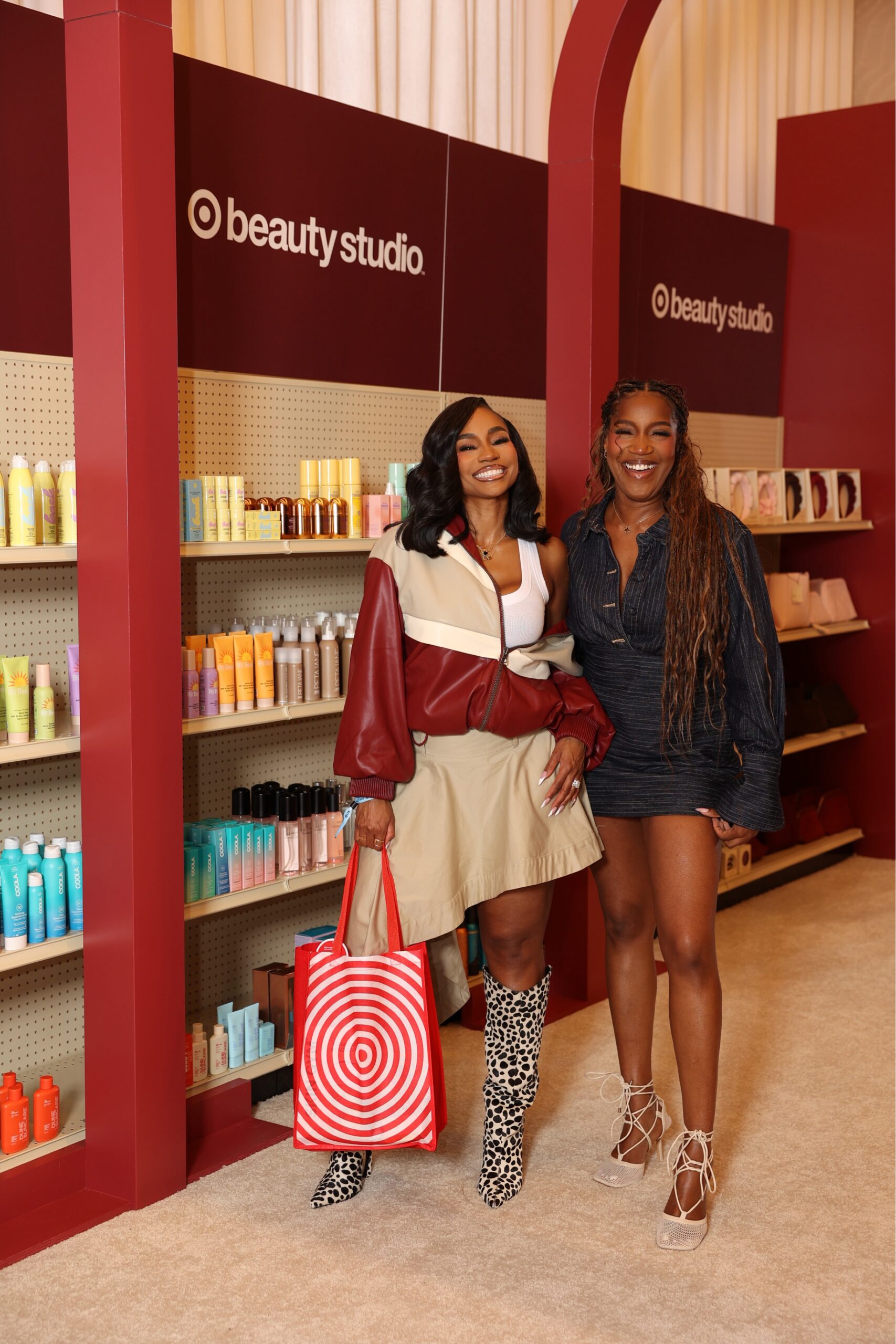
Beauty’s wider presence at the conference, including e.l.f. and Kiehl’s, showed how that approach applies across price points. Products need context: where they fit in a routine, how someone uses them and why a shopper might consider them. Creators can supply that explanation in a format that sits naturally within the content their audiences consume.
SharkNinja’s participation extended the same commercial question into appliances. The category changes, but the need to make a product understandable remains. Styling and fit matter in apparel; use and functionality matter in appliances. Creator partnerships give retailers a way to address those questions through demonstration and experience.
Abercrombie turns an activation into a collection showcase
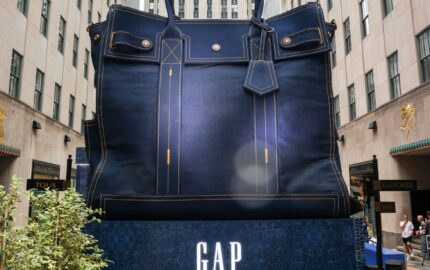
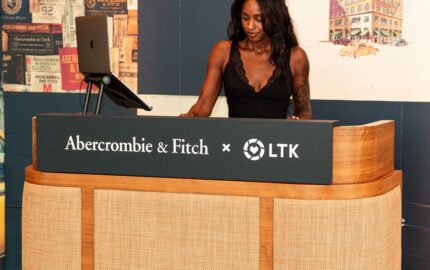
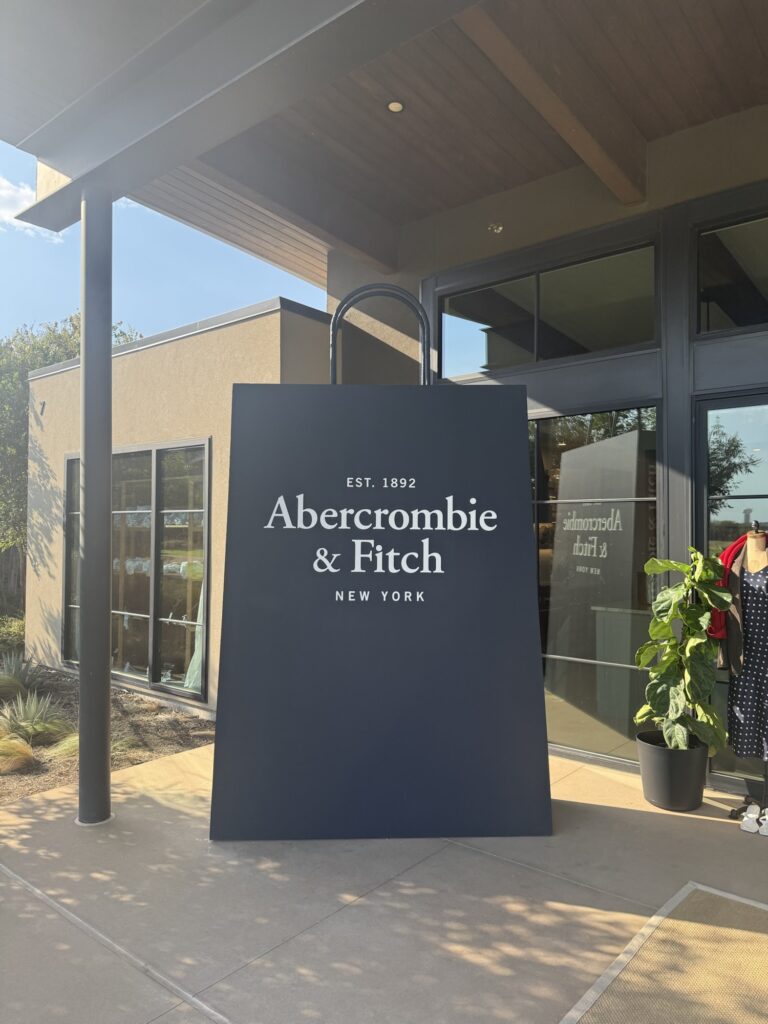
Abercrombie & Fitch was one of the larger activation standouts. A giant shopping bag gave the space a recognizable centerpiece, while a matcha station, its latest collection and sports collaborations created several reasons for creators to stop and engage.
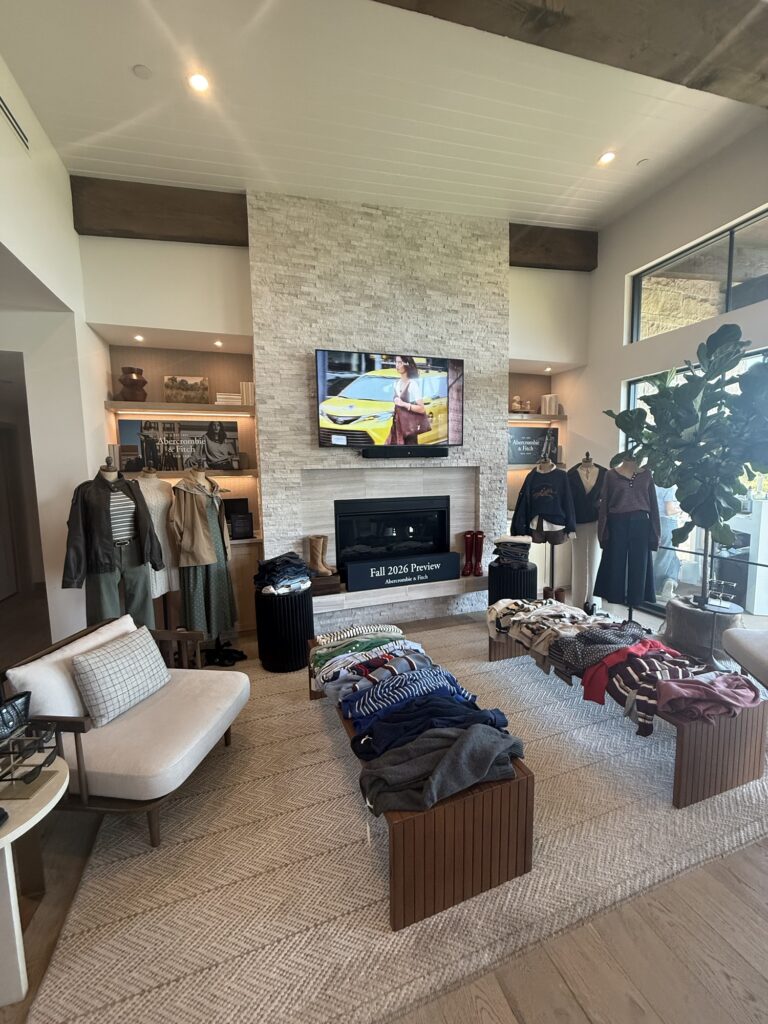
The scale made it memorable, but the assortment gave it a retail purpose. The activation brought product discovery into the experience, providing material for styling stories, collection previews and conversations about what to wear next.
Here, the brand experience gave creators a path from the photo opportunity to the merchandise. Our earlier coverage of Abercrombie’s fall preview explores the activation in more detail.
AI moves closer to the campaign brief
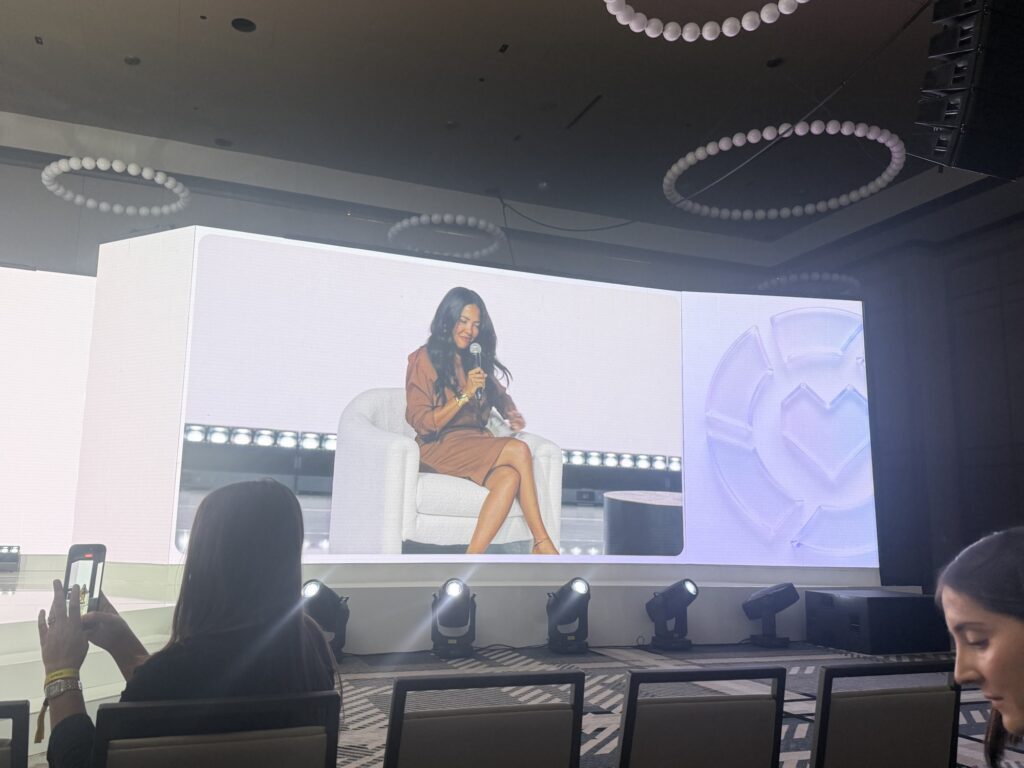
Keynote speaker Emma Grede was clear in her position on AI as an asset creators can use to build their businesses. The practical application of that idea ran through my interview with Venz Box.
I asked how brands could identify creators suited to a luxury environment. She described three approaches:
- filtering creators manually,
- refining searches through conversation, and
- the newly announced agentic experience
This is intended to connect a brand’s objective with campaign planning.
In her example, a marketer launching an $800 shoe could describe the product, store locations and a sales goal. The system would then propose creators and campaign details for the marketer to assess. The scenario was an illustration of the intended workflow, rather than a reported campaign result.
“And then you, as the marketer, can actually review the campaigns,” said Venz Box.
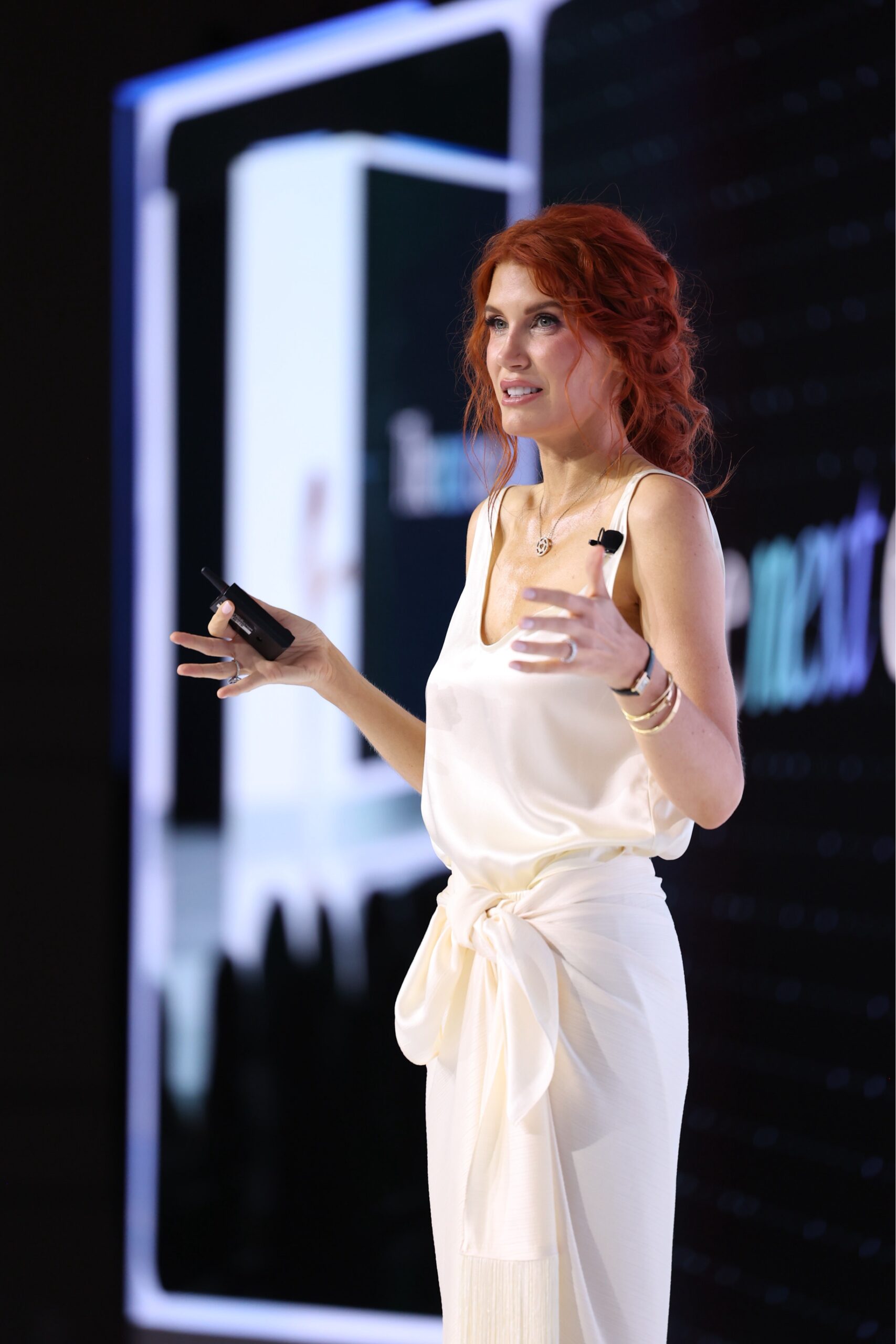
The potential value is in connecting creator selection to a commercial brief. Product category, price point and audience proximity to stores can all shape the choice. The marketer still needs to judge whether the proposed partners and content fit the brand.
Repeat discovery gives content a longer commercial life
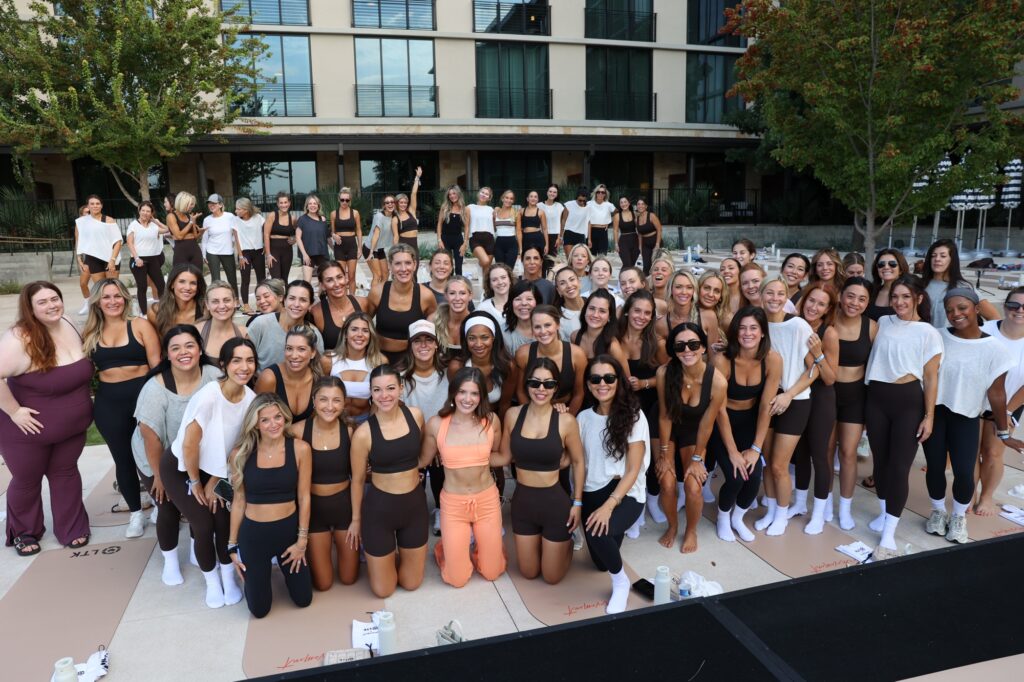
Conversations with creators also informed my questions about LTK’s product updates. I asked Venz Box how feedback makes its way into development, particularly when creators are looking for features that simplify their work.
“We’re actually set up to help people make money, and we only make money when they make money,” she said.
The discussion moved from creator tools to the shopping experience itself. Venz Box emphasized the importance of giving audiences a place to return to a creator’s content, including the information that helps them evaluate a purchase.
“The context to the piece of content matters tremendously,” she said.
That has implications for how retailers assess creator partnerships. A piece of content may continue to help shoppers discover a product after its initial social appearance. Sizing guidance, styling suggestions and demonstrations can remain useful when they are easy to find again.
Macy’s closes with a moment creators shared
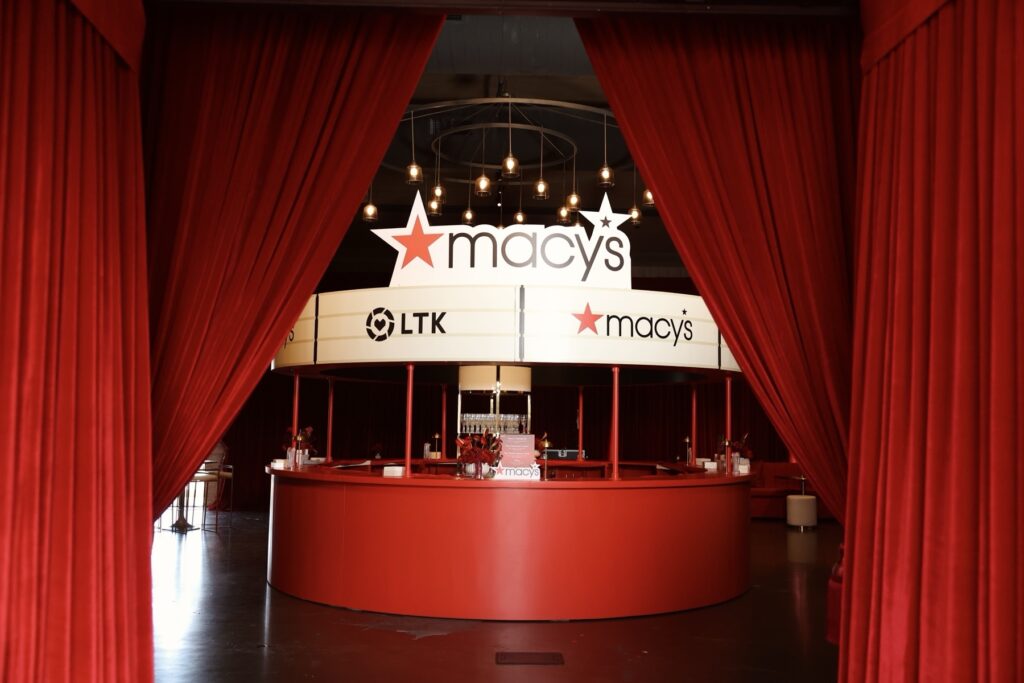
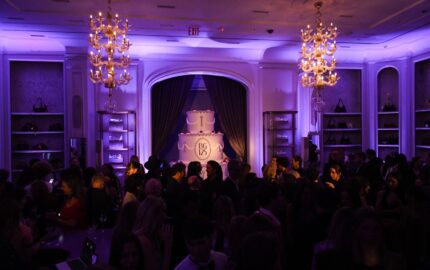
Macy’s took a different approach to its event presence through sponsorship of the closing party, bringing Daya to the stage to perform her hit songs. Her performance was a highlight of the conference and gave the gathering a memorable finish.
The sponsorship placed Macy’s within the social experience of the event, complementing the merchandise-focused activity elsewhere. It showed another role for retailers in creator relationships: supporting the occasions where that community comes together.
Across the conference, the strongest thread was the closer connection between creator content and retail marketing. The next question for brands is how to carry those relationships into a sustained affiliate program, one that links the right products with relevant audiences and gives shoppers useful reasons to return.