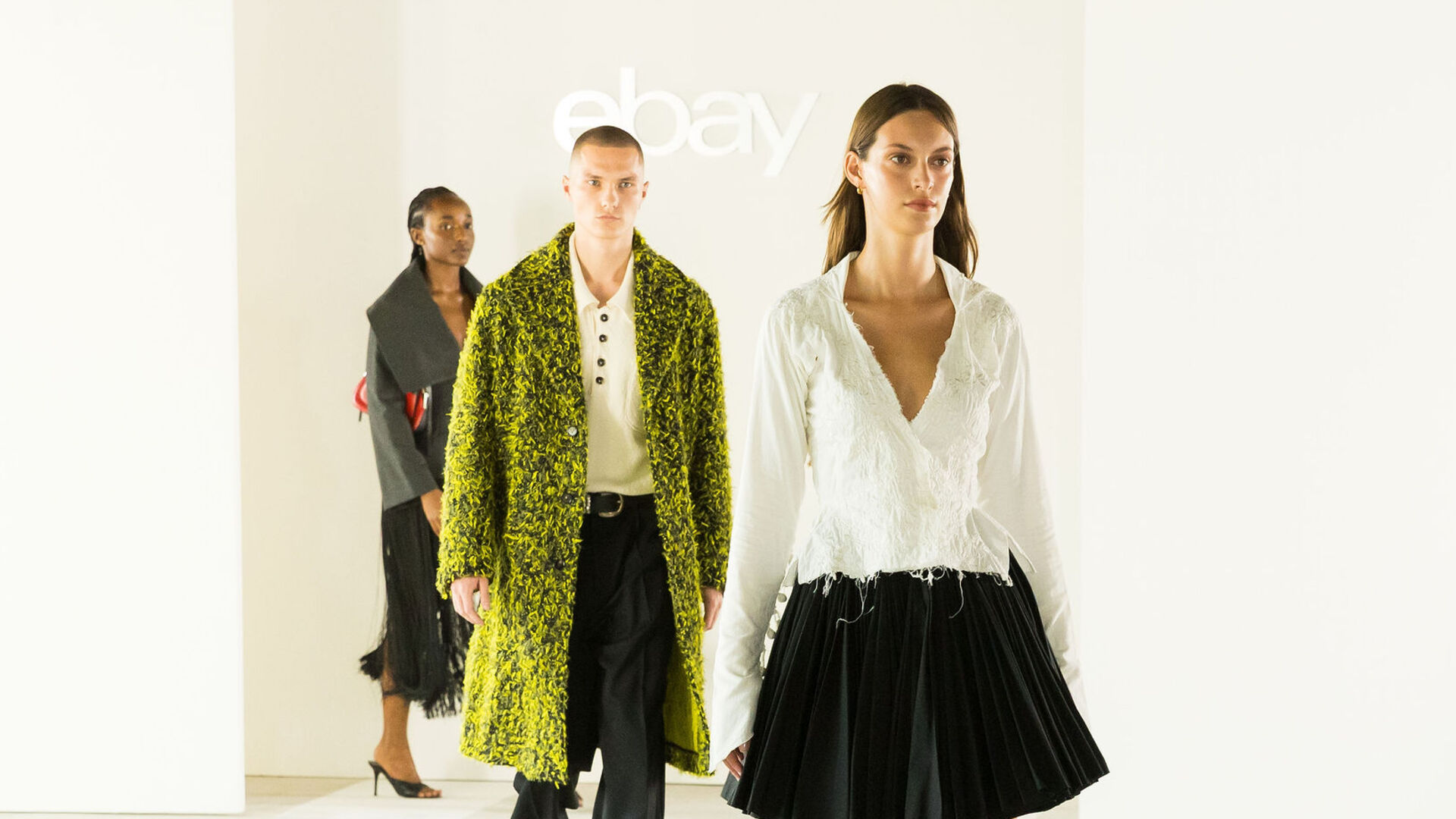
How Retail Giants Are Turning Fashion Week Into a Customer Channel
eBay, H&M and Gap show three ways retailers are using the Fashion Week calendar. Their shopping and membership paths are clear; the payoff for designers is less visible.
Your RetailBoss feed
Create a free account to follow the brands and topics you care about. Your choices are saved and ready whenever you return.
Following is a saved on-site preference. It does not subscribe you to email alerts.Category
Explore retail trends from RETAILBOSS, covering consumer behaviour, cultural shifts and emerging trends in fashion, beauty, ecommerce and shopping.
Browse
Loading topics...
eBay, H&M and Gap show three ways retailers are using the Fashion Week calendar. Their shopping and membership paths are clear; the payoff for designers is less visible.
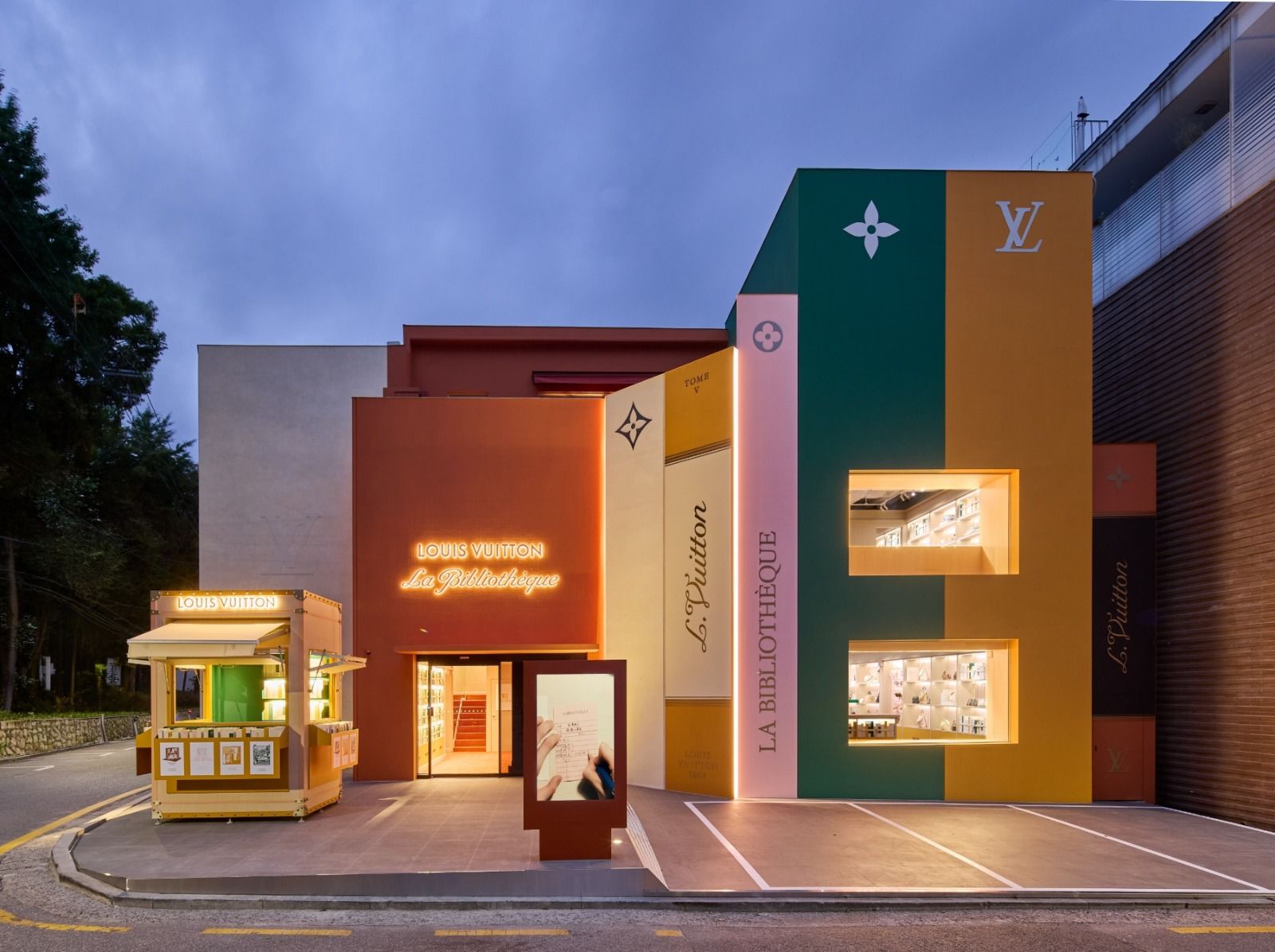
Library desserts, a Seoul–Shanghai chef collaboration, Color Blossom tea and a seasonal restaurant menu show how Louis Vuitton keeps its Seoul hospitality destinations active.
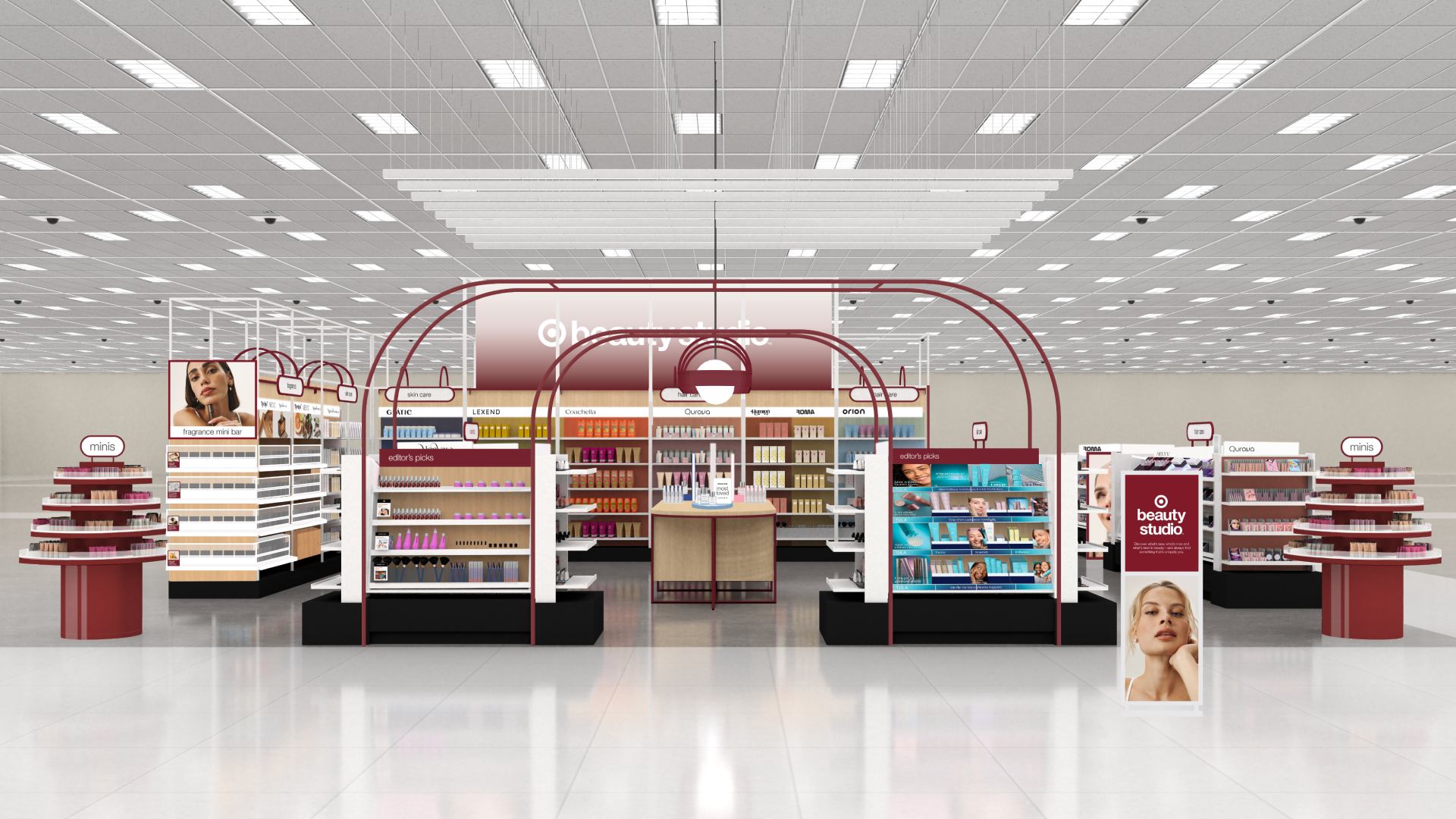
Target Beauty Studio takes the place of Ulta’s shop-in-shop while Target Plus widens the online assortment. What the two routes reveal about beauty retail strategy.
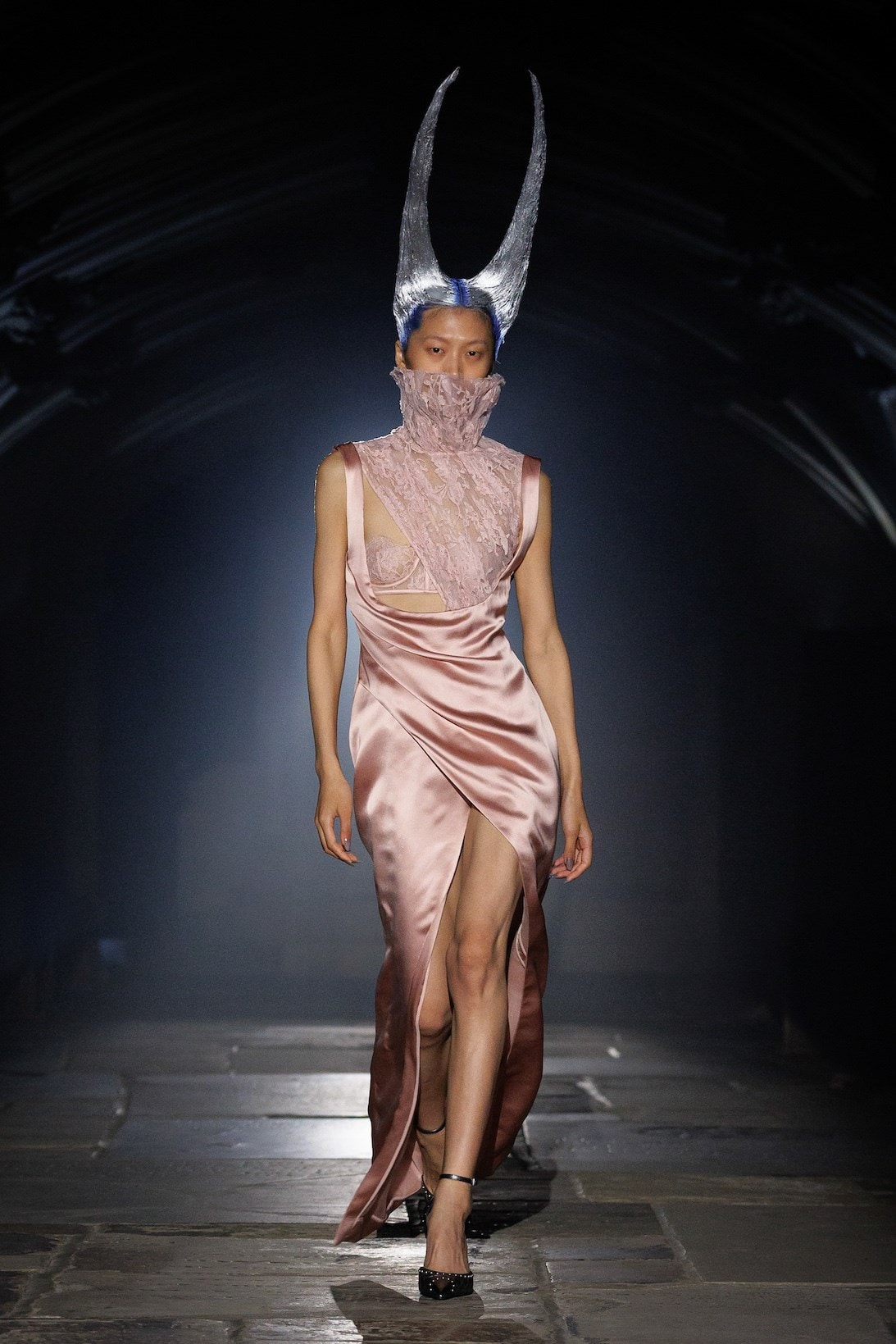
Diane von Furstenberg, Alexander McQueen and Mulberry show how a return to the fashion-week calendar can turn a creative transition into a visible new chapter.
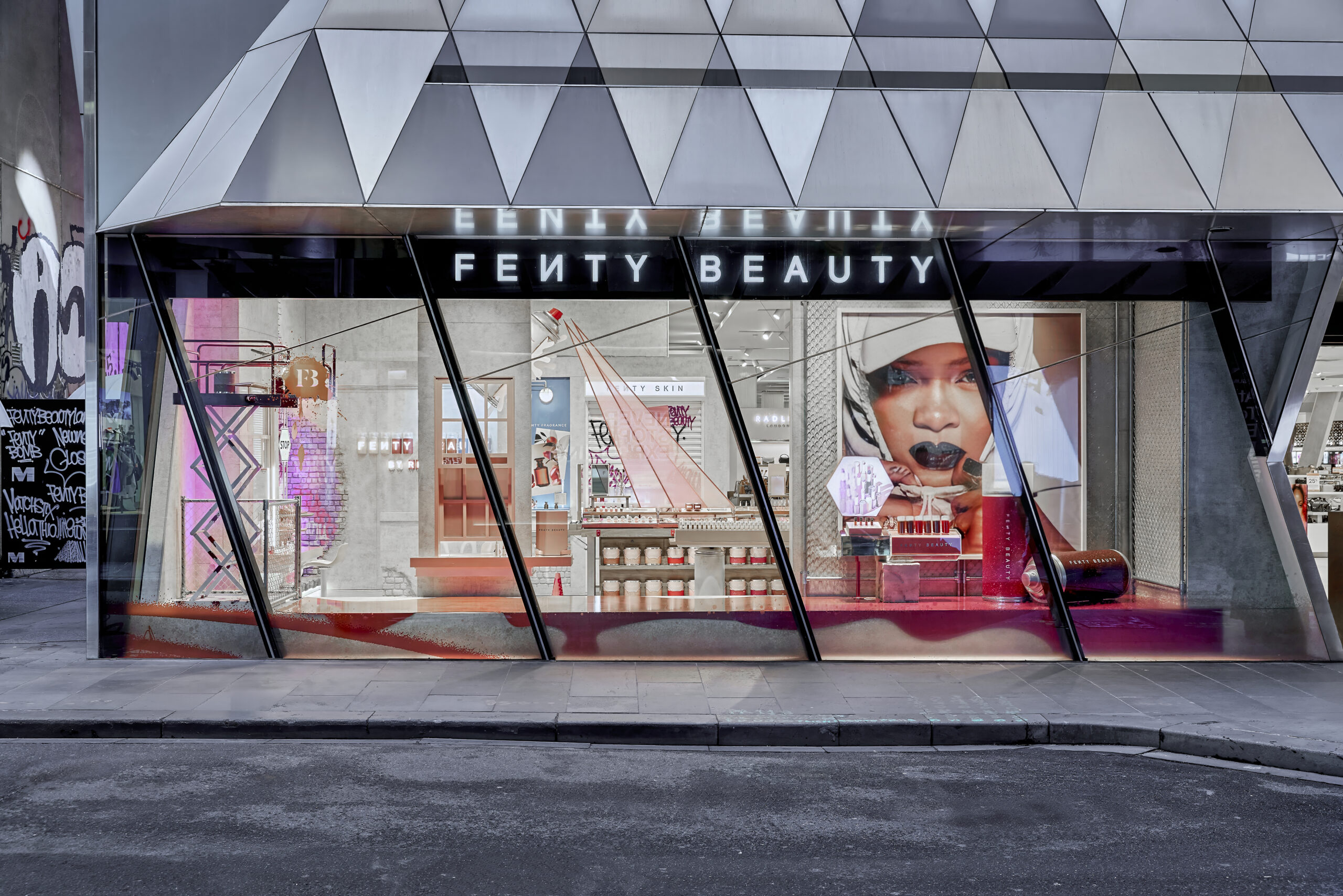
Rhode, Fenty Beauty, KIKO Milano, Aesop and Glossier show how digital-first beauty brands can decide whether physical retail should deliver greater reach or greater control.
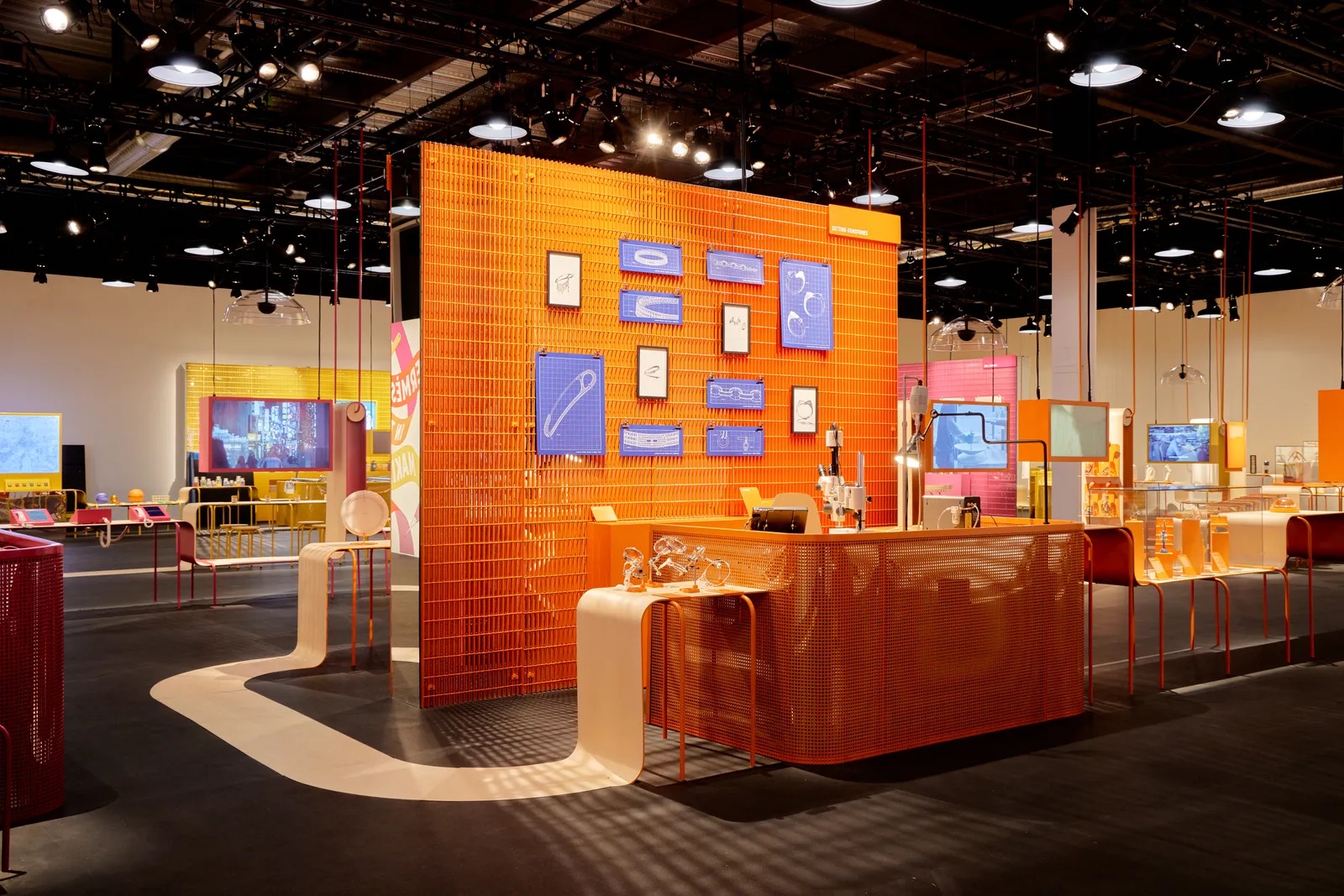
CELINE, Hermès, Gucci and Louis Vuitton show how the work behind a luxury product is becoming a more visible part of the story customers are invited to experience.
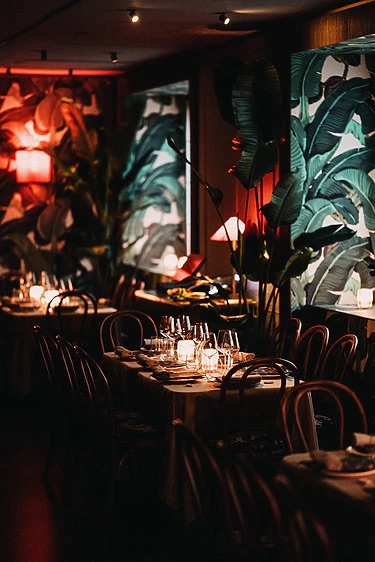
Dior, Armani, Zara and Tory Burch show how hospitality is moving from a launch-night extra to a more deliberate part of the fashion retail experience.
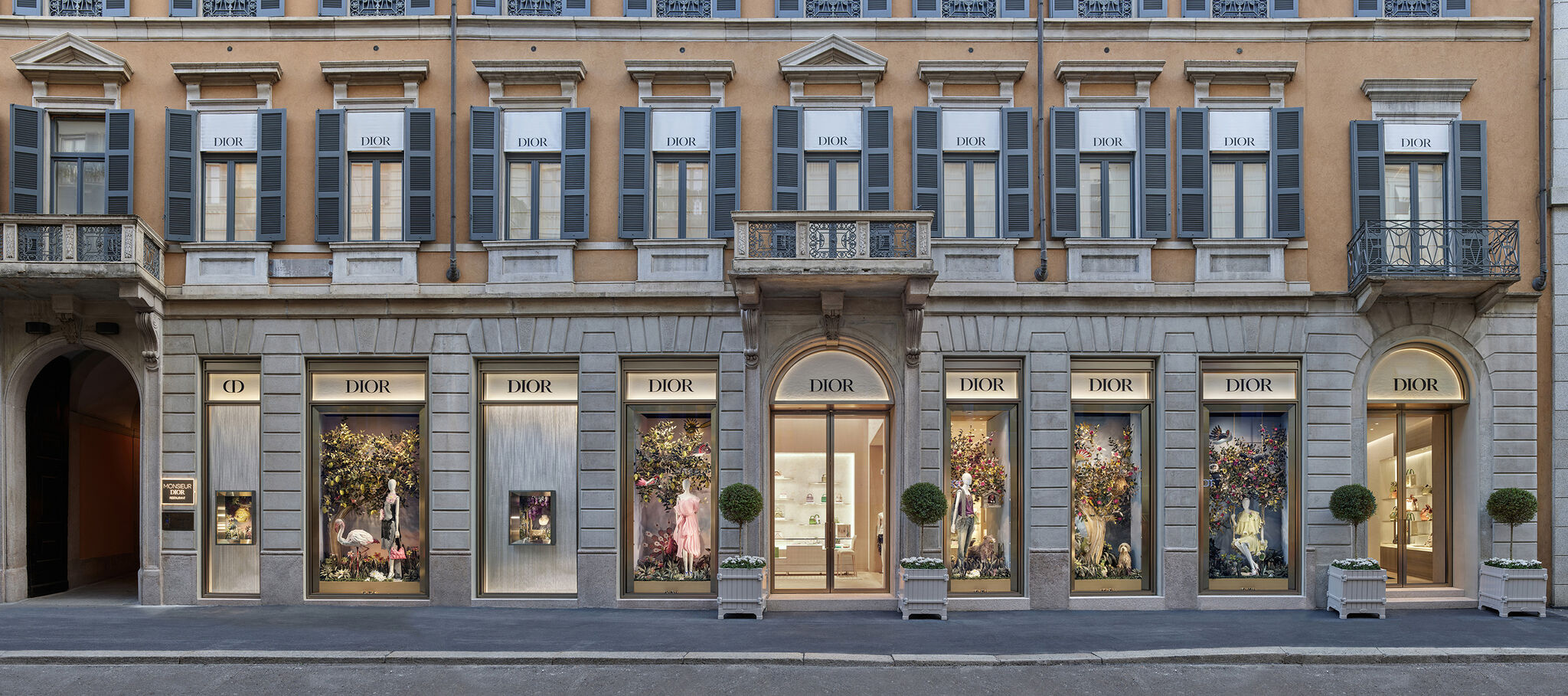
From Dior’s Milan house to Lefties, Popilush and ALO, fashion’s store growth is increasingly built around distinct formats rather than one repeatable flagship model.
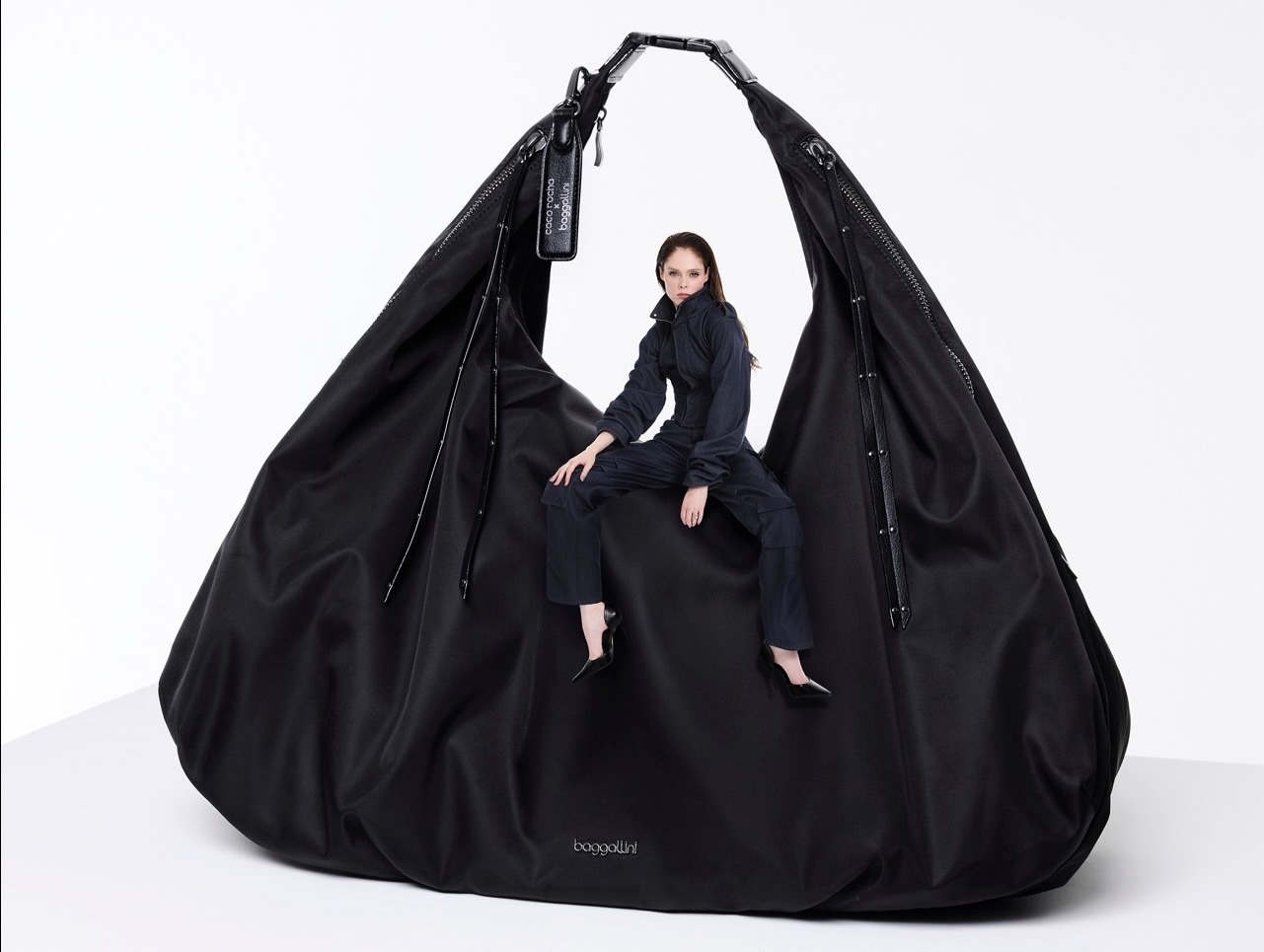
Coach, Baggallini and Church’s show how fashion partnerships are being used to enter culture, reshape positioning and give a campaign a more specific audience.
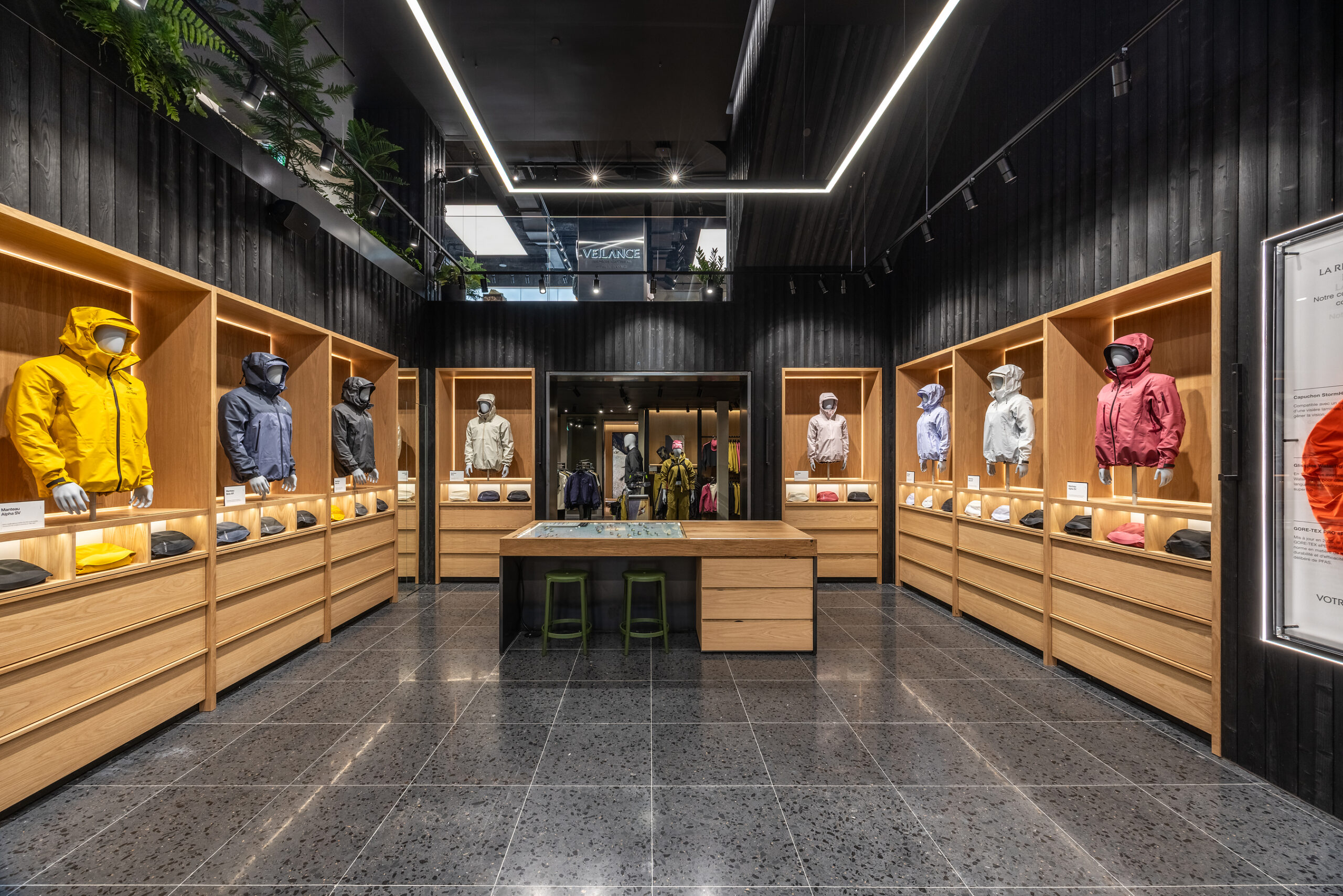
Repair, personalization, resale and consignment are giving fashion stores a reason to stay useful after the original transaction.
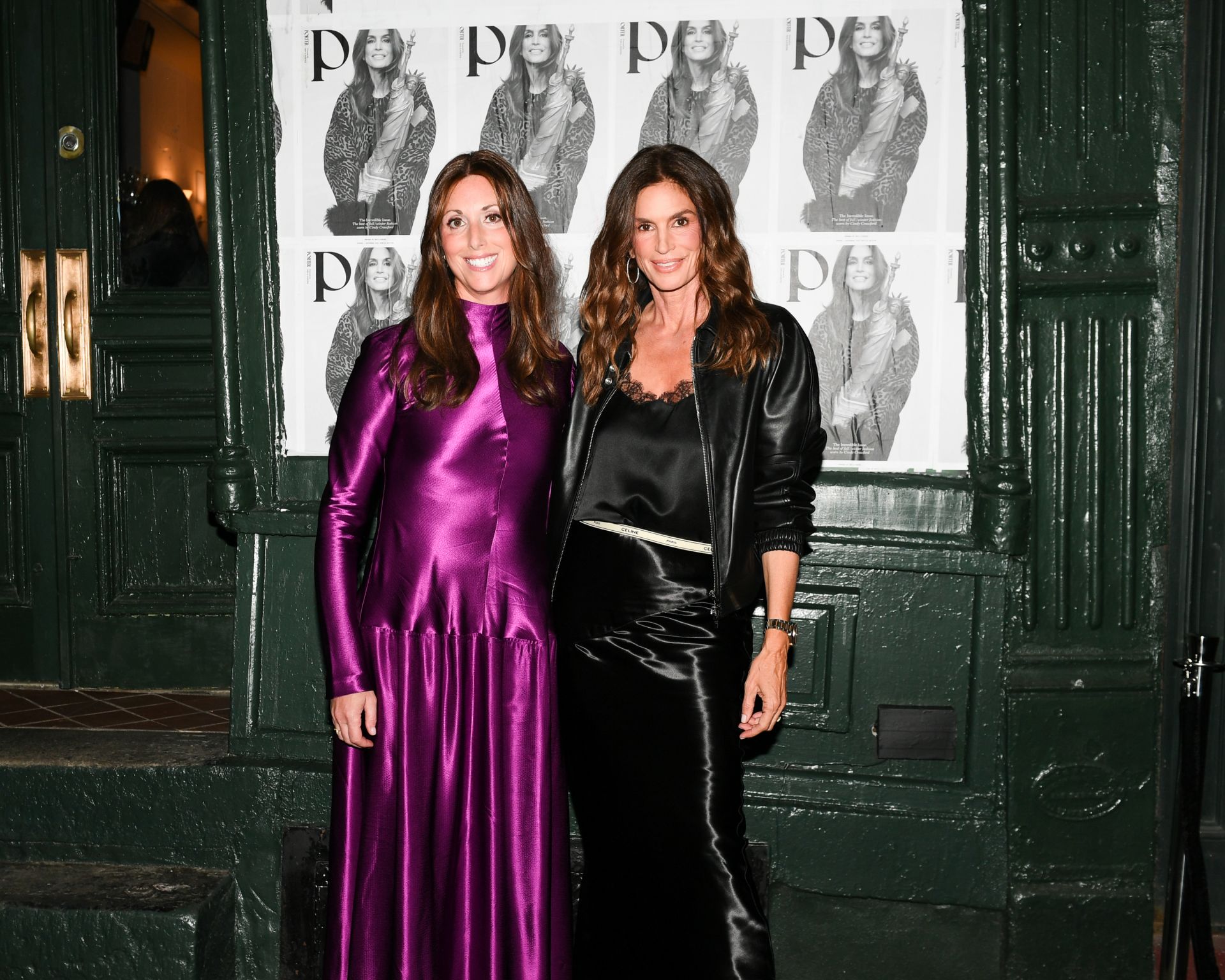
Fashion brands are timing launches around fashion weeks, sporting events and cultural moments when the right audiences are already gathering.