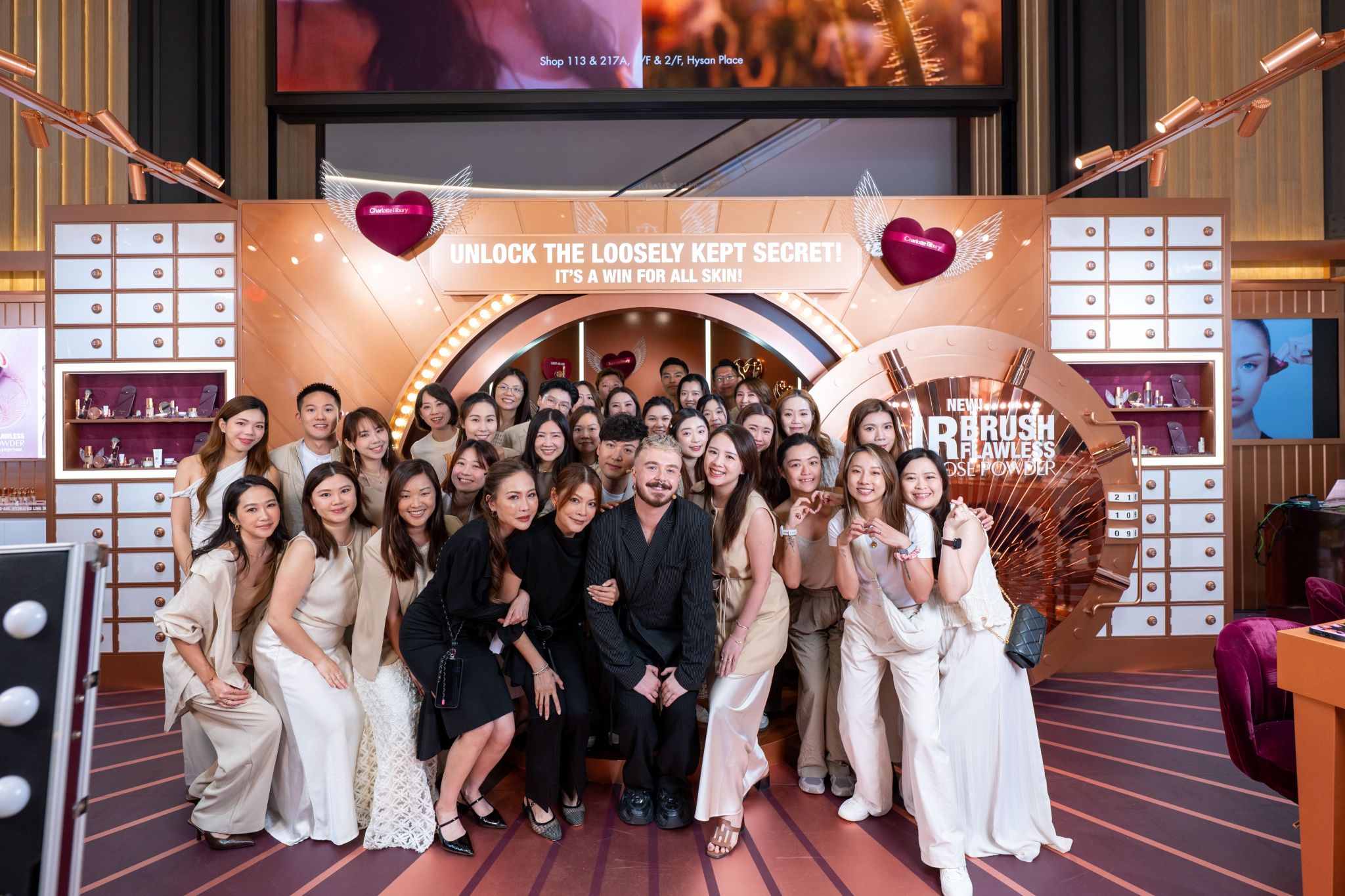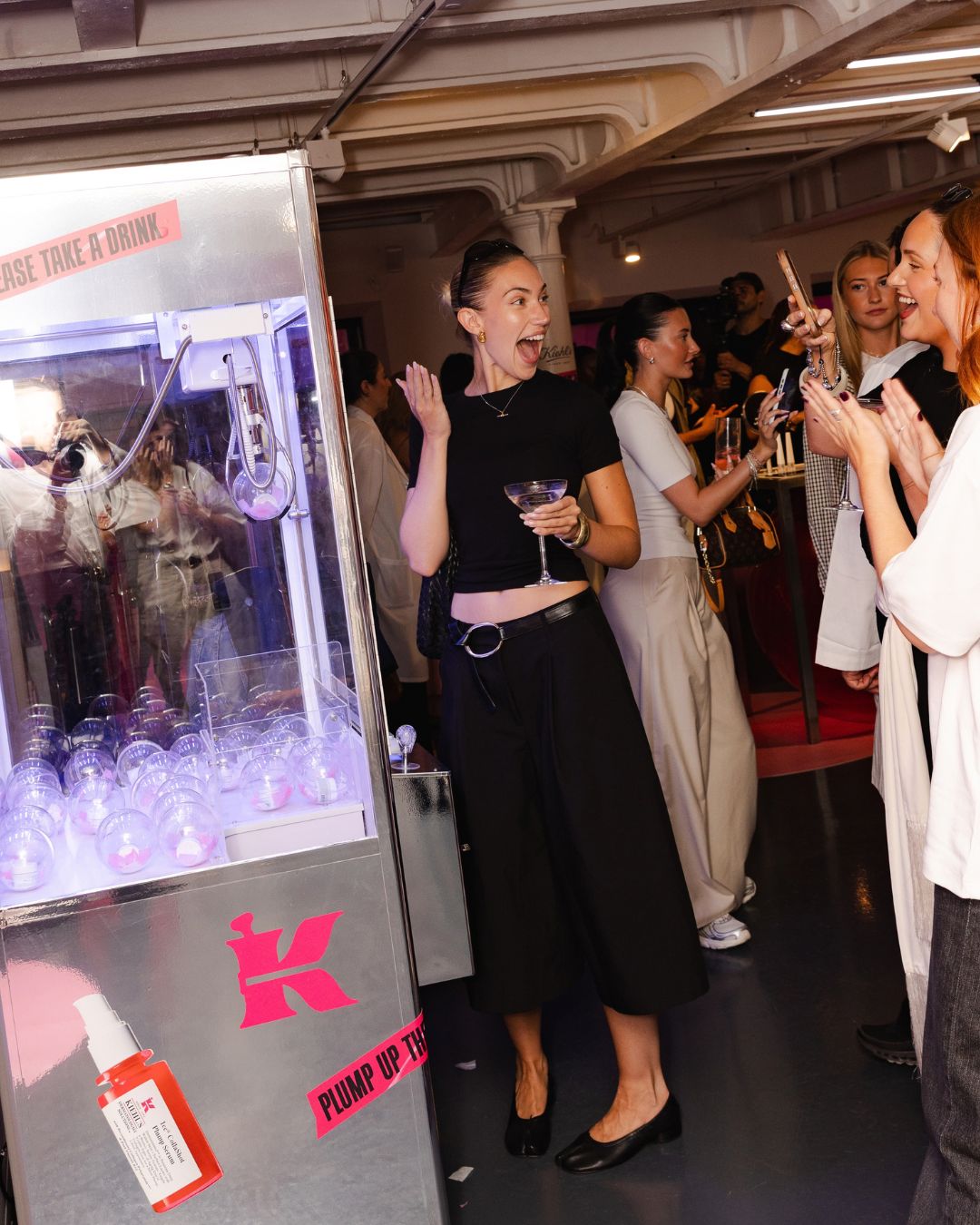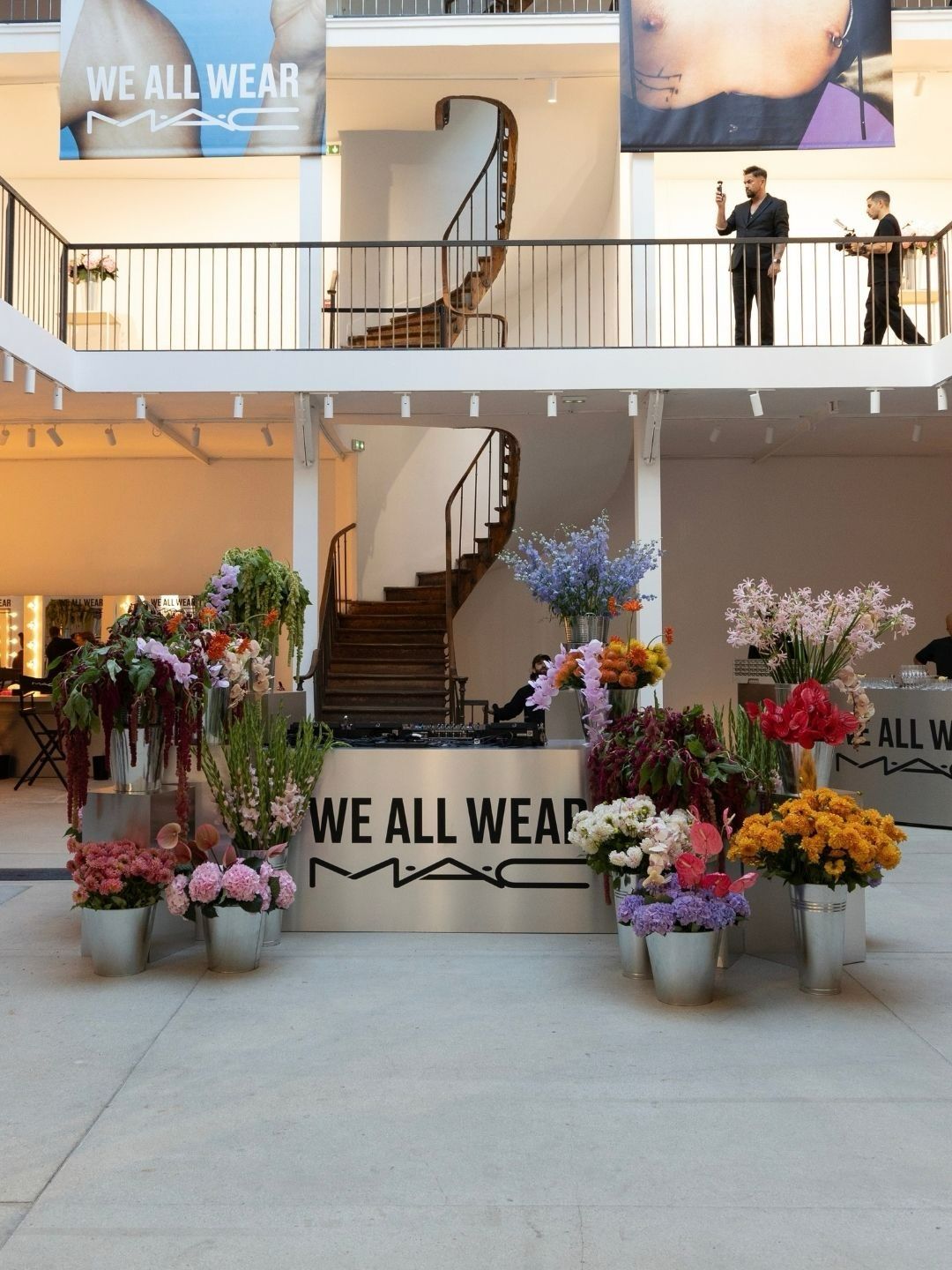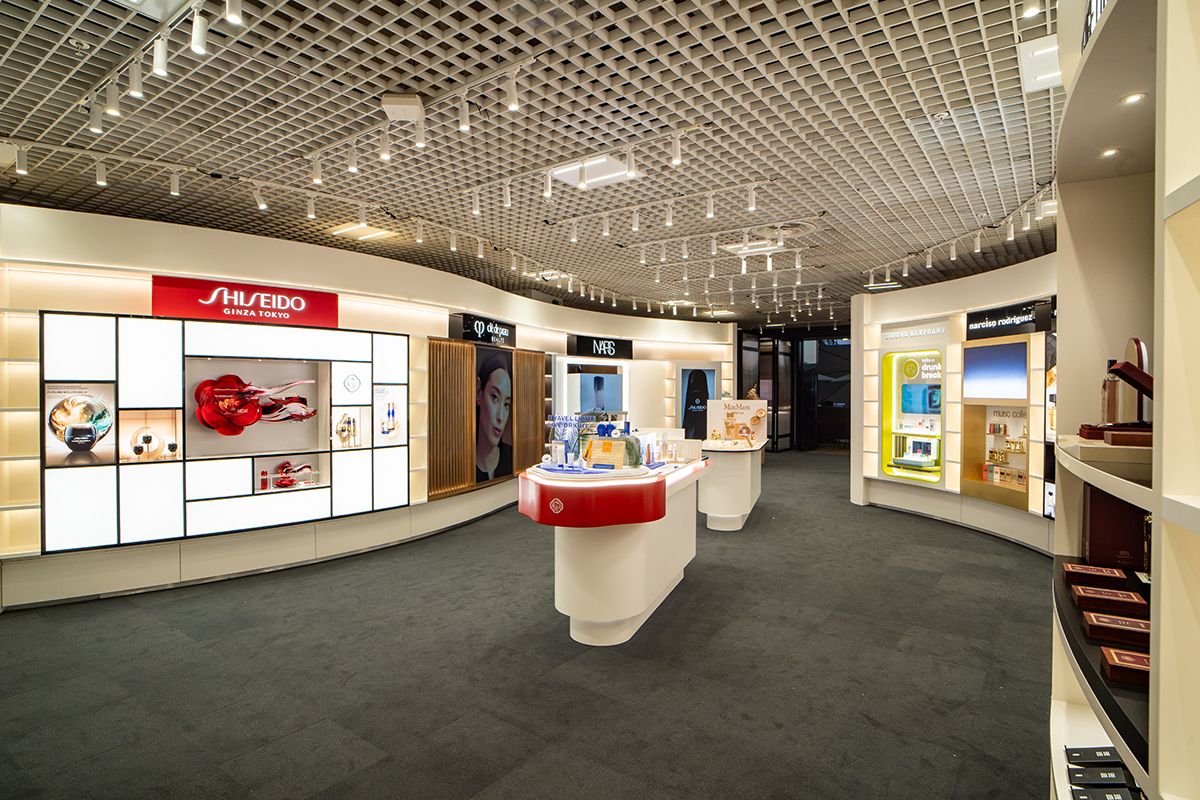





The end of Ulta Beauty at Target could have been treated as a straightforward space-filling exercise: remove one sign, install another, and keep selling prestige products.
Target has made a more interesting choice.
Its new Beauty Studio puts Target’s name on a curated prestige destination in more than 600 stores and online. At the same time, Target Plus is bringing additional beauty and wellness brands to Target.com through a curated third-party marketplace. One move gives Target a more distinctive reason to visit the beauty aisle. The other adds range without asking every product to earn a place on a physical shelf.
The question is not simply why Target and Ulta parted ways. It is what each company decided to build when the shared format ended.
What we know about the split
Target and Ulta announced in August 2025 that they had mutually agreed not to renew their shop-in-shop partnership when its agreement concluded in August 2026. Neither company publicly disclosed the commercial terms or a definitive internal reason for the decision.
Target did, however, give a useful clue to its thinking. On its second-quarter 2025 earnings call, it said its core beauty assortment accounted for more than 95% of its total beauty sales at the time. Management also said changing consumer trends created an opportunity to repurpose the Ulta space.
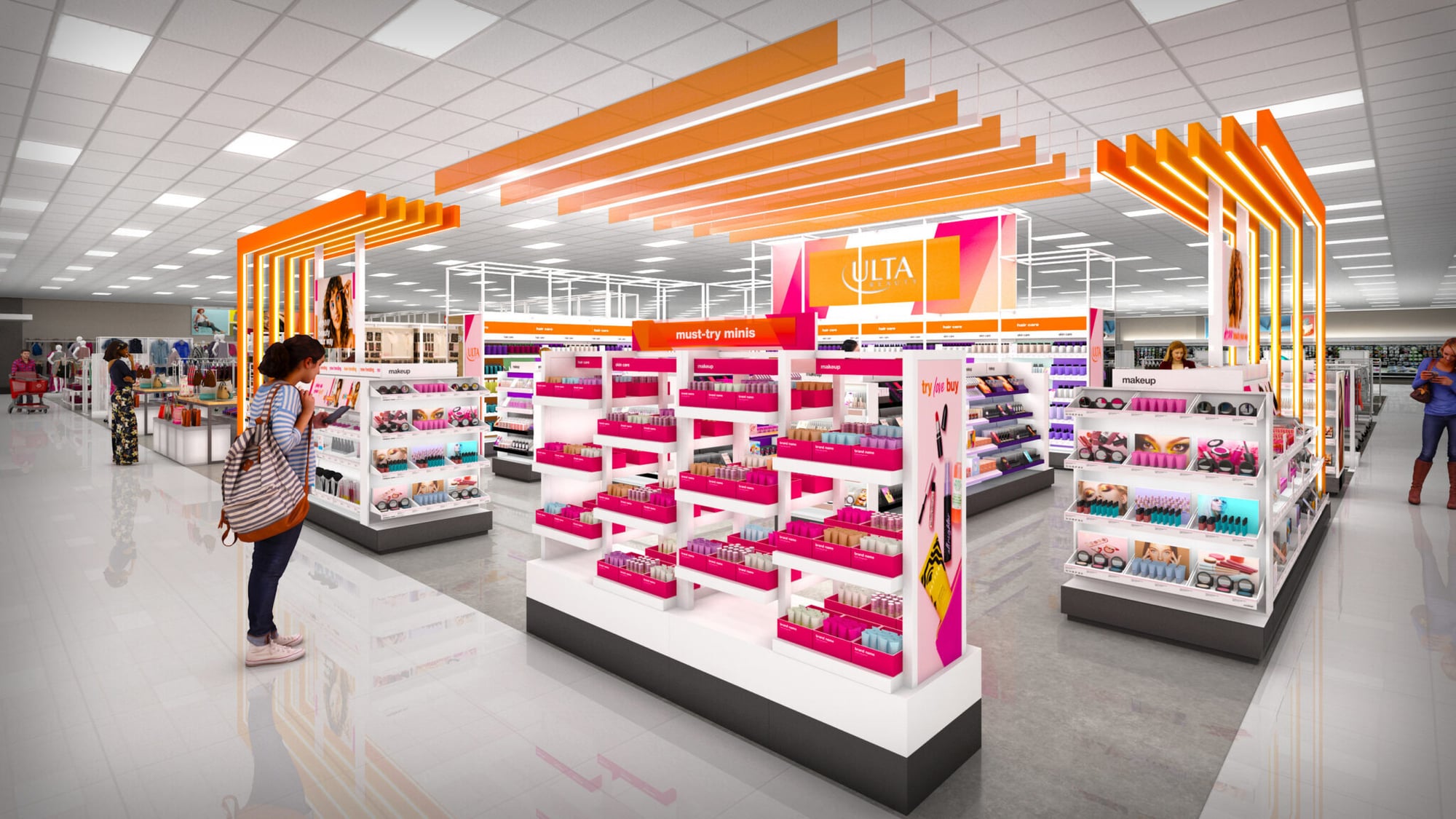
The store is now Target’s beauty stage
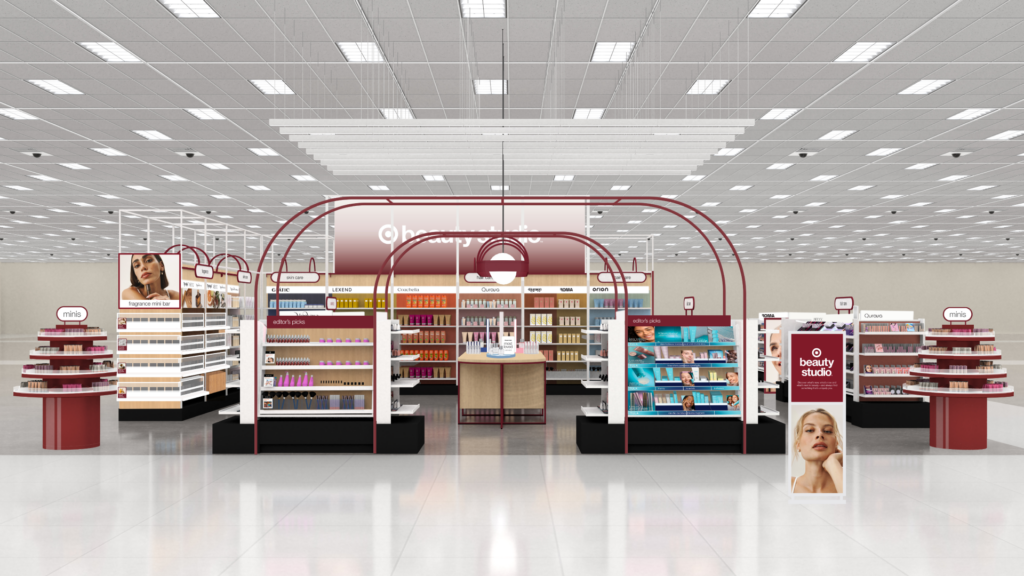
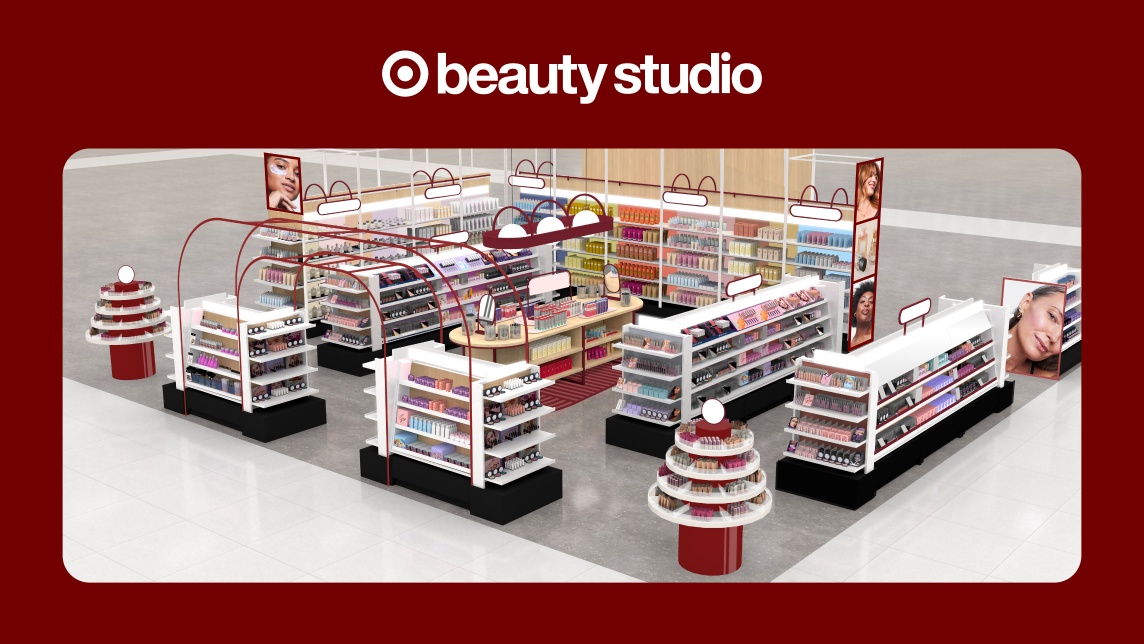
Target Beauty Studio launched September 10, 2026 in more than 600 stores and on Target.com. Target described an opening assortment of more than 1,600 products from 90 prestige, emerging and global brands, most new to the retailer. The format includes dedicated Beauty Advisors, rotating product features and Target Circle offers.
These details matter because they address what a prestige shop-in-shop used to supply: discovery, a sense of expertise and a reason to spend more time in the aisle. Target is now assembling those elements under its own banner. The trade-off is equally real. An Ulta sign brought an established beauty reputation and a linked rewards experience. An owned Studio must earn that trust through its own merchandising, staffing, service and brand mix.
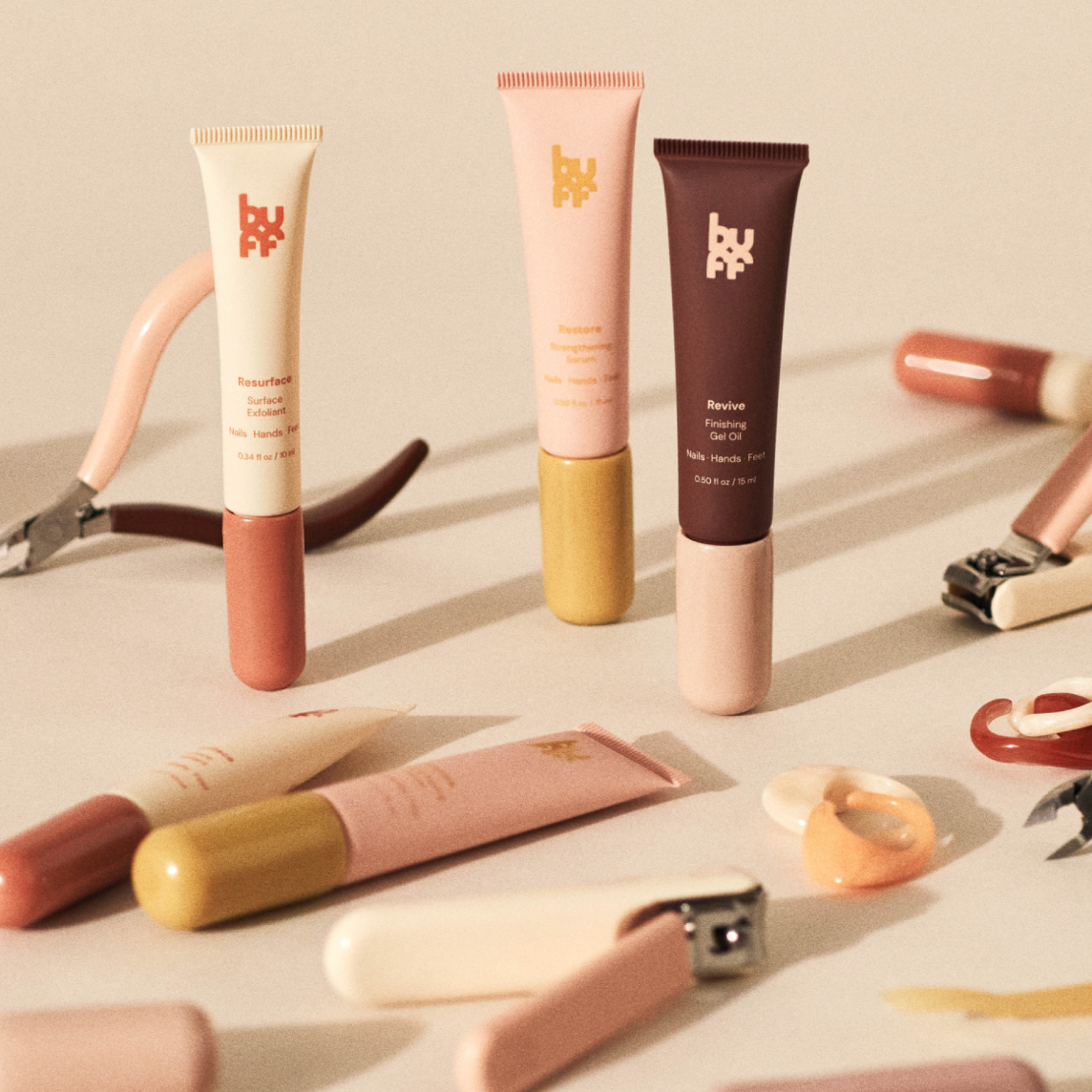
The early assortment gives us a view of how Target wants to do it. Wella’s four-brand placement adds professional hair and scalp care. Buff Beauty entered national retail just two months after its direct-to-consumer launch. Sungboon Editor and Milk Touch add Korean skincare and cosmetics, with Sungboon moving beyond the narrower mask presence it already had at Target. These are different recruitment stories, not simply a replacement list of prestige names.
The commercial interpretation: Target can use the Studio to define what “prestige at Target” means, instead of borrowing another retailer’s identity to explain it. That is an analysis of the new format, not a claim about the companies’ private reasons for ending their agreement.
The marketplace does a different job
The Studio should not be confused with Target Plus. Beauty Studio is an owned, curated in-store and online destination. Target Plus is Target’s selected third-party marketplace on Target.com. Its role is to extend the digital aisle beyond what a store can practically carry.
Target has said that Target Plus let it add hundreds of Korean beauty items quickly as interest grew. Marketplace brands accounted for more than half of its K-beauty assortment online by July 2026, according to the company. That is a useful example of the model: use digital breadth to respond to fast-moving demand, while reserving store space for products that benefit most from physical discovery, advice or immediate pickup.
The distinction matters to brands, too. A marketplace listing can provide access to Target’s audience, but it does not automatically mean a Beauty Studio shelf or an in-store advisor explaining the product. Approved sellers still have to meet the platform’s operating requirements. RETAILBOSS recently reported that Mirakl Connect can simplify catalog and order management for approved Target Plus sellers.
Ulta is building its own extended aisle
Target is not launching beauty marketplace while Ulta stands still. Ulta launched UB Marketplace in October 2025, bringing invited beauty and wellness brands into its website and app with one cart, eligible rewards and in-store returns. By the end of its fiscal 2025 year, Ulta reported more than 200 marketplace brands and 5,000 SKUs.
Ulta’s advantage is specialist beauty authority and a large loyalty base. Target’s is the frequency and convenience of a broad shopping trip. Both are using curation to keep an expanded online assortment recognizable as their own. The difference is where beauty sits in the customer relationship: it is Ulta’s whole business, but one important part of Target’s wider basket.
That comparison offers a more useful reading of the split than assuming one format simply failed. The public moves point to two retailers investing in their own destination, brand standards and customer journey. Whether those strategies outperform the former partnership remains to be seen.
How to choose the right route
For retailers considering a shop-in-shop, an owned category destination or a marketplace, the deciding question is: what job must the new assortment do?
| Route | Best when | The cost of the choice |
|---|---|---|
| Shop-in-shop partner | The partner’s name and expertise would make an unfamiliar category credible quickly. | Some of the relationship and differentiation belong to the partner. |
| Owned studio or destination | The retailer can build a distinctive edit, train staff and support discovery in person. | It must earn authority and carry the operational burden itself. |
| Curated marketplace | Demand shifts faster than floor space or inventory commitments allow. | Selection grows, but service consistency and product quality become harder to manage. |
| Hybrid | A tight physical edit can be supported by broader online choice. | Customers need a clear understanding of what is sold, fulfilled and returnable through each route. |
Target is testing the hybrid at scale: core beauty for the regular trip, Beauty Studio for higher-touch discovery, and Target Plus for additional online choice. Ulta is also pairing its established stores with a marketplace, but from a specialist starting point.
What to watch next
Beauty Studio’s launch numbers show distribution, not demand. Target has replaced a shared beauty identity with an architecture it controls more directly.
The strategy is clear: let the store communicate a point of view and let the marketplace supply range. The outcome will depend on whether shoppers experience those two promises as one coherent Target beauty offer.