On May 19, 2026, PVH promoted Adelyn Cheong to CEO of its Americas region, expanded Calvin Klein CMO Jonathan Bottomley into a group brand-strategy role, and created a brand-new President of Global Licensing, Partnerships and Expansion, hiring BCG partner Joel Samaha. PVH closed fiscal 2025 at $8.95 billion, up 3%. The new licensing seat is the move worth watching.
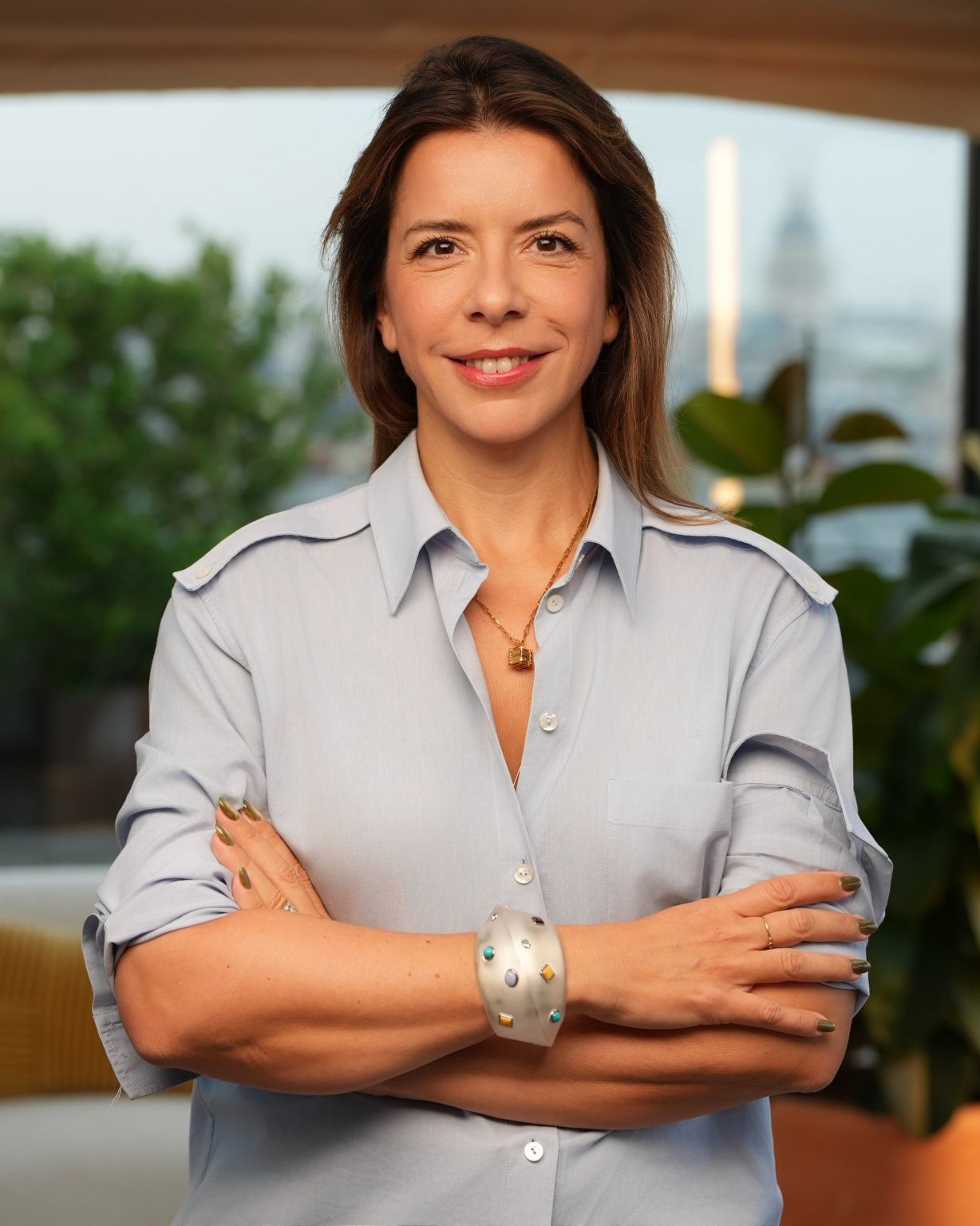
On May 19, 2026, PVH Corp. (NYSE: PVH), the parent of Calvin Klein and Tommy Hilfiger, announced three appointments to its Executive Leadership Team, two of them internal promotions. Adelyn Cheong was promoted to CEO of PVH Americas, overseeing Calvin Klein and Tommy Hilfiger in the region. Jonathan Bottomley, Calvin Klein’s Global Chief Marketing Officer, expands his remit to also become EVP, Group Consumer and Brand Strategy for the whole company. And in a newly created role, Joel Samaha joins as President, Global Licensing, Partnerships and Expansion. All three report to CEO Stefan Larsson.
Three moves in a single press release can look like routine housekeeping. They are not. Read together, they tell you exactly where PVH is placing its chips after a year of modest top-line recovery: deepen the consumer and brand-strategy muscle, refocus the Americas, and, most tellingly, build a senior, standalone licensing and partnerships function from scratch. The last of those is the one a retail strategist should circle, because it mirrors a structural shift happening across the industry.
Who moved where, at a glance
| Executive | New role | Type | Reports to |
| Adelyn Cheong | CEO, PVH Americas (Calvin Klein and Tommy Hilfiger) | Internal promotion; effective late summer | Stefan Larsson |
| Jonathan Bottomley | EVP, Group Consumer & Brand Strategy (retains Calvin Klein Global CMO) | Internal promotion; effective immediately | Stefan Larsson (CMO line to David Savman) |
| Joel Samaha | President, Global Licensing, Partnerships and Expansion | External hire from BCG; joins July 6 | Stefan Larsson |
| Ying Wu | President, PVH China (adds to EVP/CFO, PVH APAC) | Internal expansion | — |
Source: PVH Corp. press release and businesswire announcement (May 19, 2026); Investing.com coverage. Compiled by author.
The brands PVH actually owns now
To read the appointments, start with the portfolio, because PVH is a far more focused company than it was three years ago. The PVH+ Plan, the strategic roadmap CEO Stefan Larsson has run since 2021, has transitioned the company to focus 100% on Calvin Klein and Tommy Hilfiger. The old Heritage Brands portfolio has been largely divested, including the women’s intimates business. What remains are two of the most recognised brands in global apparel, plus the licensing and partnership apparatus that extends them into categories PVH does not manufacture itself.
The financial backdrop matters here. PVH closed fiscal 2025 (ended February 1, 2026) with revenue up 3% to $8.95 billion, with full-year Calvin Klein up 3% and Tommy Hilfiger up 4%. The fourth quarter was strong, with revenue of $2.505 billion, up 6%. But net income collapsed roughly 95% to $25.3 million, weighed down by impairments and tariff costs. For 2026, PVH guided to slight revenue growth and a stable operating margin of about 8.8% on a non-GAAP basis, absorbing an estimated 215 basis points of gross tariff impact. In other words: the brands are resonating, but the model needs new, higher-margin growth engines. That is the context for the licensing hire.
Why a President of Licensing is the real story
The headline-grabbing move is the regional CEO promotion. The strategically interesting move is the creation of a President, Global Licensing, Partnerships and Expansion. PVH did not have this seat before. It built it, and it filled it with an outsider: Joel Samaha, who joins on July 6 from Boston Consulting Group, where he is a partner in the global consumer and fashion practice. His mandate spans category and market licenses, joint ventures, strategic partnerships, and the company’s global real estate and expansion strategy.
This is the same structural bet RetailBoss readers have seen elsewhere in the industry: elevating the non-owned business to the C-suite as a deliberate growth engine. PVH’s own framing is explicit, with Larsson citing Samaha’s deep licensing and partnership expertise to strengthen the growth of the company’s non-owned businesses. Licensing is attractive precisely because it is capital-light and high-margin: PVH lends the Calvin Klein or Tommy Hilfiger name to categories such as eyewear, fragrance, watches and home, collects a royalty, and carries little inventory risk. In a year where net income was gutted by tariffs and impairments, a President-level push into royalty-bearing partnerships is a direct answer to the margin problem. It is the apparel-industry equivalent of the move Gap made when it created a Chief Entertainment Officer: pulling a growth function out of the marketing department and giving it its own seat and its own P&L logic.
The Americas reset and the Gen Z bet
Adelyn Cheong’s promotion to CEO, PVH Americas is the regional half of the story. She joined PVH in 2018 to lead Tommy Hilfiger in Asia Pacific and was appointed President of PVH China in 2021, so her elevation moves a proven APAC operator into the group’s most important developed market. She succeeds Donald Kohler, whose last day is June 30 and who is leaving to be closer to family. Kohler previously also held responsibility for global licensing, which has now been folded into Samaha’s newly created role. Ying Wu succeeds Cheong as President, PVH China, alongside her CFO role for PVH APAC. The reshuffle reads as PVH applying its Asia growth playbook to the Americas at a moment when North America has been the steadier of its two core regions.
Jonathan Bottomley’s expanded role rounds out the logic. By making Calvin Klein’s CMO also the group’s EVP, Group Consumer and Brand Strategy, PVH is centralising the consumer insight and brand-building discipline that the PVH+ Plan attributes its recovery to: a ‘100% iconic and 100% current’ strategy targeting high-value Gen Z and younger millennial consumers. Bottomley brings more than 25 years of experience building global brands — prior to Calvin Klein he was Global CMO at Ralph Lauren, CMO at Boll and Branch, and Chief Strategy Officer at BBH. He has been instrumental in raising Calvin Klein’s relevance with next-generation consumers since 2022 through high-visibility ambassador campaigns, and the company is now betting that engine can be systematised across both brands and every region. Bottomley keeps his Calvin Klein CMO reporting line to Global Brand President David Savman while taking on the group remit.
Where this leaves PVH, and what to watch
First, the licensing line specifically. Samaha does not start until July 6, so the first real evidence will come in the back half of 2026: new category licenses, joint ventures, or market-entry partnerships under the Calvin Klein and Tommy Hilfiger names. If PVH is serious about non-owned growth as a margin engine, expect deal announcements, not just an org chart. This is the single most trackable consequence of the May 19 moves.
Second, the near-term numbers. PVH reports first-quarter 2026 results on June 3, 2026, with a call on June 4, hosted by Larsson and Interim CFO Melissa Stone. Two things to watch: whether the guided ~8.8% operating margin holds against the 215 basis points of tariff drag, and any commentary on how the new leadership structure feeds the PVH+ Plan. The interim-CFO status is itself worth noting; a permanent appointment would be another signal.
Third, the broader transformation thesis. PVH has also signalled ambitions beyond apparel mechanics, including a recently announced collaboration with OpenAI to bring AI into its global operations. Combined with the licensing push and the Gen Z brand strategy, the throughline is a company trying to convert two strong brands into a higher-margin, more diversified, partnership-led business. Whether that works shows up not in the appointments themselves but in the 2026 margin line and the licensing deal flow that follows.
The takeaway is simple. When a company creates a new C-suite seat, that is where it expects its next growth to come from. PVH just created one for licensing and partnerships.