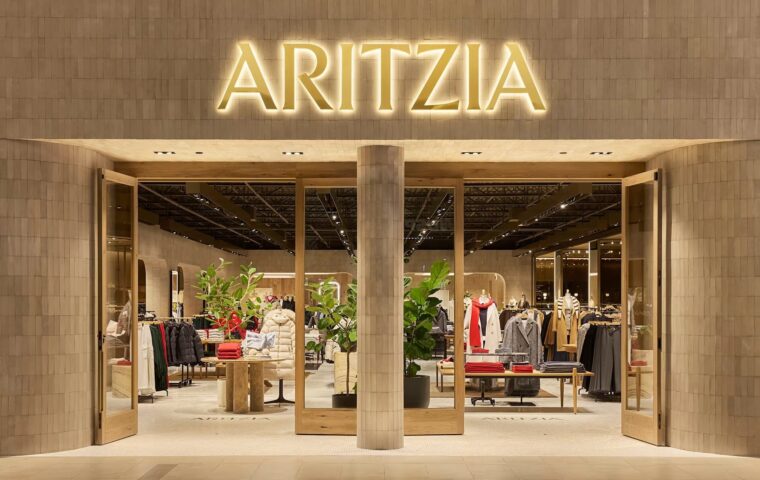

Wholesale and retail are two fundamental business models that companies use to bring products to market. The key difference, wholesale is the practice of selling goods in large volumes at a reduced price to other businesses, a process steeped in the business-to-business (B2B) tradition.
Retail, by contrast, is the art of merchandising products one by one at elevated prices directly to the consumer, embodying the business-to-consumer (B2C) or direct-to-consumer ethos. Both models are crucial within the supply chain and influence various aspects of business strategy, including pricing, marketing, and distribution channels.
A company’s decision to adopt a wholesale or retail approach will profoundly affect its operational structure, market engagement, and the nature of customer relationships it aims to foster. Understanding these differences is pivotal for businesses to tailor their strategies effectively, align with their brand vision, and expand their market presence.
Importance of Knowing the Difference
There are several reasons…
why it is so vital for businesses to understand the distinction between wholesale and retail: It affects pricing structures and margins Impacts brand positioning and marketing strategy Influences supply chain and partnerships Shapes customer experience and relationships Determines sales processes and fulfillment Exploring Retail Definition and Characteristics of Retail Retail refers to the process of selling products, goods, or services directly to end-user consumers to satisfy their wants or needs.
Retailers buy products wholesale from manufacturers or distributors and then sell those products individually to customers at a markup.
For instance, a local grocery store that purchases fruits and vegetables from farmers or distributors and then sells them piece by piece or in small bundles to individuals shopping for their households is engaging in retail.
Selling to Consumers at Retail Prices The defining aspect of retail is that it focuses on selling products individually to consumers, rather than in bulk quantities to other businesses. Retail prices reflect various markup rates that allow the retailer to cover overhead expenses and make a profit. The hallmark of retail is the…
Discussion
0 Comments
No comments yet
Start the conversation
Share your take on this story and help shape the discussion.
Sign in to join the discussion.