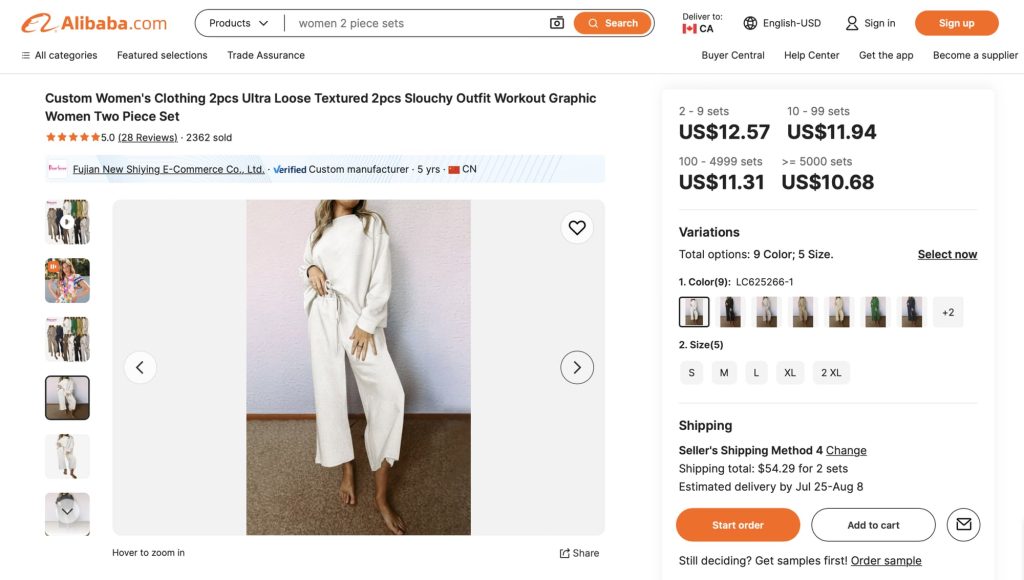
Step-by-Step Guide to Ordering on Alibaba 1. Create and Verify an Alibaba Account Begin by creating an Alibaba account. Verify your account, as this enhances credibility and provides access to more features on the platform. 2. Search for Products and Suppliers Utilize Alibaba’s search tools to find the products you need.
You can search by specific product keywords or by supplier if you’re looking for reputable manufacturers. Use filters for Verified Suppliers and those offering Trade Assurance to mitigate risks. 3. Contact Suppliers Reach out to potential suppliers.
Communicate clearly regarding your requirements, including minimum order quantities (MOQ), product specifications, and delivery timelines. This step is vital in ensuring supplier reliability and understanding their capabilities. 4. Negotiate Terms and Prices Engage in negotiations to settle on a favorable price and MOQ.
Confirm that there are no hidden charges that might spring up later. This is also the stage to inquire about payment terms – some suppliers may allow staged payments, which can be beneficial. 5. Request Samples Before committing to a bulk order, request product samples. This is essential for assessing…